
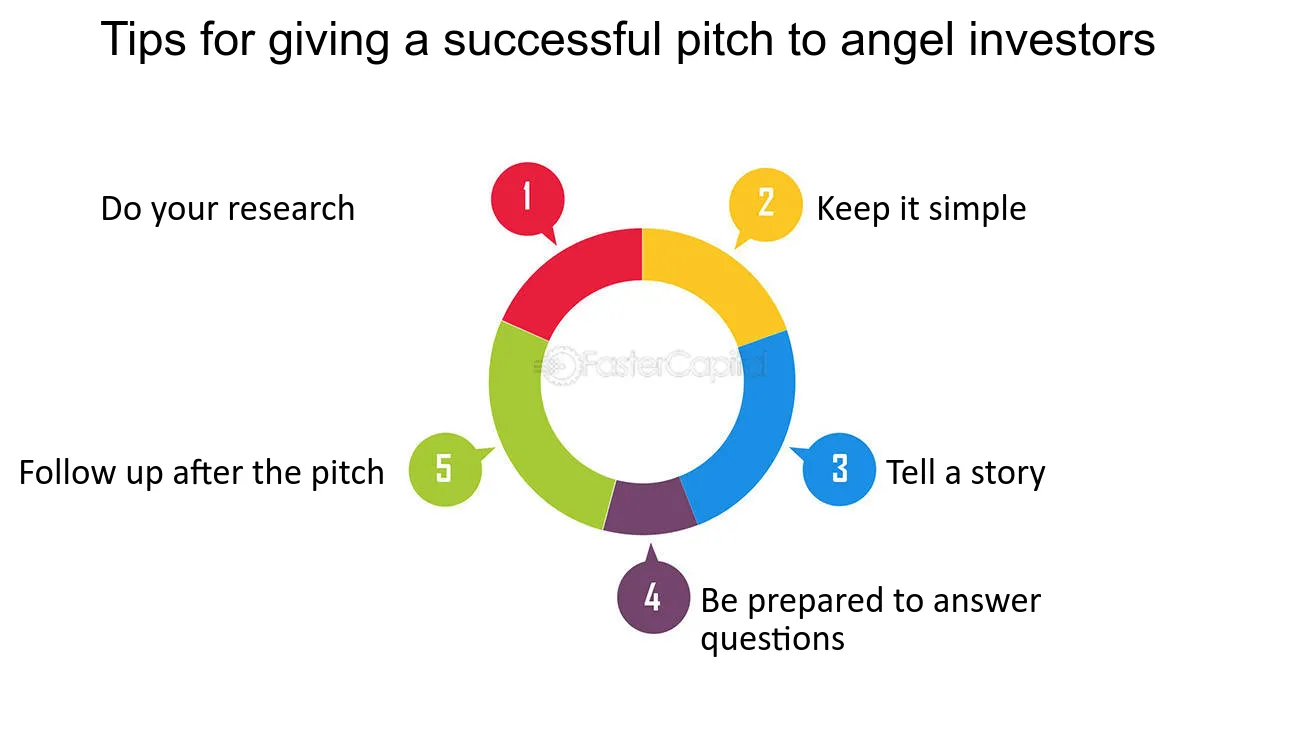
In the fast-paced world of startups, Software as a Service (SaaS) businesses are gaining remarkable traction. With the increasing demand for innovative solutions to everyday problems, more entrepreneurs are looking to angel investors to finance their ventures. However, crafting a successful pitch can often feel daunting. This article will unveil the top tips for pitching your SaaS business plans to angel investors. By the end, you’ll have actionable strategies that can elevate your pitch, making it clear, captivating, and compelling.
Understanding the Landscape
What is SaaS, and Why Do Investors Love It?
Before diving into the art of pitching, it’s essential to understand what SaaS is. Software as a Service refers to software solutions that are hosted on the cloud and accessed via the internet. Examples include online CRM systems, project management tools, and e-commerce platforms.
Investors are attracted to SaaS businesses for several reasons:
-
Recurring Revenue Model: SaaS companies usually operate on a subscription basis, providing a steady stream of income.
-
Scalability: Once the software is developed, scaling to accommodate more users is often seamless and cost-effective.
-
Global Reach: With the internet as their delivery mechanism, SaaS businesses can target global markets without the need for physical presence.
Understanding the reasons behind the investors’ enthusiasm for SaaS is integral to an effective pitch.
Preparation: The Foundation of a Successful Pitch
1. Research Your Investors
Not all investors are created equal. Some may focus on tech startups, while others prefer established companies with proven track records. Before you even begin crafting your pitch, research the angel investors you wish to approach:
- Look into their backgrounds, including previous investments and areas of interest.
- Understand their values and what they prioritize in a startup, such as innovation, potential market size, or social impact.
2. Know Your Market
Demonstrating knowledge about your industry can set you apart from other entrepreneurs. Conduct thorough research to understand:
- Market size
- Growth potential
- Key competitive players
- Trends impacting your industry
3. Create a Strong Business Plan
A well-prepared business plan is crucial. Ensure that it covers essential aspects such as:
- Vision and mission
- Product description
- Value proposition
- Target customer segments
- Marketing and sales strategies
- Financial projections
This document will serve as the backbone of your pitch.
Crafting Your Pitch: What to Include
4. Start with a Compelling Story
Every successful pitch begins with a story. This can be your personal journey that led you to develop your SaaS product, a customer testimonial, or even a compelling anecdote about industry challenges. A captivating story can engage your audience emotionally, making them more inclined to listen to the rest of your pitch.
5. Clearly Define Your Unique Selling Proposition (USP)
What makes your SaaS solution different from the countless others on the market? Clearly articulate your Unique Selling Proposition:
- Highlight specific features that solve problems.
- Explain how your solution is better than existing alternatives.
Investors want to know why your product stands out, so be crystal clear.
6. Dive into Product Demonstration
Nothing sells like a tangible demonstration. If possible, prepare a live demo of your software showing raw functionality:
- Walk through the user experience.
- Highlight key features while demonstrating ease of use.
Real-life showcases can persuade investors far better than theoretical discussions.
7. Outline Your Business Model
A concise explanation of how your business will generate revenue is crucial. Consider including:
- Pricing strategy—subscription tiers, freemium models, etc.
- Customer acquisition cost (CAC) and customer lifetime value (CLTV).
- Distribution channels and partnerships.
Clear financial statistics lend credibility to your business model and help investors understand how their money will work for them.

- Overcome negative thought patterns, reduce stress, and live a worry-free life
- Overthinking is the biggest cause of unhappiness
- Don't get stuck in a never-ending thought loop
- Stay present and keep your mind off things that don't matter, and never will
- Break free of your self-imposed mental prison
8. Present Your Go-to-Market Strategy
Your SaaS product might be innovative, but without a solid strategy to capture market share, it will struggle to succeed. Discuss your marketing efforts, sales tactics, and customer onboarding process:
- What platforms will you use for marketing?
- How will you convert leads into paying customers?
- What customer support strategies are in place to retain customers?
Providing a clear roadmap bolsters investor confidence in your capability to execute.
The Financials: Quantifying Your Venture
9. Be Transparent with Financial Projections
When it comes to numbers, honesty is key. Outline your financial projections for the next three to five years, including:
- Forecasted revenue and profits
- Operational costs
- Break-even analysis
Investors want to see realistic projections that demonstrate a deep understanding of your market. Explain the rationale behind your numbers to build trust.
10. Highlight Your Team’s Expertise
Investors often invest in people as much as in ideas. Showcase the competencies of your team, emphasizing:
- Relevant experience in the SaaS industry
- Complementary skill sets, whether in technology, marketing, or finance
A strong team gives investors confidence that you have the capability to navigate the ups and downs of building a business.
Presentation Techniques
11. Practice Makes Perfect
Honing your pitch through repeated practice can significantly improve your delivery. Tailor your presentation to your audience and focus on:
- Timing—keeping it concise (generally 10-20 minutes).
- Voice modulation, eye contact, and enthusiasm.
Use friends or mentors for practice sessions where you can receive constructive feedback.
12. Prepare for Questions
Expect investors to engage you with questions. Useful preparations might include:
- Anticipating potential challenges and providing solutions.
- Clarifying technical aspects of your product.
Being able to confidently answer questions helps demonstrate your expertise and preparedness.
13. Use Visual Aids Wisely
Visual elements can enhance your presentation but should never distract. Use slides to:
- Support key points with concise bullet points.
- Display visuals of your product or market trends.
Ensure that your visuals are professional and easy to understand to keep the focus on your verbal pitch.
Conclusion: Sealing the Deal
14. Follow-Up
After the pitch, always send a follow-up email thanking your audience for their time. Provide any additional information they may have requested, reinforcing your commitment.
15. Cultivate Relationships
Even if the pitch doesn’t result in immediate funding, maintaining open lines of communication can yield dividends in the future. Build a nurturing relationship with potential investors through regular updates on your company’s progress.
Final Thoughts
Pitching to angel investors can be a game-changer for your SaaS business. By following these top tips—from understanding your investors to delivering a compelling story—you’ll maximize your chances of securing the support you need. Remember, preparation, clarity, and authenticity are keys to a successful pitch. With these tools in your belt, you’re bound to make a lasting impression on investors. Good luck on your entrepreneurial journey!


