
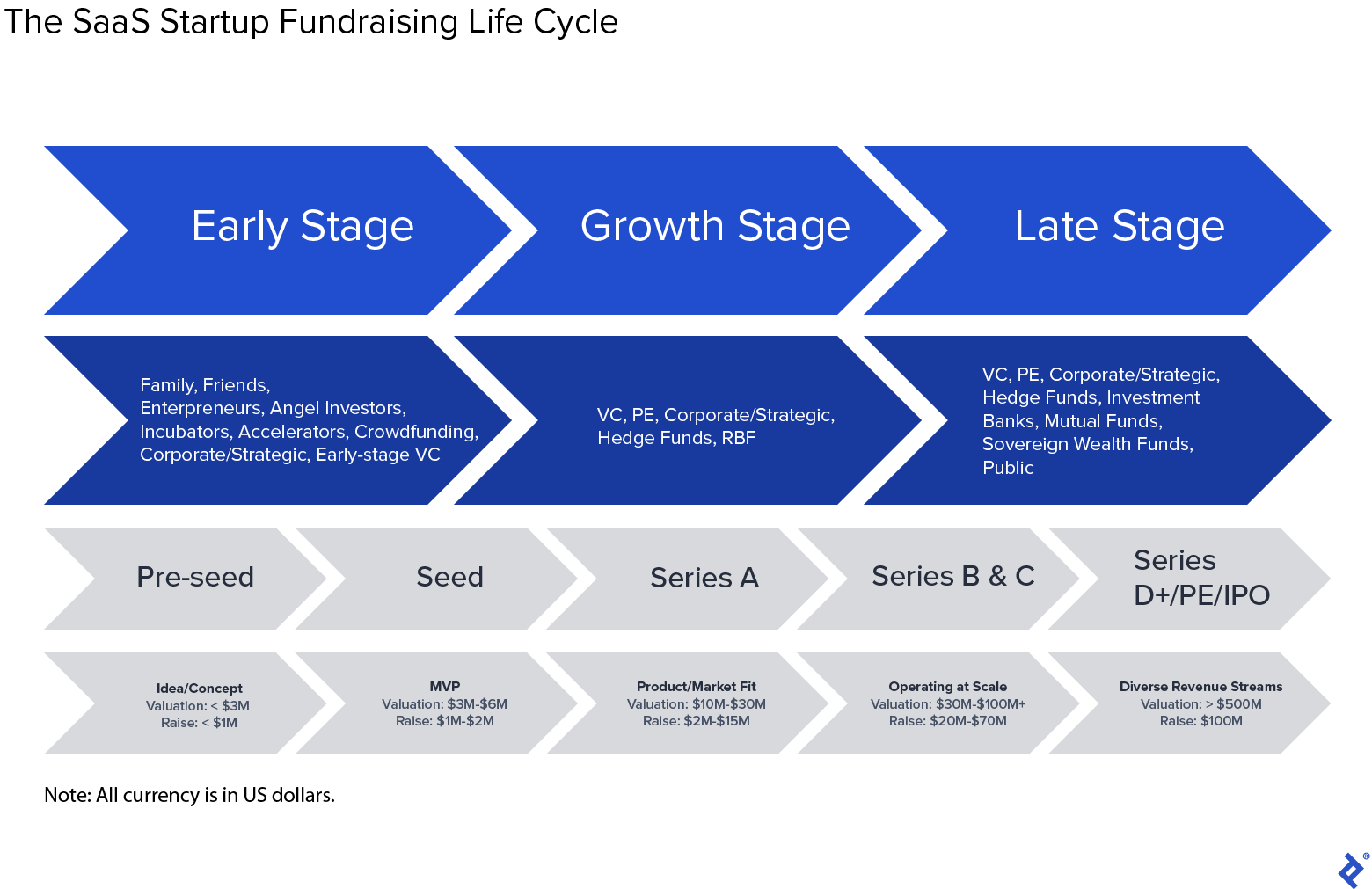
In the world of startups, securing funding is often the make-or-break moment for many entrepreneurs. For Software as a Service (SaaS) businesses, crafting an effective business plan is essential, particularly if you’re looking to attract seed funding. But what does a successful SaaS business plan entail? In this article, we’ll explore the key components to include, best practices for presenting your plan, and tips to enhance your chances of securing investment. So, whether you’re a budding entrepreneur or a seasoned business owner, read on to discover how to create the perfect SaaS business plan for seed funding rounds.
Understanding the Importance of a Solid Business Plan
Before delving into the specifics, let’s establish why a business plan is crucial for any startup, particularly in the SaaS space. A well-structured business plan serves multiple purposes:
- Clarifies Your Vision: It helps you articulate your business idea, goals, and strategy.
- Guides Decision-Making: A clear plan can guide both day-to-day and long-term business decisions.
- Attracts Investors: Investors need to see a coherent and compelling business model before they’ll consider funding you.
- Sets Benchmarks: It allows you to set benchmarks and metrics to measure your growth and success.
Key Components of a SaaS Business Plan
A comprehensive SaaS business plan typically consists of several vital sections. Here’s what you should include:
1. Executive Summary
The executive summary is arguably one of the most critical sections as it outlines the essence of your SaaS business plan. It should be concise yet informative, encapsulating the following:
- A brief description of your SaaS product.
- Your target market and customer personas.
- Your unique selling proposition (USP).
- Financial projections and funding requirements.
Tips for Writing:
– Keep it clear and succinct—aim for one to two pages.
– Avoid jargon; assume your reader may not be familiar with SaaS terminology.
– Highlight the most compelling aspects of your business to capture attention.
2. Problem Statement
In the SaaS universe, your solution must address a clear problem faced by your target audience. This section should clearly articulate the issue(s) your potential customers encounter and why existing solutions are insufficient.
Example: If your SaaS product streamlines project management tasks, highlight the pain points associated with current project management tools, such as inefficiency, lack of collaboration, or high costs.
3. Solution Overview
Following your problem statement, explain how your SaaS offering serves as a solution. Emphasize the benefits of your software and how it differentiates itself from competitors. A graphical representation of your product’s features can resonate well with investors.
Quick Tips:
– Use real-life scenarios to illustrate how your SaaS product solves the problem.
– Highlight any unique features that competitors lack.
– Keep it focused on customer benefits rather than just technical descriptions.
4. Market Analysis
A robust market analysis reinforces your credibility as an entrepreneur. Investors want to know you’ve done your homework. Include:
- An overview of the SaaS market and specific trends.
- Your target market demographics and segmentation.
- Competitive analysis showcasing key players and your competitive advantage.
Utilizing graphs and charts can help visualize market trends and provide a more compelling argument.
5. Revenue Model
The SaaS revenue model is pivotal to your business plan. Here are some common SaaS pricing strategies to consider:
- Subscription model: Monthly or yearly fees for continued access.
- Freemium model: Basic services are free, with premium features available for a fee.
- Tiered pricing: Different price levels based on features accessed.
Detail how you intend to monetize your SaaS, including projected revenue streams and how you’ll scale your pricing strategy as you grow.

- Overcome negative thought patterns, reduce stress, and live a worry-free life
- Overthinking is the biggest cause of unhappiness
- Don't get stuck in a never-ending thought loop
- Stay present and keep your mind off things that don't matter, and never will
- Break free of your self-imposed mental prison
6. Marketing Strategy
A well-structured marketing strategy outlines how you plan to attract customers. Include:
- Customer acquisition channels: SEO, PPC, social media, content marketing, and partnerships.
- Sales strategy: B2B vs. B2C approaches, direct sales, or sales through affiliates.
Incorporate KPIs (Key Performance Indicators) that you’ll utilize to gauge the effectiveness of your marketing activities.
7. Product Development Roadmap
Investors want to see a clear path to product enhancement. Outline:
- Current product status and future features in development.
- Timeline for key milestones and product releases.
This section assures investors that you have a plan for iterating and improving your product over time.
8. Financial Projections
This section is crucial for instilling confidence in potential investors. Provide:
- Projected income statements for at least three years.
- Cash flow projections.
- Break-even analysis showing when you expect to become profitable.
Visuals like graphs and charts are helpful in making your financial data digestible.
9. Team Overview
Your team is often just as important to investors as the product itself. Showcase:
- Founding team background and expertise.
- Any advisors involved, highlighting their experiences within the SaaS landscape.
A strong, committed team can significantly impact the likelihood of funding, so make this section count.
10. Appendices
If you have detailed research, additional charts, or references, include them in the appendix. This keeps your main document clean while providing supporting data for interested investors.
Best Practices for Presenting Your SaaS Business Plan
1. Know Your Audience
Research your potential investors and understand what they look for in AI/ML SaaS businesses. Tailor your presentation and language to resonate with their interests and values.
2. Use Clear and Concise Language
Simplicity goes a long way in getting your message across. Avoid technical jargon unless you’re certain your audience understands it.
3. Practice Your Pitch
Once your business plan is complete, practice delivering it. This will help you become familiar with all the nuances of your plan and prepare you for questions investors may ask.
4. Be Ready for Questions
Investors will likely have questions. Be prepared to discuss every aspect of your business plan, from financial projections to product development. Confidence and depth of knowledge can significantly enhance your credibility.
5. Gather Feedback Before Finalizing
Share your business plan draft with trusted mentors and industry peers. Their feedback can be invaluable in spotting weaknesses you may have overlooked.
Conclusion
Creating a SaaS business plan for seed funding rounds is a strategic endeavor that requires careful consideration and thorough planning. By addressing key components such as the executive summary, problem statement, market analysis, and financial projections, you can craft a compelling business plan that attracts investment and sets the stage for your startup’s success.
Remember, crafting your business plan isn’t just about checking boxes; it’s an essential blueprint that will guide you through the initial stages of your SaaS journey. So take your time, do the necessary research, and ensure that your plan reflects the passion and potential of your business. With the right approach, not only will you be able to attract investors, but you’ll also be setting yourself up for long-term success. Happy planning!


