
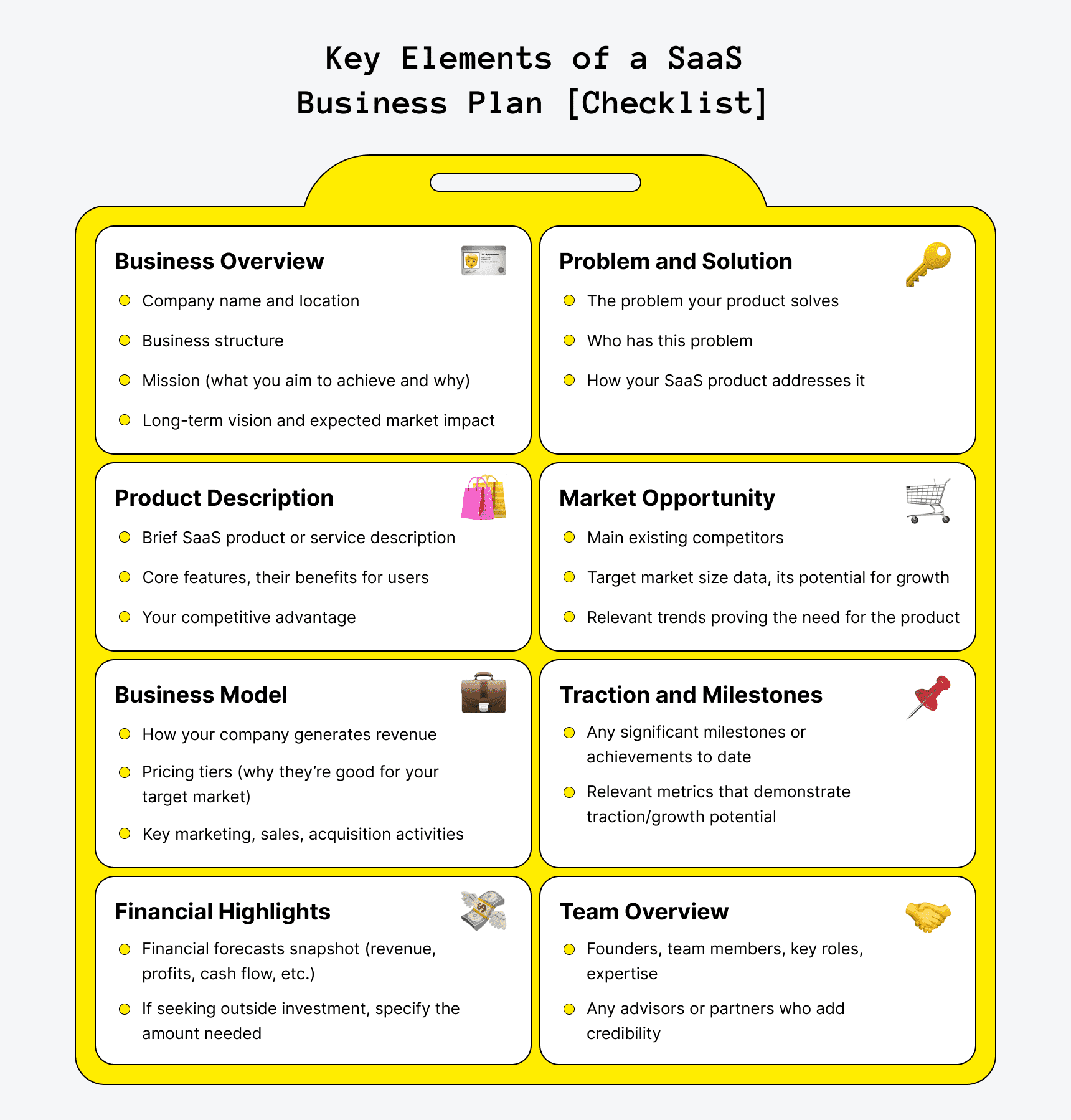
In recent years, the Software as a Service (SaaS) model has significantly transformed various industries, providing businesses with innovative solutions and enhancing operational efficiency. However, if you’re seeking funding from venture capitalists, you’ll need to present a compelling business plan that clearly demonstrates the potential return on investment (ROI). This article will explore effective strategies for showcasing ROI in your SaaS business plans, ensuring you attract the attention of potential investors.
Understanding ROI in the Context of SaaS
Before diving into the specifics of presenting your business plan, it’s essential to grasp the implications of ROI in a SaaS context. ROI is a financial metric used to evaluate the efficiency of an investment or compare the efficiencies of several investments. It measures the gain or loss generated relative to the amount of money invested.
For a SaaS business, ROI reflects not just the revenue generated but also the customer acquisition costs, customer lifetime value, churn rates, and other key performance indicators (KPIs). Investors, particularly venture capitalists, will be keenly interested in how these figures align with your overall business strategy.
1. Start with an Executive Summary
The first impression of your business plan is often made through the executive summary. This section should be concise yet comprehensive, summarizing the key elements of your SaaS business model and the projected ROI.
-
Define Your Value Proposition: Clearly articulate what makes your SaaS solution unique and how it addresses a specific market need. Highlight the problems it solves and the benefits it provides to end-users.
-
Market Opportunity: Present a detailed analysis of the market landscape. Cite statistics and projections showcasing the growing demand for your solution. Mention the target customer segment and their willingness to pay for your service.
-
Key Financial Metrics: Provide a snapshot of essential financial metrics such as projected revenue growth, gross margins, and the projected ROI over specific timeframes.
2. Highlight Customer Acquisition Strategies
Venture capitalists want to know how you plan to acquire customers effectively. Therefore, detailing your customer acquisition strategies is critical in showcasing your SaaS business’s ROI potential.
-
Marketing Channels: Outline the marketing channels you intend to leverage, such as content marketing, SEO, social media, email marketing, and paid advertising. Demonstrate an understanding of how these channels will drive user acquisition.
-
Sales Funnels: Describe your sales funnel strategy. Include projected conversion rates at each stage, from website visitors to trial users and paying customers. If you have historical data, use it to substantiate your claims.
-
Customer Growth Projections: Offer realistic but optimistic projections of customer growth over the next three to five years. This could include user acquisition, retention rates, and upsell opportunities.
3. Demonstrate Lifetime Value of Customers (LTV)
Investor interest is piqued by high customer lifetime value, as it directly impacts ROI. Demonstrating LTV requires a clear illustration of how much revenue a customer will generate throughout their relationship with your SaaS product.
-
Calculating LTV: To compute LTV, you need to multiply the average revenue per user (ARPU) by the average customer lifespan. Investors appreciate clarity, so break this down step-by-step in your business plan.
-
Reducing Churn: Discuss strategies to minimize churn (the rate at which customers stop using your service). Share statistics that reflect your expected churn rate and initiatives that can help improve customer retention, such as better customer service, regular updates, and community engagement.
-
Upsell and Cross-sell Opportunities: Highlight how you plan to maximize LTV through upselling and cross-selling additional features or products. Share case studies or projections to bolster your claims.
4. Show Your Financial Projections
One of the most critical sections in your business plan will be your financial projections. To instill confidence in potential investors, these figures should be both optimistic and grounded in reality.
-
Revenue Projections: Present detailed revenue forecasts for the next three to five years, including assumptions behind your projections. Break these down into monthly or quarterly forecasts to enhance transparency.
-
Projected Costs: Include a clear outline of your operating costs, covering element costs such as salaries, marketing expenses, and technology investments. This will help investors understand how you plan to manage your finances.
-
Profit Margins: Showcase your projected gross and net profit margins. Highlight your path to profitability, including when you anticipate breaking even.

- Overcome negative thought patterns, reduce stress, and live a worry-free life
- Overthinking is the biggest cause of unhappiness
- Don't get stuck in a never-ending thought loop
- Stay present and keep your mind off things that don't matter, and never will
- Break free of your self-imposed mental prison
5. Address Market Risks and Mitigation Strategies
Demonstrating an understanding of potential market risks and outlining your risk mitigation strategies is crucial. Venture capitalists are typically risk-averse, and they want assurance that you can navigate potential challenges.
-
Market Competition: Analyze the competitive landscape. Who are your primary competitors? What are their strengths and weaknesses? Discuss how your SaaS product differentiates itself and your strategies for gaining market share.
-
Regulatory Changes: Address any regulatory concerns your SaaS business could face. Reassure investors that you’re aware of these risks and have plans to adapt.
-
Economic Fluctuations: Discuss how economic downturns could affect your growth trajectory. Outline contingency plans you have in place to remain resilient during uncertain times.
6. Provide Testimonials and Case Studies
Using testimonials and case studies can significantly enhance your credibility and showcase the ROI potential of your SaaS offering. Positive feedback from customers establishes trust and illustrates real-world examples of success.
-
Customer Testimonials: Include testimonials from satisfied customers who have benefited from your product. Highlight their challenges before using your service and the positive outcomes they experienced after adoption.
-
Case Studies: Create detailed case studies showcasing specific clients and how they achieved measurable results using your SaaS solution. Include quantifiable data such as increased efficiency, savings, or revenue growth.
-
Success Metrics: Present metrics from beta users or early adopters demonstrating your product’s impact. This could include statistics related to performance improvements or cost savings.
7. Create a Roadmap for Future Growth
Investors appreciate a clear vision for future growth. Provide a roadmap illustrating how you plan to evolve your SaaS business over the next few years.
-
Product Development: Discuss plans for product enhancements or new features based on customer feedback and market demands. Share timelines for updates and how they align with customer needs.
-
Market Expansion: If applicable, outline plans for geographic expansion or entering new market segments. Highlight market research that justifies these decisions.
-
Strategic Partnerships: Discuss potential partnerships that could amplify your growth. Whether through collaborations with other tech companies or integrations with popular platforms, illustrate how partnerships will contribute to your long-term ROI.
8. Conclude with a Compelling Call to Action
Finally, wrap up your business plan with a compelling call to action. Reiterate the unique aspects of your SaaS business and the ROI potential for investors.
-
Restate Your Value Proposition: Summarize the primary value propositions and how they will lead to a solid ROI. Engage investors emotionally, evoking excitement about your SaaS product’s future.
-
Invite Discussion: Encourage potential investors to reach out for further discussions. Make it clear that you are open to engaging in dialogue, answering questions, or providing additional information as required.
Conclusion
Presenting a well-structured business plan that clearly showcases ROI is critical to attracting venture capitalists to invest in your SaaS business. By focusing on your value proposition, customer acquisition strategies, lifetime value, financial projections, market risks, testimonials, growth roadmap, and a compelling conclusion, you’ll be positioned to capture the attention and support of investors.
Remember that presenting your SaaS business’s potential ROI is not just about numbers—it’s about telling a compelling story that connects with investors. With thorough preparation and clear communication, you can increase your chances of securing the funding necessary to take your SaaS business to new heights.


