
In today’s fast-paced tech landscape, Software as a Service (SaaS) businesses are booming, appealing to startups and established companies alike. But, while the potential for growth is immense, the journey can often be complicated. One of the key elements that can make or break your SaaS venture is a well-defined product roadmap. In this article, we’ll explore how to effectively plan your SaaS product roadmap within your business plan, ensuring that you set the foundation for long-term success.
What Is a SaaS Product Roadmap?
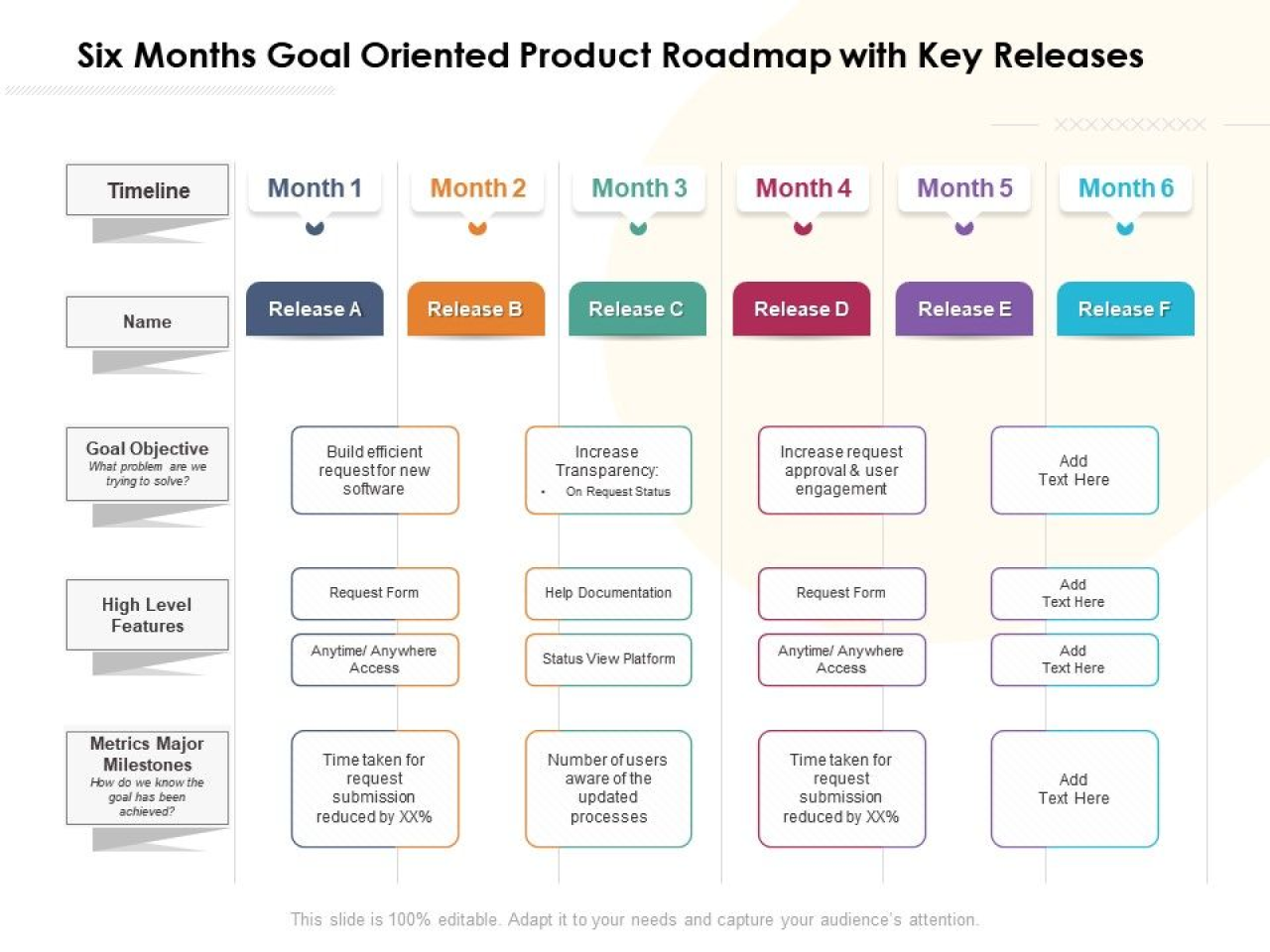
Before diving into the intricacies of planning, let’s establish what a SaaS product roadmap is. A product roadmap is a strategic document that outlines the vision, direction, and progress of a product over time. It serves as a guide for both the development team and stakeholders, detailing the various phases of product development, feature releases, timelines, and more.
For SaaS businesses, where the software is continuously updated and customer feedback can directly influence future iterations, the roadmap becomes even more critical. It highlights not just what features will be delivered, but also when they will be delivered and why those features matter to customers.
Why Is a Product Roadmap Important for SaaS Businesses?
-
Provides Direction: A well-structured roadmap gives your team a clear understanding of the strategic direction of product development. It aligns everyone towards a common vision.
-
Enhances Communication: A product roadmap serves as a communication tool between different departments—development, marketing, sales, and customer support—ensuring that everyone is on the same page.
-
Facilitates Priority Setting: It helps identify which features deliver the most value to the customer and the business. With numerous ideas and requests, a roadmap helps to prioritize what is essential for development.
-
Supports Agile Development: In the fast-evolving SaaS world, being Agile is crucial. A roadmap can adapt to changes, allowing flexibility while still guiding long-term planning.
Steps to Plan Your SaaS Product Roadmap
1. Define Your Vision and Goals
Every successful SaaS business begins with a clear vision and set of goals. What problem does your product solve? Who are your target users? Answering these questions will help lay the groundwork for your product roadmap.
Tips:
– Use the SMART criteria: Specific, Measurable, Achievable, Relevant, Time-bound.
– Involve stakeholders in the goal-setting process to ensure alignment.
2. Conduct Market Research and Competitive Analysis
Understanding the market landscape is vital for your roadmap. Conducting thorough market research will illuminate industry trends, customer preferences, and competitor offerings. What features do users love about competitor products? Where do they fall short?
Tips:
– Use surveys, focus groups, and interviews to gather data directly from potential users.
– Analyze competitor product roadmaps (if available) to identify gaps and opportunities.
3. Identify Key Features and Initiatives
Once you’ve determined your vision and gathered insights from your research, it’s time to identify the key features and initiatives that will drive user engagement and satisfaction. Prioritize these features based on customer impact, business goals, and feasibility.
Tips:
– Create a feature request board where customers can voice their needs.
– Use tools like MoSCoW (Must have, Should have, Could have, Won’t have) to prioritize features.
4. Create a Timeline
With a list of prioritized features, develop a realistic timeline for their implementation. Consider factors such as available resources, technical complexity, and dependencies between features.
Tips:
– Use Gantt charts or roadmapping software to visualize the timeline.
– Build in flexibility to allow for unforeseen challenges and opportunities.

- Overcome negative thought patterns, reduce stress, and live a worry-free life
- Overthinking is the biggest cause of unhappiness
- Don't get stuck in a never-ending thought loop
- Stay present and keep your mind off things that don't matter, and never will
- Break free of your self-imposed mental prison
5. Make Room for Feedback and Iteration
The SaaS landscape evolves rapidly, and so do customer needs. Therefore, your product roadmap should allow for regular feedback loops from users and your internal team. Adopting an iterative approach means being open to adjusting your roadmap based on real-world insights.
Tips:
– Schedule regular check-ins with stakeholders to review progress and gather feedback.
– Implement systems for collecting user feedback, such as Net Promoter Score (NPS) surveys or customer satisfaction polls.
6. Communicate Your Roadmap
Making your roadmap accessible to your team and stakeholders ensures that everyone understands the direction and priorities. Choose the right communication tools to keep everyone informed and engaged.
Tips:
– Utilize platforms like Trello, Asana, or Confluence to share your roadmap.
– Regularly update the roadmap as new insights and adjustments arise.
Aligning Your Roadmap with Your Business Plan
Integrating your product roadmap into your broader business plan is essential. Here’s how to ensure alignment:
-
Align Objectives: Ensure that the goals of your product roadmap align with the overall business objectives. Each milestone in your roadmap should contribute towards achieving your business goals.
-
Resource Allocation: Your business plan should outline budget and resource allocation for product development, marketing, and support. Make sure your roadmap reflects these resources to avoid overcommitment.
-
Risk Management: Identify potential risks associated with your product roadmap and outline mitigation strategies in your business plan. Whether it’s a competitor entering the market or changes in user preferences, having a contingency plan is vital.
-
Performance Metrics: Define key performance indicators (KPIs) to measure the success of your product development efforts. These should be clearly stated in your business plan and help track progress against your roadmap.
Example of a SaaS Product Roadmap
To make the process clearer, let’s lay out a simplistic example. Imagine your SaaS product is a project management tool aimed at small businesses. Here’s a broad example of what a one-year product roadmap might look like:
Q1: Customer Discovery and Validation
– Conduct customer interviews
– Launch MVP (Minimum Viable Product)
– Collect feedback through surveys
Q2: Feature Development
– Implement core features (task management, collaborative tools)
– Launch beta version to a limited audience
– Gather insights on usability and functionality
Q3: Performance Enhancements
– Develop integrations with popular tools (Slack, Google Drive)
– Focus on enhancing user experience based on beta feedback
– Begin marketing efforts for the full launch
Q4: Expansion and Scale
– Launch full version of the product
– Create additional features based on user feedback
– Explore expansion into new markets
Conclusion
Planning your SaaS product roadmap as part of your business plan is more than just a checklist; it’s a strategic guide that can help you navigate the complexities of product development and user engagement. By involving your team, gathering insights from your customers, and remaining adaptable to market changes, you’ll increase the likelihood that your SaaS product not only meets but exceeds the expectations of your target audience.
Remember, the road to success isn’t always linear. Regularly revisiting and adjusting your roadmap ensures that you’re not just keeping pace with the competition but setting trends that others can follow. With a well-planned roadmap, your SaaS product can reach its fullest potential, delivering sustained value to your users and solidifying your business’s position in the market.


