
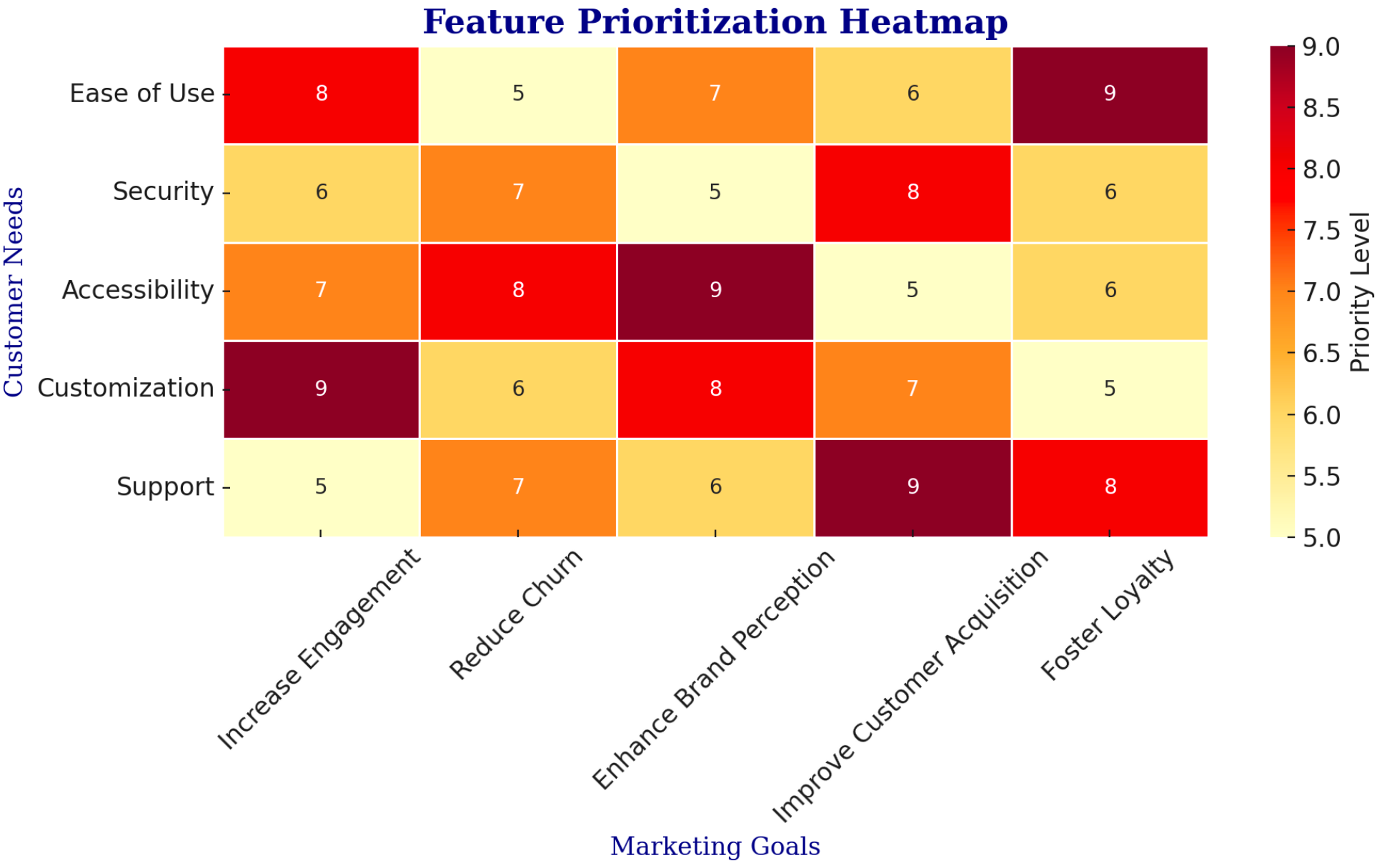
In a rapidly changing digital landscape, Software as a Service (SaaS) products have transformed the way businesses operate by providing accessible, scalable solutions tailored to specific needs. However, simply developing a SaaS product doesn’t guarantee success; the key lies in effectively aligning product features with the actual needs of your customers. In this article, we will explore practical strategies to ensure your SaaS offerings resonate with your target audience, ultimately leading to customer satisfaction and business growth.
Understanding Your Customers: The Foundation of Alignment
Before you dive into feature development, it’s crucial to understand your customers’ unique needs, preferences, and pain points. This requires comprehensive market research, user interviews, and feedback loops.
1. Conduct Market Research
Start by gathering data on your target market. Identify who your ideal customers are, what industries they belong to, and what problems they are looking to solve with your SaaS solution. Utilize tools like surveys, questionnaires, and focus groups to gain insights into their behaviors and expectations.
2. Create Customer Personas
Once you have your research data, create customer personas that represent various segments of your audience. This will help you visualize who your customers are and what they need. Each persona should encompass demographic information, user needs, goals, and potential frustrations.
3. Engage with Your Customers
Regular interaction with your customers is crucial. Use channels such as social media, forums, and customer support to communicate with users. Encourage feedback about your product features and general usability. This ongoing dialogue will provide invaluable insights directly from your user base.
Identifying Core Features Based on Customer Needs
Now that you have a clearer understanding of your audience, you can begin to identify which features are essential for your SaaS product. This process typically involves several steps.
4. Analyze Competitor Offerings
Take a close look at your competitors to see what features they offer and how those features cater to their customer base. Competitive analysis can highlight gaps in the market as well as provide ideas for innovative features that your product could implement.
5. Prioritize Features That Address Pain Points
List out the pain points highlighted in your research and prioritize features that solve these issues first. Customers will be more inclined to adopt a product that solves their immediate problems. By addressing their primary concerns, you will not only enhance your product’s value but also build customer loyalty.
6. Employ User Story Mapping
User story mapping is a technique that aligns features with user goals. This visual representation allows you to see how different features relate to specific tasks your users want to accomplish. It can help in fitting important functionalities into your product roadmap while also ensuring that every feature has a purpose.
Developing a Customer-Centric Roadmap
With a clear understanding of customer needs and prioritized features, the next step is to create a product roadmap that focuses on delivering value.
7. Set Clear Goals
Your product roadmap should have clear objectives based on your customers’ needs. Outline short-term and long-term goals that align with both your product vision and user expectations. Keep these objectives visible to your teams to maintain focus during the development process.
8. Use Agile Methodologies
Applying agile methodologies allows for iterative development, enabling you to release features incrementally. This approach allows for continuous feedback and improvement, making it easier to pivot if customer needs change. Agile helps foster a responsive culture, ensuring that your SaaS product remains relevant and aligned with customer expectations.

- Overcome negative thought patterns, reduce stress, and live a worry-free life
- Overthinking is the biggest cause of unhappiness
- Don't get stuck in a never-ending thought loop
- Stay present and keep your mind off things that don't matter, and never will
- Break free of your self-imposed mental prison
9. Incorporate Feedback Loops
After developing new features, incorporate them into your SaaS product incrementally. Maintain open channels for customer feedback to see how users respond. Use this data to understand if the new features meet customer needs or if further adjustments are necessary.
Marketing Your SaaS with a Customer-Focused Approach
Once your features are aligned with customer needs, it’s essential to communicate their benefits effectively through your marketing strategies.
10. Tailored Messaging
Ensure your marketing messages resonate with your customer personas. Speak directly to their pain points and illustrate how your features can solve their specific problems. Create compelling case studies and testimonials that showcase real-life applications of your product.
11. Educational Content
Consider creating blogs, videos, or webinars that educate your customers about how to maximize the use of your product features. Content marketing not only helps in building trust but also positions you as an authority in your field.
12. Emphasize Customer Involvement
Engage your users in co-creation journeys. Consider hosting contests or feedback initiatives that allow customers to suggest new features or improvements. This involvement not only fosters a sense of community but also keeps your product aligned with their evolving needs.
Measuring Success: Analytics and Continuous Improvement
Finally, once your SaaS product has launched, you need to measure success and consistently strive for improvement.
13. Establish Key Performance Indicators (KPIs)
Define KPIs that reflect success not only for your business goals but also for customer satisfaction. Metrics like Customer Satisfaction Score (CSAT), Net Promoter Score (NPS), and churn rates provide insight into how well your product meets customer needs.
14. Utilize Analytics Tools
Employ analytics tools to track user behavior regarding feature usage. Understanding how customers interact with different functionalities can help you identify which features are over-utilized or under-utilized, allowing for further optimization.
15. Iterate Based on Data
Make data-driven decisions for future iterations of your product. Regularly revisit your customer feedback and analytics to refine features or add new ones that align with shifting customer expectations. This iterative cycle of enhancement will foster customer loyalty and engagement.
Conclusion: The Path to Product-Market Fit
Aligning your SaaS product features with customer needs is an ongoing journey rather than a one-time task. By understanding your audience deeply, prioritizing the right features, developing a customer-centric roadmap, and continuously measuring success, you can create a product that not only meets but exceeds customer expectations.
In a world where customer satisfaction dictates the success of software solutions, making alignment a core part of your strategy will lead to products that users love. Remember, satisfied customers are not just a key to retention—they can become ambassadors for your brand, driving referrals and promoting your product within their networks. So, invest in understanding and aligning your features with customer needs, and watch your SaaS business thrive.


