
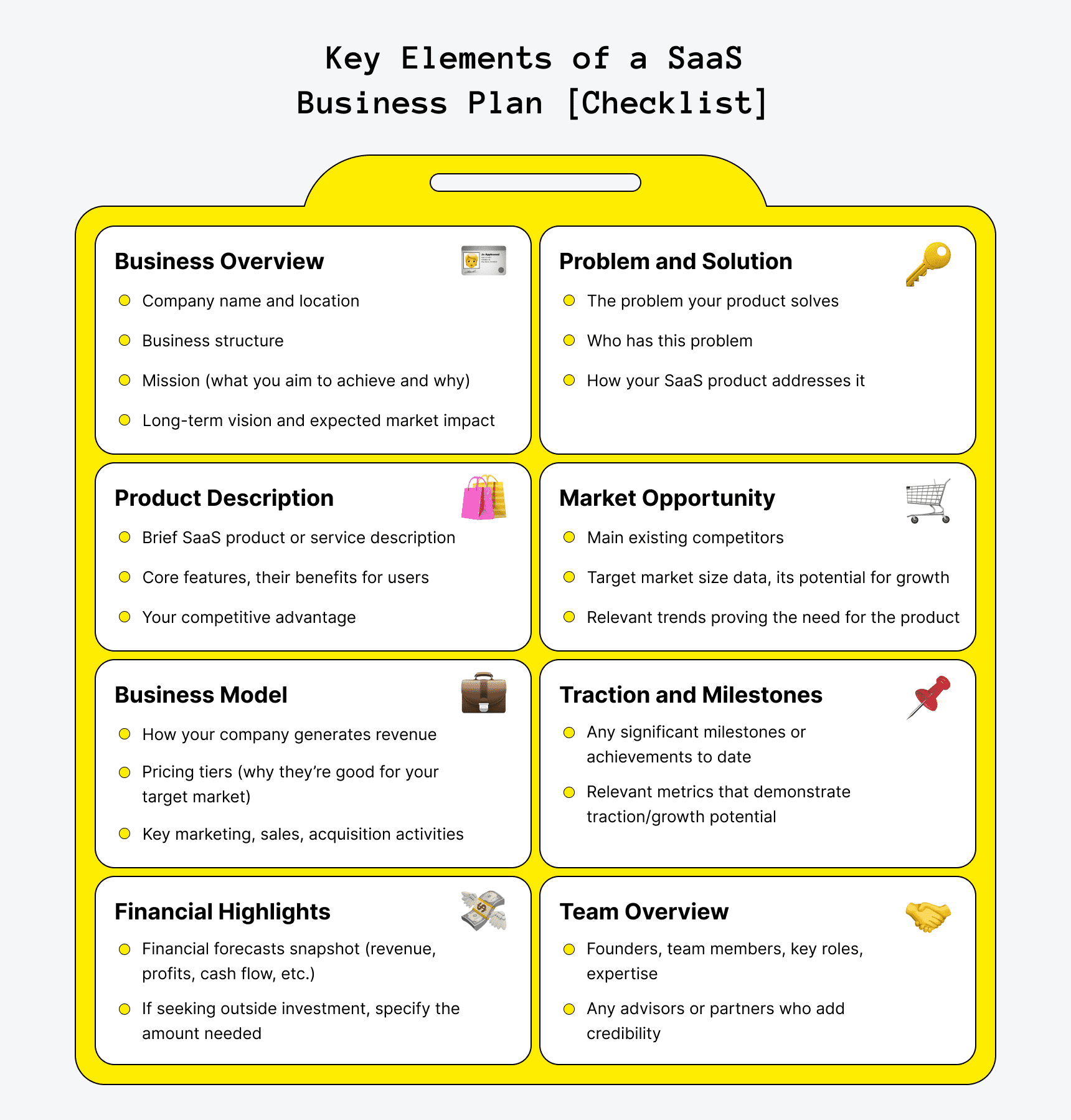
In today’s fast-paced digital world, Software as a Service (SaaS) solutions are revolutionizing how businesses operate. From customer relationship management (CRM) systems to project management tools, SaaS offerings help companies streamline their processes and boost productivity. If you’re an aspiring entrepreneur or an established business looking to pivot towards the SaaS model, one of the most vital steps is creating a robust business plan. This article will explore exemplary SaaS business plans that can inspire your entrepreneurial journey, highlighting what makes them successful and how you can apply these principles to your own venture.
Understanding the SaaS Business Model
Before diving into the examples, it’s essential to grasp what makes the SaaS model unique. At its core, SaaS is a software distribution model where applications are hosted in the cloud and accessed via the internet. This model allows businesses to provide their customers with continuous updates and real-time features without requiring them to manage physical installations or software updates. Additionally, SaaS companies often operate on a subscription basis, ensuring a recurring revenue stream.
Key Characteristics of Successful SaaS Business Plans
-
Clear Value Proposition: Your SaaS business plan must articulate what makes your product unique and how it solves your customers’ problems.
-
Target Market Analysis: Understanding who your customers are and what they need is crucial. A thorough market analysis highlights your potential user base and your competitors.
-
Revenue Model: While many SaaS businesses rely on subscription models, exploring other revenue avenues, such as tiered pricing, freemium models, or bundled services, is vital.
-
Marketing Strategy: Your plan should detail how you intend to attract and retain customers. This includes digital marketing channels, content marketing, social media, and more.
-
Scalability: A successful SaaS business plan includes strategies for growth and scalability. How will your business adapt as your user base expands?
With these characteristics in mind, let’s take a look at some acclaimed SaaS business plans to inspire your entrepreneurial mindset.
1. Slack: Simplifying Team Communication
Overview
Slack’s business plan revolves around enhancing team communication through an intuitive, user-friendly platform. The company’s objective is to replace email with a more effective tool for collaboration, especially in distributed teams.
Key Elements
-
Value Proposition: Slack allows teams to communicate in real time, share files, and integrate various apps, effectively creating a centralized workspace.
-
Target Market: Initially targeting startups and tech companies, Slack quickly expanded to include larger enterprises, recognizing the universal need for better communication tools.
-
Revenue Model: Slack operates on a freemium model, allowing users to experience the platform for free with the option to upgrade for enhanced features.
-
Marketing Strategy: Their marketing strategy heavily relies on word-of-mouth and social proof. By tapping into active communities and emphasizing user experience, Slack succeeded in creating a loyal customer base.
Takeaway
Focus on solving a specific communication problem and prioritize user experience. Simple yet powerful solutions tend to attract substantial interest.
2. HubSpot: The All-In-One Marketing Platform
Overview
HubSpot offers an all-in-one platform for marketing, sales, and customer service. The company started as a marketing tool and expanded its offerings to include CRM, content management, and customer service software.
Key Elements
-
Value Proposition: HubSpot simplifies inbound marketing, helping businesses attract and engage customers more effectively through its combined features.
-
Target Market: HubSpot primarily targets small to medium-sized businesses that may not have dedicated marketing teams or resources.
-
Revenue Model: Similar to Slack, HubSpot uses a freemium model and tiered pricing strategy, allowing users to access basic features for free while offering advanced tools with paid subscriptions.
-
Marketing Strategy: HubSpot became a leader in inbound marketing through its extensive content marketing efforts, SEO strategies, and nurturing leads through valuable educational resources.
Takeaway
Creating a comprehensive ecosystem that addresses multiple aspects of your users’ business can lead to upsell opportunities and recurring revenue.
3. Zoom: Revolutionizing Remote Communication
Overview
In a world increasingly leaning towards remote work, Zoom has become synonymous with online communication. Their business plan was straightforward: create a reliable, user-friendly platform for video conferencing.
Key Elements
-
Value Proposition: Zoom emphasizes ease of use, high-quality video and audio, and seamless integration with other platforms, making it a preferred choice for meetings and webinars.
-
Target Market: Zoom serves a broad user base, from individual professionals to large enterprises, educational institutions, and more—highlighting the universal need for remote communication tools.
-
Revenue Model: Zoom employs a subscription-based model, offering various tiers based on user needs, allowing users to scale as their requirements change.
-
Marketing Strategy: Zoom’s marketing strategy focused on partnerships, making it easy for users to integrate Zoom with existing tools and systems. Their user-based growth emphasizes referrals and word-of-mouth.
Takeaway
A straightforward solution that can scale with users is invaluable in today’s digital landscape. Ensure your product is adaptable as your customers’ needs grow.
4. Salesforce: Leading the CRM Revolution
Overview
Salesforce is the pioneer in customer relationship management (CRM) software. Their business plan focuses on providing businesses with tools to improve customer engagement and drive sales.
Key Elements
-
Value Proposition: Salesforce offers a comprehensive suite of tools designed to manage customer relationships, from analytics to customer service.
-
Target Market: Salesforce targets businesses of all sizes, accommodating the specific needs of small businesses and enterprise clients equally.
-
Revenue Model: The company primarily uses a subscription model with different tiers to cater to various business sizes and needs, generating consistent revenue.
-
Marketing Strategy: Salesforce utilizes extensive marketing campaigns, community building, and educational initiatives to highlight the importance of customer relationship management.

- Overcome negative thought patterns, reduce stress, and live a worry-free life
- Overthinking is the biggest cause of unhappiness
- Don't get stuck in a never-ending thought loop
- Stay present and keep your mind off things that don't matter, and never will
- Break free of your self-imposed mental prison
Takeaway
Targeting diverse customer segments can amplify your user base. A complex product can succeed by breaking it into manageable tiers.
5. Canva: Democratizing Design
Overview
Canva is an online graphic design platform that allows users to create stunning visuals easily. Their business plan aims to democratize design by making it accessible to everyone, regardless of skill level.
Key Elements
-
Value Proposition: Canva empowers users with intuitive drag-and-drop functionality and a library of templates, enabling even non-designers to produce professional-quality graphics.
-
Target Market: Canva primarily targets individual users, small businesses, and marketers who require design capabilities but lack the resources for a dedicated design team.
-
Revenue Model: Canva employs a freemium model, allowing users to access basic features for free while offering premium features through subscriptions.
-
Marketing Strategy: Their marketing strategy emphasizes user-generated content, allowing satisfied customers to share their creations online, which drives word-of-mouth referrals and social media buzz.
Takeaway
Simplifying a complex process can create a wide avenue for users. Focus on enhancing user experience and enabling creativity to attract customers.
6. DocuSign: Leading in Electronic Signature Solutions
Overview
DocuSign has made its mark by offering a reliable electronic signature service, allowing businesses to send, sign, and manage documents digitally.
Key Elements
-
Value Proposition: DocuSign streamlines the process of signing documents, improving efficiency and reducing the need for physical paperwork.
-
Target Market: Their primary users are lawyers, real estate agents, and businesses that regularly handle contracts requiring signatures.
-
Revenue Model: DocuSign operates on a subscription basis, providing various tiers to meet different user needs and ensuring steady income.
-
Marketing Strategy: The company focuses on partnerships and integrations with popular productivity tools, reinforcing its value proposition and usability.
Takeaway
Focus on improving convenience and efficiency for users. If you can save time and reduce friction in handling tasks, you’ll find a receptive audience.
7. Monday.com: Project Management Made Easy
Overview
Monday.com has carved out its niche in productivity and project management software, helping teams collaborate and manage tasks more effectively.
Key Elements
-
Value Proposition: Monday.com offers a highly customizable platform that supports various workflows, making it adaptable for different teams’ needs.
-
Target Market: While initially popular with tech teams, the platform has broadened its appeal across diverse industries, including marketing, HR, and sales.
-
Revenue Model: The company utilizes a tiered pricing model to cater to different team sizes and requirements, allowing for easy upgrades as teams expand.
-
Marketing Strategy: Monday.com’s strategies involve leveraging social media, case studies, and free trials to entice new users and showcase the platform’s flexibility.
Takeaway
Flexibility and customization can drive customer engagement. Enabling varied use cases can attract a larger audience.
8. FreshBooks: Accounting Made Simple for Small Business
Overview
FreshBooks is a cloud-based accounting software designed specifically for small business owners and freelancers, streamlining invoicing and bookkeeping tasks.
Key Elements
-
Value Proposition: FreshBooks simplifies accounting with a user-friendly interface that allows users to manage finances without an accounting background.
-
Target Market: FreshBooks primarily caters to small business owners, freelancers, and service-based businesses needing easy-to-use accounting software.
-
Revenue Model: They offer a tiered subscription model where users can choose plans based on their growing business needs.
-
Marketing Strategy: FreshBooks focuses on educational content, accounting tips, and developing a community to attract its target market.
Takeaway
Education and community engagement can differentiate your brand. Building resources that help your customers succeed can establish loyalty and trust.
Conclusion: Crafting Your SaaS Business Plan
Drawing inspiration from successful SaaS companies is a great starting point, but the journey to crafting your own business plan requires introspection and strategy. Here are a few steps to help you get started:
-
Identify Your Niche: Focus on a specific problem within a particular industry that you are passionate about. Understand the needs of your potential users and how to address them effectively.
-
Develop Your Unique Value Proposition: What can your software achieve that others cannot? Highlight your uniqueness and the benefits users can expect.
-
Conduct Market Research: Analyze your competitors, target demographic, and market trends. Gather as much data as possible to validate your business idea.
-
Define Your Revenue Model: Determine how you will charge customers. Start with a model that fits your business and industry, keeping flexibility for future iterations as you learn from market feedback.
-
Create a Marketing Strategy: Plan how you will reach your audience and retain customers. Invest in digital marketing strategies that resonate with potential consumers.
-
Invest in Scalability: Finally, make sure your business model can adapt and scale over time. As you grow, ensure that your infrastructure can handle an influx of users and data.
By learning from successful SaaS companies and thoughtfully applying these insights to your business plan, you’ll be well on your way to launching a venture that not only meets users’ needs but also stands out in a densely populated market. Remember: every successful SaaS company started with a thoughtful plan, a clear vision, and the drive to make a difference. Embrace the challenges of the journey, and let these inspiring examples fuel your ambitions. Happy planning!


