
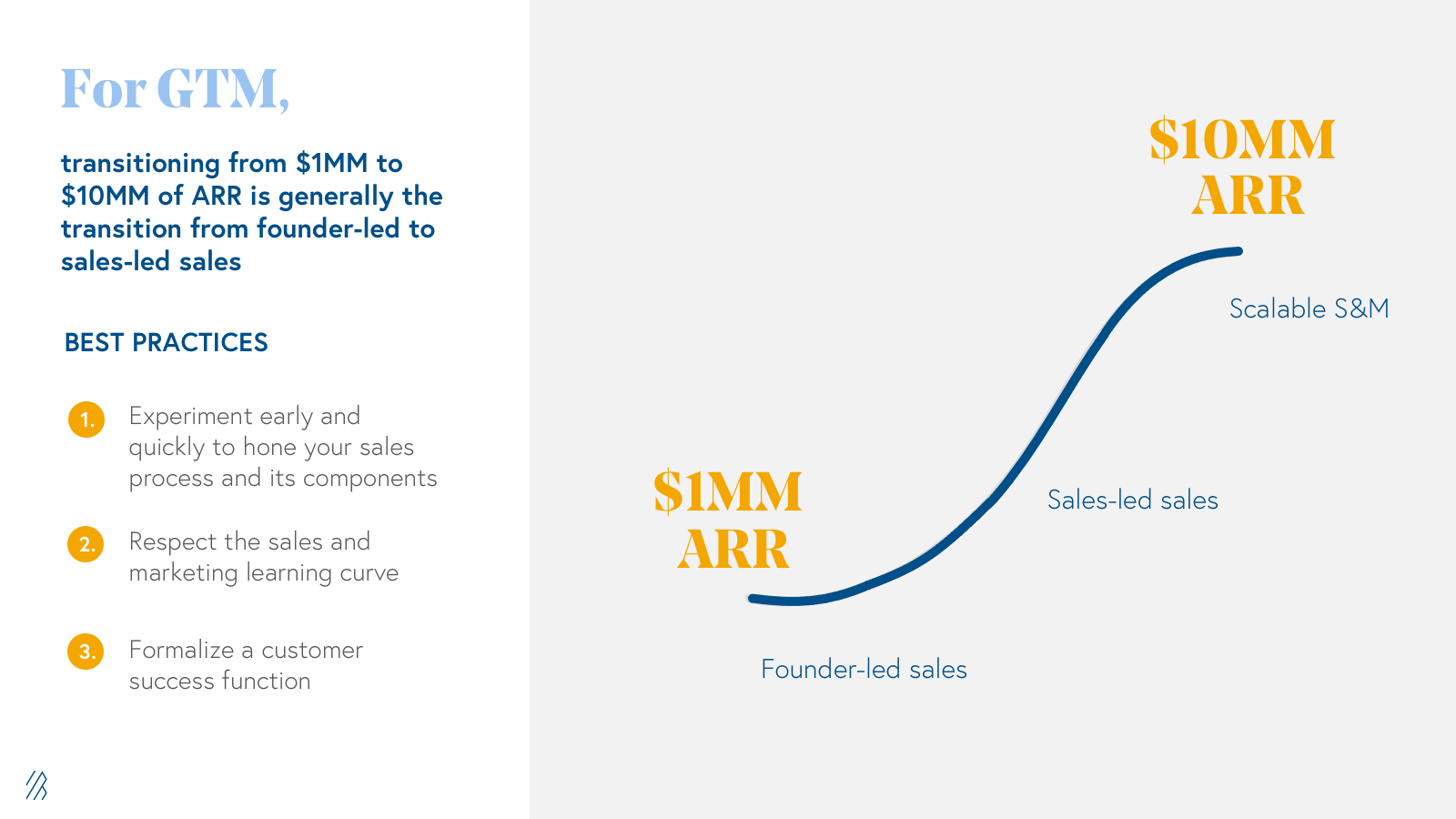
In the fast-paced world of technology, Software as a Service (SaaS) startups have emerged as a key player in the business ecosystem. The convenience of cloud-based solutions has reshaped how companies operate, and the opportunity for rapid growth has drawn many entrepreneurs into this arena. But scaling from zero to $10 million in annual recurring revenue (ARR) in just three years is no small feat. In this article, we will explore the journey of a SaaS startup that achieved this remarkable growth, diving into the strategies, challenges, and key takeaways for aspiring entrepreneurs.
Understanding the Landscape: What is SaaS?
Before we dive into our case study, it’s essential to understand the SaaS model itself. SaaS refers to software that is hosted in the cloud and delivered over the internet, allowing users to access it with ease and flexibility. This model contrasts with traditional software that must be installed on individual computers. Companies opt for SaaS due to its lower upfront costs, ease of updates, and scalability.
The rise of SaaS has led to intense competition. According to the latest statistics, the global SaaS market is projected to grow from $158 billion in 2020 to over $300 billion by 2026. Amidst this rapid expansion, only a few startups make it to the coveted $10 million ARR mark within a short timeframe.
Company Overview: Introducing the Startup
Let’s consider “CloudManage,” an innovative SaaS startup that specializes in providing project management tools tailored for remote teams. Founded by a group of enthusiastic entrepreneurs in 2020, the company saw a vision to address the growing needs of organizations transitioning to remote work.
The founders recognized an increasing demand for comprehensive project management solutions that could seamlessly integrate with existing tools. Their mission was clear: create a user-friendly platform that enhances productivity, collaboration, and transparency for remote teams.
Phase 1: Identifying a Market Need
Identifying Customer Pain Points
CloudManage’s journey began with thorough market research, an essential step for any successful startup. The founders conducted surveys, focus groups, and interviews with potential users. They discovered that many companies struggled with existing project management tools that were either too complicated or didn’t cater specifically to remote teams.
Validating the Concept
To test their hypothesis, the founders created a minimum viable product (MVP) with essential features like task assignments, file sharing, and communication channels. By offering this MVP to a select group of beta testers, they gathered invaluable feedback that informed further development. This step ensured that they were building a product that genuinely met user needs.
Phase 2: Crafting a Strategy
Building the Brand
With a clear understanding of their target audience and product direction, CloudManage focused on branding. Creating a memorable name, logo, and website helped establish an online presence. They invested in crafting a compelling value proposition that clearly communicated how their product solved specific pain points for remote teams.
Developing a Pricing Strategy
Setting the right price is critical in SaaS, where competition is fierce. CloudManage chose a tiered pricing model, allowing users to select from basic to premium features based on their needs. This flexible approach not only attracted small teams but also catered to larger organizations seeking more comprehensive solutions.
Phase 3: Marketing and Customer Acquisition
Leveraging Digital Marketing
With the product in place and branding established, CloudManage turned its attention to digital marketing. They utilized a multi-faceted approach, combining search engine optimization (SEO), content marketing, social media campaigns, and pay-per-click (PPC) advertising.
Content is King
The startup launched a blog focused on topics related to remote work, productivity, and project management. By publishing high-quality, informative content, they not only built authority in their niche but also attracted organic traffic to their website. Additionally, they utilized SEO strategies to ensure that their content ranked well in search engines.
Engaging on Social Media
CloudManage actively engaged with its community on platforms like LinkedIn, Twitter, and Facebook. They shared customer success stories, project management tips, and industry insights, which helped foster a sense of community around the brand.
Phase 4: Building a Customer-Centric Culture
Providing Exceptional Customer Support
One of the key factors that contributed to CloudManage’s rapid growth was its unwavering commitment to customer support. The founders believed that providing exemplary support would not only satisfy existing users but also create brand advocates who would refer new customers.
CloudManage implemented a multi-channel support system, including live chat, email, and an extensive knowledge base. This proactive approach reduced customer churn and increased user satisfaction.

- Overcome negative thought patterns, reduce stress, and live a worry-free life
- Overthinking is the biggest cause of unhappiness
- Don't get stuck in a never-ending thought loop
- Stay present and keep your mind off things that don't matter, and never will
- Break free of your self-imposed mental prison
Gathering Feedback and Iterating
Building a customer-centric product doesn’t end at launch. CloudManage regularly gathered user feedback through surveys and direct communication. They implemented a feedback loop, using insights to inform product development. This agility allowed them to unveil new features and improvements that aligned with user expectations.
Phase 5: Scaling Operations
Investing in Technology and Infrastructure
As the user base grew, CloudManage needed to scale its operations efficiently. The founders recognized the importance of investing in technology and infrastructure to handle increased demand. They migrated to a more robust cloud platform and optimized their software to ensure fast loading times and a seamless user experience.
Hiring the Right Talent
CloudManage expanded its team, hiring skilled professionals in areas like development, marketing, and customer support. They prioritized cultural fit during the hiring process, ensuring that new hires aligned with the company’s mission and values.
Phase 6: Expanding Reach
Entering New Markets
By the second year, CloudManage had established a solid customer base in North America. Inspired by their success, the founders began researching international markets. They localized their product, branding, and marketing efforts, making it accessible to users in Europe and Asia.
Forming Strategic Partnerships
Strategic partnerships played a pivotal role in CloudManage’s growth. They collaborated with other tech companies that provided complementary services, allowing them to tap into new audiences. For instance, integrating with popular tools like Slack and Zoom made CloudManage more attractive to potential users.
Results: Hitting $10M ARR in Three Years
By the end of their third year, CloudManage achieved an incredible milestone: reaching $10 million ARR. Several factors contributed to this success:
-
Strong Product-Market Fit: The founders’ initial research and continuous feedback loop ensured that the product met evolving user needs.
-
Effective Marketing Strategies: A combination of digital marketing, content creation, and social media engagement helped them build a strong brand presence.
-
Outstanding Customer Support: Their commitment to customer satisfaction fostered loyalty and organic growth through referrals.
-
Adaptability and Agility: The startup’s ability to pivot and adjust to market demands played a significant role in their rapid growth.
Key Takeaways for Aspiring Entrepreneurs
CloudManage’s story is a testament to the potential for success within the SaaS industry. Here are some key lessons for entrepreneurs looking to embark on a similar journey:
-
Understand Your Audience: Thorough research is crucial to identify customer pain points. Build a product that addresses these needs.
-
Prioritize Marketing: Invest in a well-rounded marketing strategy, leveraging SEO, content marketing, and social media to attract customers.
-
Deliver Exceptional Customer Support: Satisfied customers are your best advocates. Providing outstanding support can lead to organic growth and lower churn rates.
-
Be Agile: Stay adaptable and responsive to market changes. Continuously gather feedback to inform product development.
-
Build a Strong Team: Hiring the right talent to support your mission is essential. Foster a culture that aligns with your values and customer-centric approach.
-
Explore Growth Opportunities: Don’t be afraid to enter new markets or form partnerships that enhance your product offering and expand your reach.
Conclusion: The Future of CloudManage
As CloudManage continues to flourish, the founders remain committed to innovation and quality. With plans to roll out advanced features, explore artificial intelligence integrations, and enhance customer onboarding experiences, the future looks bright.
The SaaS landscape is rich with opportunities, and with dedication, strategy, and a willingness to adapt, startups like CloudManage can achieve remarkable growth in a short period. For aspiring entrepreneurs, their story serves as an inspiring blueprint for success in a competitive industry.
Ready to embark on your own SaaS journey? Start by identifying a unique market need, and who knows? The next success story could be yours!


