
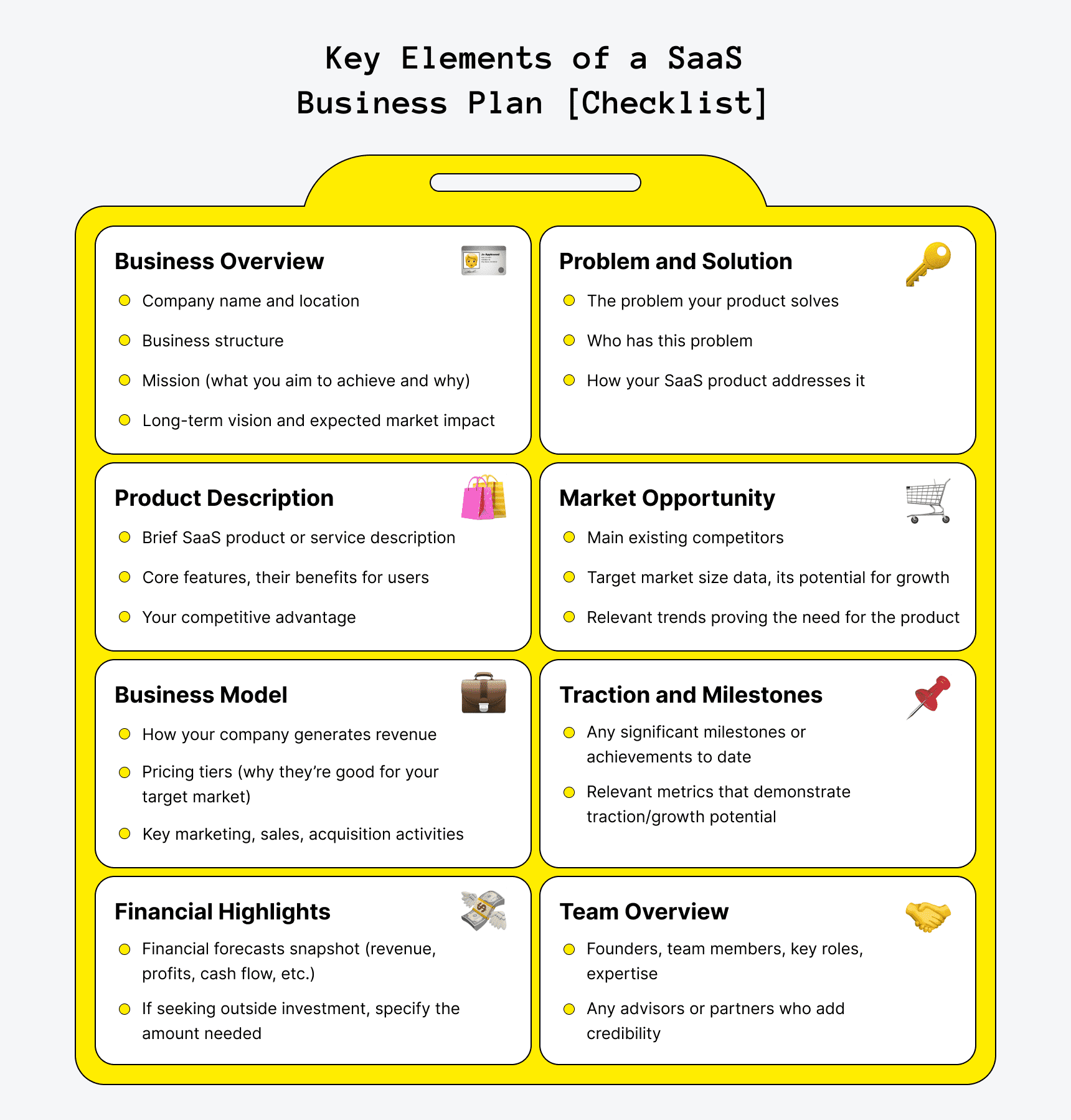
The realm of Software as a Service (SaaS) has revolutionized the way businesses operate, allowing for unprecedented scalability and flexibility. With a fresher approach to software delivery, SaaS startups emerge daily, each aiming to grab the attention of investors keen on innovative ideas. However, not all startups achieve the funding they seek. In this case study, we will dissect a specific SaaS startup that missed key investor criteria in their business plan, highlighting lessons learned that can serve as a guide for future entrepreneurs.
Introduction to the Startup Landscape
Before we dive into the case study, it’s essential to understand the competitive terrain of the SaaS startup ecosystem. According to various industry reports, the SaaS market is projected to grow to $623 billion by 2023. In such a thriving environment, distinguishing your startup from the myriad competitors is crucial. This involves not only having a robust product or service but also presenting a business plan that resonates with potential investors.
The SaaS Startup: A Brief Overview
For this study, we’ll refer to the hypothetical SaaS startup as “CloudSync,” a company offering a cloud-based project management tool designed to streamline team collaboration. CloudSync boasted several innovative features, including real-time updates, task automation, and an intuitive user interface. Looking to secure a $1 million investment to scale operations, CloudSync’s founders prepared an elaborate business plan aimed at addressing their market needs.
Key Investor Criteria
Navigating the landscape of startup funding means understanding what investors look for when reviewing business proposals. Here are some of the key investor criteria that CloudSync’s founders overlooked:
- Market Validation: Investors want to see proof that potential customers are interested in the product.
- Revenue Model: A clear understanding of how the business plans to make money is non-negotiable.
- Scalability: Investors favor businesses that can grow without proportional increases in costs.
- Competitive Analysis: Identifying competitors and demonstrating awareness of market positioning is vital.
- Team Background: Investors often consider the experience and expertise of the founding team to ensure that they can execute the business plan effectively.
Analyzing CloudSync’s Business Plan
1. Lack of Market Validation
One of the core elements of any successful business plan is market validation. CloudSync’s founders presented optimistic projections based on their industry experience but failed to back these numbers with solid market research or focus group data. Without tangible evidence that the product met customer needs, investors remained skeptical.
Lesson Learned: Conduct thorough market research, leveraging surveys and interviews to collect data that substantiates your claimed market demand.
2. Unclear Revenue Model
CloudSync proposed a freemium model, intending to attract users with a free version while charging for additional premium features. However, the business plan did not detail how they would convert free users into paying customers. Investors favor a clearly defined revenue model that demonstrates profitability and sustainability.
Lesson Learned: Clearly articulate your revenue strategy, including potential pricing models and customer conversion tactics. Having a well-defined financial projection can greatly enhance investor confidence.
3. Insufficient Scalability Plan
Scalability is crucial for SaaS businesses, and CloudSync missed the mark in presenting how it could grow without significantly increasing costs. While they discussed user growth, they did not provide a solid strategy for scaling their operations efficiently. Investors need to know that once the initial users are onboarded, the business can expand sustainably.
Lesson Learned: When presenting your business plan, highlight the strategies and tools that will aid in scalability, such as cloud infrastructure and automated processes.

- Overcome negative thought patterns, reduce stress, and live a worry-free life
- Overthinking is the biggest cause of unhappiness
- Don't get stuck in a never-ending thought loop
- Stay present and keep your mind off things that don't matter, and never will
- Break free of your self-imposed mental prison
4. Weak Competitive Analysis
CloudSync included a brief mention of competitors but neglected to discuss how they differentiated themselves in the market. Investors appreciate an in-depth understanding of the competitive landscape and want to know how the startup plans to stand out among established players.
Lesson Learned: Conduct an exhaustive competitive analysis, detailing key competitors, their strengths and weaknesses, and your unique value proposition. This should also include a strategy for gaining market share.
5. Team Background
While CloudSync’s founders had industry experience, they did not provide sufficient detail about their backgrounds or that of their team members. Investors typically want to invest in people as much as the product. The absence of credentials or relevant achievements gave investors doubt about the team’s capabilities to execute the business plan.
Lesson Learned: Include detailed bios of the founding team and key personnel, highlighting relevant experience and past successes. This builds trust and confidence with potential investors.
Exploring the Investor Perspective
Investors often have limited time to evaluate business plans, so it is essential for startups to grab their attention quickly. In CloudSync’s case, the lack of concrete data, a clear revenue model, and a well-thought-out team profile made it easy for potential investors to dismiss the proposal. Understanding the investor’s viewpoint is vital to improving your pitch.
Conclusion: Turning Hurdles into Stepping Stones
While CloudSync did not secure the desired funding, the experience was one of immense learning that can serve as guidance for other SaaS startups. Missing key investor criteria does not mark the end of the road; instead, it presents opportunities for reflection and improvement. Each misstep can provide invaluable insights:
- Conduct thorough market validation to support claims.
- Have a clear revenue model that outlines all potential income streams.
- Design a scalability plan that is sustainable.
- Analyze competitors in detail to establish a unique market presence.
- Accentuate the strengths and backgrounds of your team members.
Moving Forward: Steps for Success
For SaaS startups looking to attract investors, following up on the lessons learned from CloudSync is vital. Here are actionable steps to consider:
- Engage with Your Audience: Build a minimum viable product (MVP) to gather user feedback, which can provide market validation.
- Detail Your Offering: Clearly articulate your pricing model, user acquisition costs, and revenue forecasts in your business plan.
- Invest in Growth Strategies: Explore investment in cloud infrastructure and automation tools to present a compelling scalability plan.
- Competitor Mapping: Create a comprehensive competitive landscape that informs your positioning strategy.
- Showcase Your Team: Invest time in crafting persuasive bios that highlight the backgrounds and applicable experiences of your team.
Final Thoughts
Navigating the complexities of securing investment in the SaaS sector can be challenging. However, by refining your business plan and addressing common pitfalls, you can significantly enhance your chances of capturing investor interest. Remember, every setback is a chance for growth. Adapt, learn, and move forward with renewed perseverance.
Whether you’re a seasoned entrepreneur or an aspiring founder, keeping these insights in mind will better position you in the competitive SaaS landscape. By understanding what investors seek and crafting a compelling narrative around your business proposition, your startup could very well be the next investment success story.
Embrace the journey, learn from past errors, and let your vision drive you to succeed. Happy pitching!


