
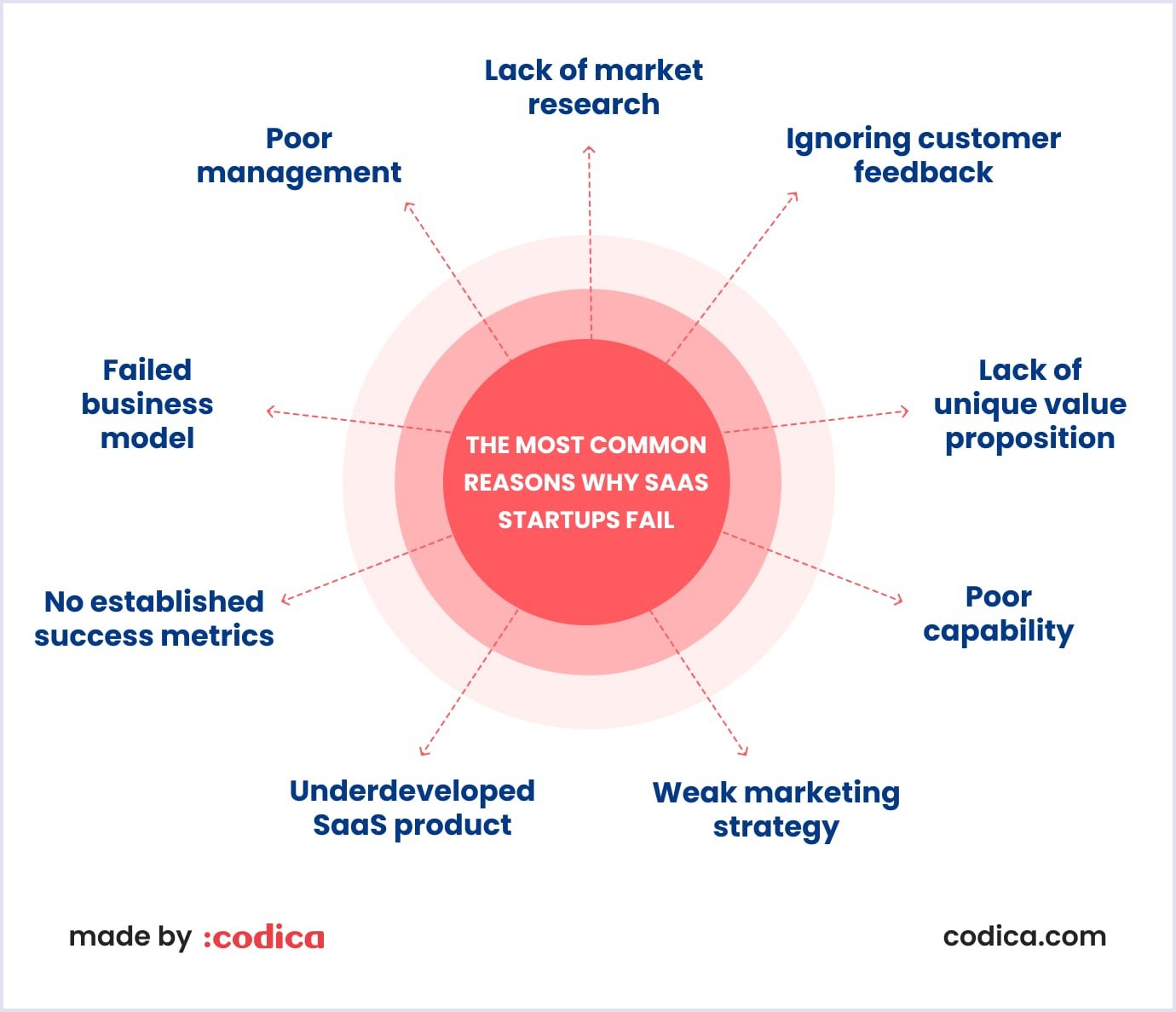
In today’s rapidly evolving digital landscape, Software as a Service (SaaS) startups are becoming a popular choice for entrepreneurs seeking to tap into the tech industry. However, not every SaaS business plan leads to success. With a plethora of software solutions competing for attention, understanding the common reasons behind failures can be essential for aspiring entrepreneurs. In this article, we’ll delve into the critical mistakes that can derail a SaaS startup, supported by real-world examples and actionable insights.
Understanding the SaaS Model
Before we dive into our analysis, it’s essential to have a clear understanding of the SaaS business model. SaaS refers to software solutions that are hosted in the cloud and offered to customers on a subscription basis. This model allows businesses to reduce their upfront investment in software, making it appealing to small businesses and startups alike. While the advantages of the SaaS model include flexibility, low costs, and scalability, it’s also ripe with challenges that, if not addressed, can spell doom for nascent companies.
Common Pitfalls in SaaS Startup Business Plans
- Lack of Market Research
One of the most foundational elements of any business is understanding the target market. A common misstep for many failed SaaS startups is insufficient market research. Entrepreneurs may be passionate about their idea but neglect to validate whether there is a real demand for their product.
Case Study: Quibi
Quibi was a streaming service designed to cater to mobile users with short-form videos. Despite raising $1.8 billion, it shuttered just six months after launch. The lack of extensive market research into viewer habits and expectations contributed heavily to its downfall. In their desire to disrupt the market, the founders overlooked existing competition and failed to understand what users wanted.
Actionable Insight: Conduct thorough market research before finalizing your business model. Utilize surveys, focus groups, and data analytics to gain insights into customer preferences and behaviors.
- Undefined Value Proposition
A SaaS startup’s value proposition should clearly articulate what makes it unique and why customers should choose it over competitors. Unfortunately, many startups do not define their value propositions adequately.
Case Study: Humin
Humin, an address book app, aimed to provide a smarter way to manage contacts. However, the app lacked a clear value proposition, causing potential users to find it difficult to understand its benefits over traditional contact management solutions. Eventually, it faded out due to a lack of user engagement and retention.
Actionable Insight: Your startup should have a concise and compelling value proposition that communicates the benefits of your product effectively. Consider using customer testimonials and real-world use cases to make your message resonate.
- Inadequate Funding Strategy
Obtaining sufficient funding is crucial for any startup, but it’s particularly important for SaaS companies, which often require significant upfront investment for development, marketing, and infrastructure. Many startups underestimate the costs involved.
Case Study: Winestyr
Winestyr, an online wine sales platform, struggled to secure enough funding to build its operations and sustain itself long enough to attract a large user base. The lack of a robust funding strategy ultimately led to its demise. Entrepreneurs often overlook how long it can take to secure customers, and without sufficient capital, the dream can quickly become a nightmare.
Actionable Insight: Be realistic about your funding needs and have a comprehensive business plan that projects costs and timelines. Make sure to include contingency funds to account for unforeseen expenses.
- Poor User Experience (UX)
User experience is paramount, especially for SaaS solutions, where the product is accessed regularly over time. Startups must prioritize usability in their software development process. Poor user experience can lead to high churn rates and damage customer loyalty.
Case Study: Yik Yak
Yik Yak was a social media app that allowed users to post anonymously within a 5-mile radius. While it initially gained popularity, users soon became frustrated with the app’s lack of moderation, leading to bullying and harassment. Poor UX, driven by inadequate community guidelines, drove users away, ultimately resulting in a steep decline in active users.
Actionable Insight: Invest in user experience research, including A/B testing and usability studies. Gather feedback from real users to refine your product continuously.
- Ineffective Marketing Strategies
Even the best product can fail if no one knows about it. Startups often struggle to implement effective marketing strategies, either due to budget constraints or a lack of understanding of their audience.
Case Study: Color
Color, a health technology startup, had a huge payroll and marketing budget, but it failed to connect with its audience meaningfully. Traditional marketing tactics didn’t resonate, and the product was overshadowed by competitors who were more in touch with their demographic.

- Overcome negative thought patterns, reduce stress, and live a worry-free life
- Overthinking is the biggest cause of unhappiness
- Don't get stuck in a never-ending thought loop
- Stay present and keep your mind off things that don't matter, and never will
- Break free of your self-imposed mental prison
Actionable Insight: Develop a comprehensive marketing strategy that aligns with your target audience. Utilize digital marketing channels like social media, email marketing, and content marketing; prioritize reaching out to your niche market.
- Scalability Issues
Many SaaS startups fail to plan for scalability, not considering how they would handle rapid growth. A business model that works for your launch phase might not be sustainable as you grow.
Case Study: Eucalyptus
Eucalyptus was a healthcare company that started with promising ideas but failed to scale operations effectively. As usage increased, technical constraints led to service outages and poor customer support, frustrating existing users and deterring potential customers.
Actionable Insight: Create a growth plan that prepares your SaaS for scalability. This includes investing in cloud infrastructure, hiring a robust customer support team, and developing processes that adapt to increased demand.
- Ignoring Customer Feedback
Customer feedback is invaluable for any business to thrive, and many startups fall into the trap of neglecting this asset. This oversight leads to products that do not meet user needs or expectations.
Case Study: Google Wave
Google Wave was an innovative collaboration tool that ultimately failed to gain traction. Despite its promising features, the product launched without enough user feedback, leading to confusion among its users about its intended use case.
Actionable Insight: Establish channels for continuous customer feedback during and after the development phase. Use revision cycles to improve the product based on real user experiences.
- High Customer Acquisition Costs (CAC)
If acquiring customers becomes too expensive, even successful startups can run into trouble. Many SaaS startups underestimate the cost it takes to attract and retain customers, leading to an unsustainable business model.
Case Study: Bump
Bump was an app designed to share contact information by bumping phones together. Initially popular, the startup struggled to achieve sustainable customer acquisition. Eventually, they found themselves with a dwindling user base as acquisition costs outpaced user growth.
Actionable Insight: Calculate your customer acquisition cost accurately and compare it against the lifetime value of your customers (LTV). Use strategies that balance those numbers effectively.
- Overcomplicating the Product
While innovation is essential in tech, overloading your SaaS product with excessive features can dilute its primary purpose. Complexity can deter users who seek straightforward solutions.
Case Study: Everpix
Everpix was intended to be a simple photo storage tool but ended up becoming overly complicated with features that didn’t resonate with its primary user base. The overload of options led to user frustration, and eventually, the service was discontinued.
Actionable Insight: Focus on core features that solve your target audience’s primary pain points. Ensure your software remains user-friendly as you develop new functionalities.
How to Enhance Your SaaS Business Plan
In addition to avoiding common pitfalls, incorporating best practices into your SaaS business plan can significantly improve your chances of success.
-
Regularly Revisit Your Business Model: As technology and market trends evolve, so should your business model. Regular evaluations encourage agility and adaptability.
-
Seek Mentorship and Guidance: Connect with seasoned entrepreneurs in the SaaS space to gain insights and advice. Learning from their experiences can help you navigate challenges more effectively.
-
Invest in Team Development: Your team should embody the vision of your startup. Ensure that they are well-trained and empowered to contribute to your startup’s growth.
-
Establish Strong Customer Relationships: Prioritize building relationships with your users. Engagement, community-building, and top-notch customer service can lead to long-term loyalty.
Conclusion: Key Takeaways for Aspiring SaaS Entrepreneurs
Building a successful SaaS startup is a challenging endeavor filled with opportunities and risks. Learning from the mistakes of failed ventures is crucial for aspiring entrepreneurs. By investing time in market research, defining a clear value proposition, implementing effective marketing strategies, and prioritizing user experience, you’ll be better equipped to navigate the complexities of the SaaS landscape.
Understanding the common pitfalls and how to mitigate them can set your startup on a path to success. Remember, innovation paired with a solid business foundation often leads to the most rewarding journeys. Armed with the insights from this analysis, you can build a SaaS business plan that withstands the tests of time and competition. After all, the digital world is constantly changing, and so too should your strategies for success.


