
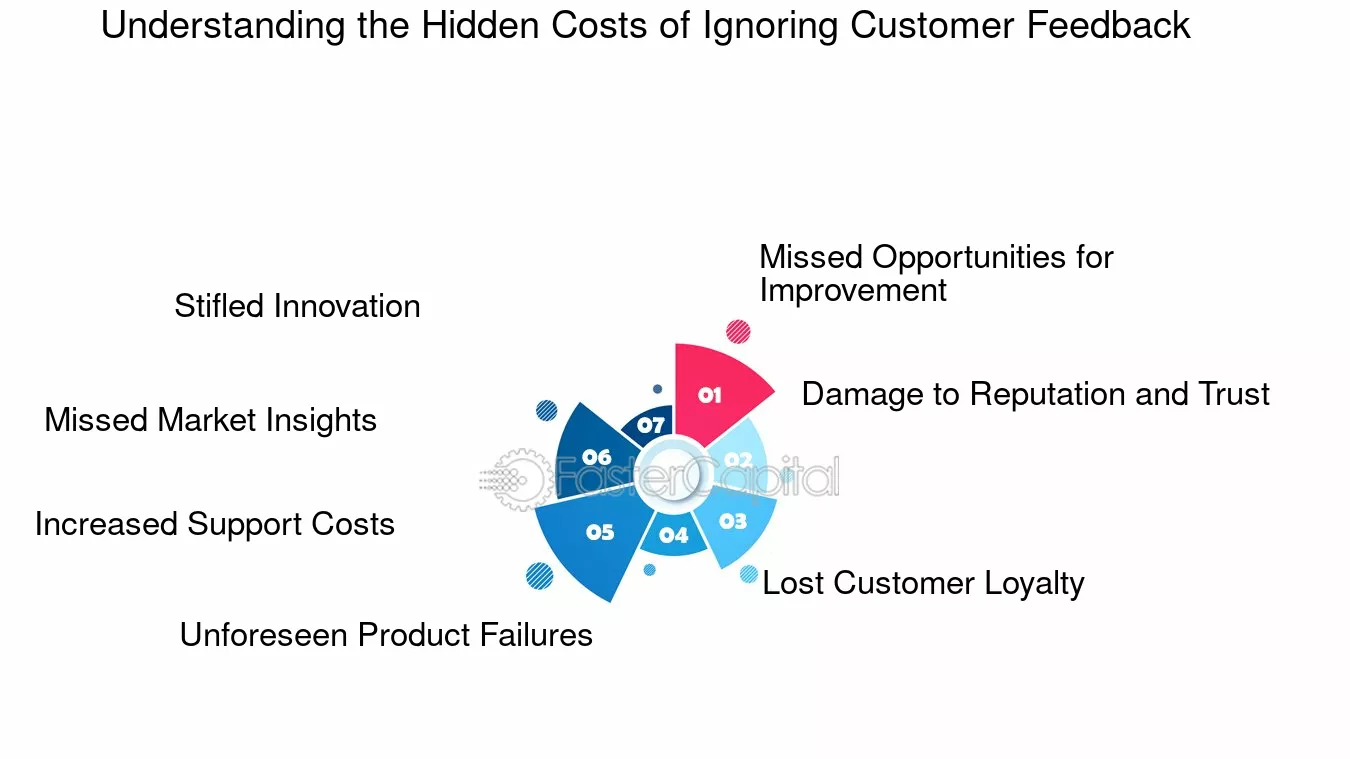
In today’s rapidly evolving software as a service (SaaS) industry, feedback from customers can mean the difference between success and failure. As companies strive to innovate and remain competitive, understanding the voice of the customer has never been more crucial. Ignoring customer feedback can lead to severe pitfalls that can jeopardize a SaaS business’s long-term viability. In this article, we will delve into the essential reasons why customer feedback is vital to SaaS business planning and explore the various pitfalls that await those who choose to overlook this fundamental resource.
Why Customer Feedback Matters
Before we explore the consequences of neglecting customer feedback, it’s important to understand its inherent value. Customer feedback serves as a powerful tool for SaaS businesses, acting as a compass that guides product development and marketing strategies. There are several critical reasons why customer feedback should be at the forefront of any SaaS planning process:
1. Identifying Pain Points
Customer feedback reveals valuable insights into the challenges and pain points users experience while interacting with your software. By analyzing these insights, companies can address existing issues and improve user experience. Ignoring this feedback means allowing those pain points to persist, potentially alienating users and driving them toward competitors.
2. Driving Product Innovation
SaaS businesses thrive on innovation. However, innovation must be driven by genuine customer needs, not just guesswork. Direct feedback helps companies understand what features their users genuinely want. Without this input, businesses risk wasting resources on features that may not resonate with their audience.
3. Enhancing Customer Satisfaction
Happy customers are more likely to remain loyal and advocate for your brand. Listening to customer feedback demonstrates that you value their opinion and are willing to make adjustments based on their suggestions. Ignoring feedback can create dissatisfaction, leading to increased churn rates.
4. Informing Marketing Strategies
Customer feedback can also inform marketing strategies. Understanding what customers love about your product allows you to craft targeted messaging that resonates with potential users. Neglecting input can result in marketing efforts that miss the mark, wasting time and resources.
The Consequences of Ignoring Customer Feedback
Now that we’ve established the importance of customer feedback, let’s delve into the pitfalls of ignoring it and the potential consequences that could follow.
1. Wasted Resources
One of the most immediate consequences of ignoring customer feedback is the potential waste of resources. When SaaS businesses roll out new features or products without seeking customer input, they run the risk of allocating time, money, and effort towards developments that might ultimately be ineffective or unwanted. This misallocation can be detrimental to profitability and hinder growth.
2. Increased Churn Rates
Customer retention is critical for the success of any SaaS business. When customers feel their feedback is being ignored, they may start looking for alternatives that better meet their needs. Increased churn rates can lead to heavy revenue losses and disrupt the financial stability of the business.
3. Stagnation in Product Development
Without the insights that come from customer feedback, product development may stagnate. Businesses might find themselves trapped in a cycle of rolling out features that appeal to their own opinions rather than actually addressing customer needs, resulting in a lack of engagement with users and potential drop-offs in subscriptions.
4. Loss of Competitive Advantage
The SaaS market is incredibly competitive, with many companies vying for attention and market share. Ignoring customer feedback can cause businesses to fall behind their competitors, who may be adept at leveraging customer insights to refine and improve their offerings. The inability to adapt and innovate based on user needs can be a recipe for failure in a saturated market.

- Overcome negative thought patterns, reduce stress, and live a worry-free life
- Overthinking is the biggest cause of unhappiness
- Don't get stuck in a never-ending thought loop
- Stay present and keep your mind off things that don't matter, and never will
- Break free of your self-imposed mental prison
5. Damage to Brand Reputation
A brand’s reputation is one of its most significant assets. When users feel ignored, they may share their experiences publicly, potentially damaging your brand’s reputation. Negative reviews and feedback on social media or software review platforms can deter potential customers from engaging with your business.
6. Missed Opportunities for Upselling and Cross-Selling
Customer feedback can reveal opportunities for upselling and cross-selling. For instance, if users express interest in certain features or integrations, this could be a perfect opportunity for businesses to package these offerings into new pricing plans. Ignoring this feedback can lead to lost revenue opportunities.
7. Inaccurate Market Positioning
If a SaaS company does not consider customer feedback, it may end up mispositioning itself in the market. This misalignment can result in targeting the wrong customer segments or failing to appeal to the core audience’s desires. Consequently, marketing efforts may not yield the desired results, leading to inefficient use of marketing budgets.
Best Practices for Incorporating Customer Feedback
To avoid the pitfalls of ignoring customer feedback, here are some best practices SaaS businesses can implement:
1. Create Feedback Channels
Make it easy for customers to provide feedback by establishing multiple channels, such as in-app surveys, email requests, and community forums. Encourage customers to share their thoughts and experience with your product.
2. Analyze Feedback Regularly
Gathering feedback is only the beginning. Companies should make it a habit to analyze and act upon the insights they gather. Use tools and software dedicated to customer feedback analysis to identify trends and pain points.
3. Prioritize Customer Engagement
Engaging with customers and maintaining an open line of communication is essential. Host Q&A sessions, webinars, and community discussions to foster dialogue. Showing customers that their input is valued can lead to more constructive feedback.
4. Involve Customers in Development Processes
For significant updates or new features, involve customers in the development process through beta programs or early access. This practice not only fosters loyalty but also ensures that the final product is fine-tuned based on user specifics.
5. Utilize Customer Feedback Platforms
Leverage customer feedback platforms like UserVoice, Qualaroo, or Zendesk to streamline the collection and management of feedback. These tools allow for more organized and systematic analysis and can help prioritize features based on user demand.
6. Measure the Impact of Changes
Once changes are made based on customer feedback, measure their impact on user satisfaction and engagement. Gathering analytics and conducting follow-up surveys can help identify whether the adjustments have achieved the desired outcomes.
7. Continuous Improvement
Customer feedback is not a one-time exercise; it should be part of a continuous improvement cycle. Regularly revisit customer opinions, even for established products, to adapt to evolving needs and preferences.
Conclusion
Ignoring customer feedback in SaaS business planning is a gamble that is likely to end poorly. The pitfalls—from wasted resources and increased churn to reputational damage and missed opportunities—are far too significant to overlook. By valuing and strategically incorporating customer feedback into business processes, SaaS companies can harness the voice of the customer to drive innovation, enhance user experience, and ultimately create a sustainable competitive advantage.
As businesses strive to adapt to the ever-changing landscape of the SaaS industry, customer feedback will remain an essential element of successful planning and execution. The future of any SaaS company depends on listening to its customers, understanding their needs, and continuously refining products and services to exceed expectations. In a world where customer loyalty is hard-won, listening to what users have to say is not just smart; it’s necessary for survival.


