
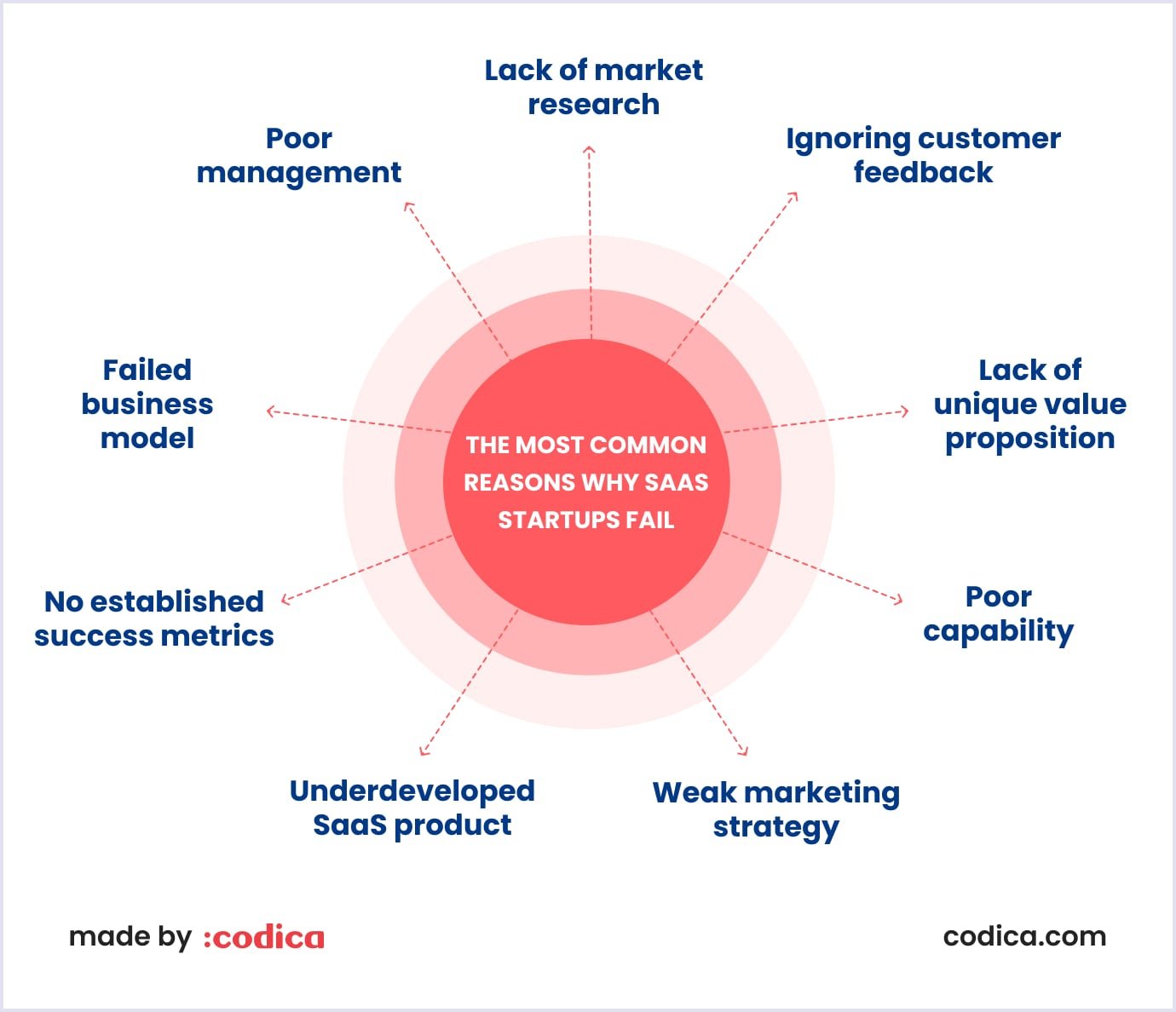
In the ever-evolving world of Software as a Service (SaaS) startups, the right foundation can make all the difference between success and failure. Business plans serve as the blueprints for these budding companies, but not every plan hits the bullseye. Understanding what went wrong with unsuccessful business plans can provide valuable insights for new SaaS entrepreneurs. In this article, we’ll delve into the common pitfalls of business plans gone awry and explore the lessons SaaS startups can take away from these experiences.
The Importance of a Solid Business Plan
A business plan is more than just a document; it’s a roadmap for your startup’s future. It outlines your company’s vision, values, market strategy, competitive analysis, revenue model, and operational plans. For SaaS startups, a well-crafted business plan can be instrumental in attracting investors, guiding strategic decisions, and setting achievable goals.
However, many startups fail to recognize that a good business plan is a living document that requires constant revision and adjustment. Learning from the mistakes of others serves as a valuable tool in creating a sustainable action plan.
The Risks of Overly Ambitious Projections
One of the most common mistakes found in disastrous business plans is unrealistic financial projections. Startups often overestimate their growth potential, projecting exponential growth that isn’t substantiated by their product, market conditions, or customer base.
Lesson Learned: Set Realistic and Evidence-Based Projections
SaaS startups should approach projections with caution. Conduct thorough market research, analyze competitors, and use historical data to forecast growth realistically. Instead of shooting for the stars, focus on steady, manageable growth. Overestimating potential can lead to severe cash flow issues, loss of investor confidence, and ultimately, business failure.
Ignoring the Target Audience
Another frequent misstep seen in struggling business plans is a lack of clarity regarding the target audience. Entrepreneurs may create products they are passionate about without identifying the actual needs and problems of their potential customers.
Lesson Learned: Clearly Define Your Target Market
To build a successful SaaS startup, you must know your audience inside out. Develop detailed customer personas that address their needs, preferences, pain points, and how your solution fits into their lives or businesses. Conduct surveys, interviews, and interaction with potential users. The clearer your understanding of your target market, the more effectively you can tailor your product and marketing strategies to attract and retain customers.
Neglecting Competitive Analysis
Too often, startups underestimate the competition or fail to perform adequate competitive analysis. This lack of understanding can lead to missed opportunities and blind spots that leave businesses vulnerable.
Lesson Learned: Conduct Thorough Competitive Research
Your business plan should feature a comprehensive competitive analysis detailing not only who your competitors are but also their strengths and weaknesses. Identify gaps in the market that your SaaS product can fill, and be prepared to differentiate your offering based on value, features, or customer service. Understanding the competitive landscape can not only enhance your positioning but will also sharpen your sales and marketing strategies.
Overlooking Scalability
Many SaaS startups plan for their initial launch phase but overlook long-term scalability. They may create a business model that only accounts for short-term growth, without considering how the product will evolve as the customer base increases.
Lesson Learned: Plan for Scalability from Day One
It’s essential to integrate scalability into your business model from the beginning. This includes choosing the right technology stack, building an adaptable infrastructure, and automating processes wherever possible. When you’re ready to scale, you need to ensure your technology and operations can support increased demand without compromising quality or customer satisfaction.
Failing to Adapt to Market Changes
The business landscape is constantly shifting, and many SaaS startups fail to thrive because they don’t adapt their business plans in response to changing market conditions or technological advancements.

- Overcome negative thought patterns, reduce stress, and live a worry-free life
- Overthinking is the biggest cause of unhappiness
- Don't get stuck in a never-ending thought loop
- Stay present and keep your mind off things that don't matter, and never will
- Break free of your self-imposed mental prison
Lesson Learned: Stay Agile and Flexible
Adopting an agile approach to your business plan allows you to pivot quickly as necessary. Regularly review and update your plan based on feedback, user data, and industry trends. Encourage a culture of innovation within your team, where employees feel empowered to share insights and suggest adaptations to the business strategy.
Skipping Marketing Strategy
One of the biggest oversights in some business plans is neglecting to create a coherent marketing strategy. Some entrepreneurs might assume that if they build a great product, customers will automatically come. Unfortunately, that’s not the reality of the SaaS landscape.
Lesson Learned: Develop a Robust Marketing Plan
Create a comprehensive marketing strategy that outlines your plan for reaching your target audience. This should include content marketing, social media marketing, SEO strategies, email campaigns, and possible partnerships with other businesses. Evaluate which channels will be most effective for your audience and allocate your budget wisely.
Underestimating Customer Support
Successful SaaS companies know that excellent customer support is a key differentiator in a crowded market. However, many startups fail to outline a strong customer support plan in their business documents.
Lesson Learned: Prioritize Customer Support
From the outset, provide clear guidelines for onboarding and support processes. Invest in creating a knowledgeable support team equipped to handle customer inquiries and complaints. Keep in mind that happy customers are your best marketing tool, as they will refer others to your service—directly contributing to your growth.
Failing to Establish KPIs
Some business plans neglect to address key performance indicators (KPIs) that are essential for tracking progress and defining success. Without measurable goals, it’s challenging to know whether the business is on the right track.
Lesson Learned: Identify and Track KPIs
Select relevant KPIs that align with your business objectives—these can include customer acquisition cost (CAC), customer lifetime value (CLV), churn rate, and monthly recurring revenue (MRR). Regularly monitor these metrics to assess performance and make informed decisions about where to allocate resources and adjust strategies.
Ignoring Legal Compliance
Many new business owners overlook the legal aspects of running a SaaS company. Ignorance of licensing requirements, data privacy laws, and customer agreements can lead to costly legal headaches down the road.
Lesson Learned: Understand Legal Requirements
Take the time to research and understand the legal landscape surrounding your SaaS business. Engage with a legal expert to ensure compliance with industry regulations, especially in areas like data protection (e.g., GDPR, CCPA) and intellectual property. Establishing these frameworks early on will help avoid potential pitfalls in the future.
Conclusion: Building a Stronger SaaS Startup
Learning from the mistakes of failed SaaS startups can offer precious lessons for new companies looking to carve their space in the competitive market. By avoiding overly ambitious projections, clearly defining target audiences, and conducting thorough competitive analysis, new startups can create more effective business plans.
Additionally, prioritizing scalability, adaptability, marketing strategies, customer support, tracking KPIs, and understanding legal compliance are crucial for long-term success. Pay attention to the experiences of others; integrate these lessons into your business plan, and pave the way for a thriving SaaS venture.
Ultimately, the road to success in the SaaS world is littered with failures, but you can transform those failures into valuable learning experiences. Use this knowledge to refine your approach, embrace flexibility, and launch a startup that not only survives but thrives in today’s digital economy. Keep assessing the market trends, leveraging technology, and listening to your customers, and your SaaS startup may just be the next big success story.


