
In the fast-evolving landscape of Software as a Service (SaaS) companies, freemium models have emerged as a powerful marketing strategy that can lead to exponential growth and customer engagement. A striking example of this approach is Dropbox, the cloud storage giant that not only offers a reliable service but has also ingrained itself into the fabric of our digital lives. In this article, we will delve into the role of freemium models in SaaS success, highlighting key insights from Dropbox’s strategy and what aspiring SaaS entrepreneurs can learn from it.
Understanding Freemium Models
Before we dive into Dropbox’s specific strategies, let’s clarify what a freemium model entails. A freemium business strategy is a hybrid between a free service and a premium service. Essentially, companies offer a basic version of their product at no cost, while charging for advanced features, services, or additional usage. The idea is to attract a large user base and convert a percentage of these users into paying customers. This model has been particularly successful in the SaaS landscape, where trust, trial, and user experience play pivotal roles in the purchasing decision.
The Genesis of Dropbox
Founded in 2007 by Drew Houston and Arash Ferdowsi, Dropbox began with a simple premise: making file storage and sharing easier for individuals and businesses alike. Their core offering—a seamless way to store files in the cloud and access them from anywhere—was both revolutionary and timely. However, what set Dropbox apart from its competitors was its innovative use of the freemium model.
The Attractiveness of the Free Tier
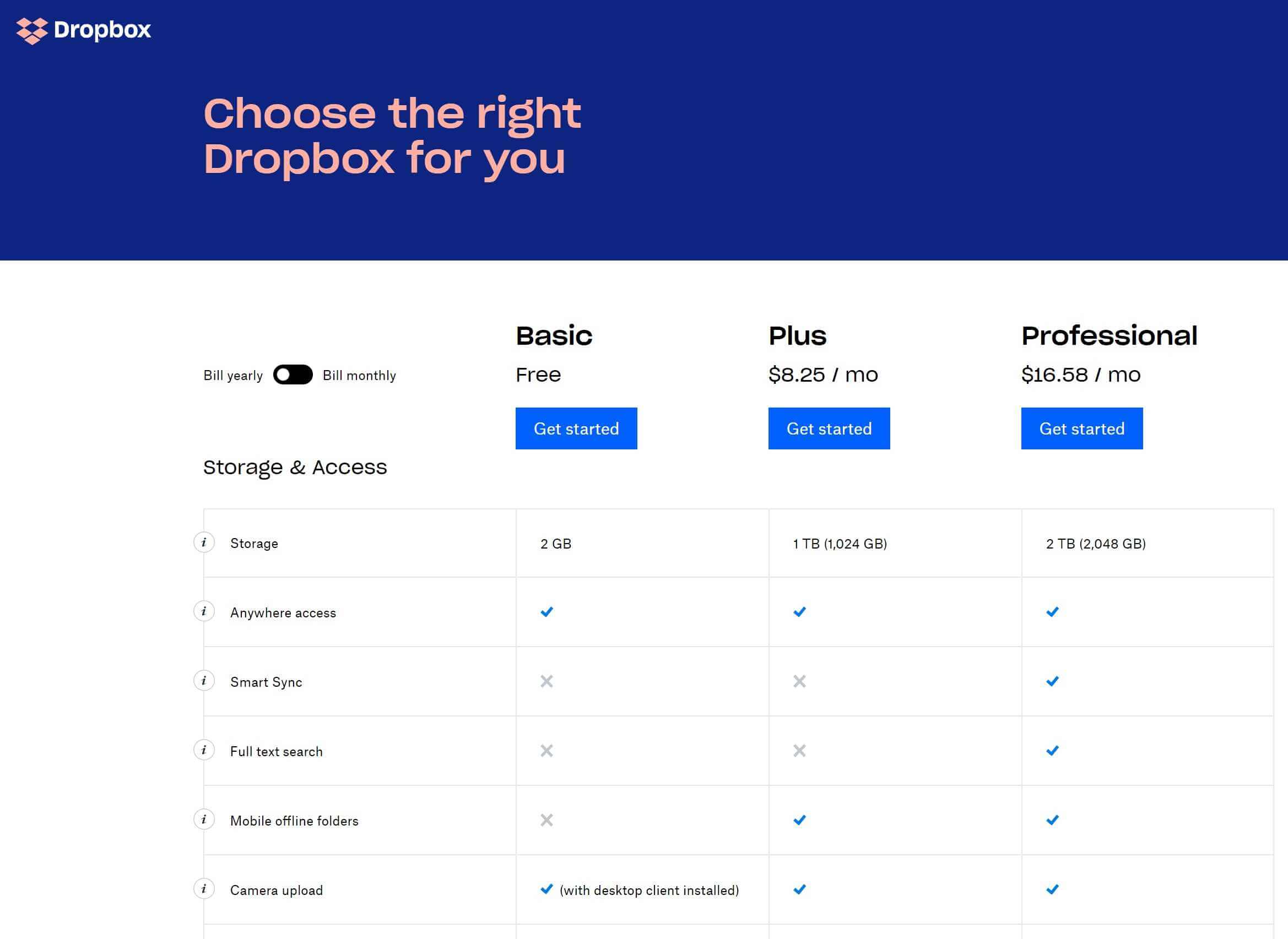
Dropbox initially offered users 2GB of storage for free. This was a strategic move, as it was enough space for casual users but limited enough that it encouraged them to upgrade for more storage. The allure of free storage can entice users to try out a service without the pressure of committing financially. And once they began using Dropbox, users quickly realized the convenience and utility of having access to their files across multiple devices.
Lessons from Dropbox: The Power of User Acquisition
1. Create a Seamless User Experience
One of the most crucial lessons from Dropbox’s rise is the importance of user experience. From the moment users create an account, they should find the software intuitive, visually appealing, and straightforward to use. A smooth onboarding process can significantly enhance retention rates. Dropbox invested in an easy-to-navigate interface and ensured that vital functionalities were readily accessible.
By providing a stellar experience to all users—free or premium—Dropbox establishes trust and satisfies users’ needs. This helps cultivate word-of-mouth marketing, which is invaluable for a freemium model. If users love their experience, they’ll be more likely to recommend the product to friends and colleagues, creating a self-sustaining cycle of growth.
2. Incentivize Upgrades
Once users are in, how does Dropbox persuade them to transition from free to paid plans? This is where strategic incentives come into play. The company effectively employs several tactics such as offering additional storage space, enhanced sharing capabilities, and improved collaboration tools within paid plans.
Moreover, Dropbox cleverly incentivizes users to invite friends by offering additional free storage when they do so. This not only encourages user engagement but also expands Dropbox’s user base, demonstrating that enhancing premium offerings can lead to faster conversion rates.

- Overcome negative thought patterns, reduce stress, and live a worry-free life
- Overthinking is the biggest cause of unhappiness
- Don't get stuck in a never-ending thought loop
- Stay present and keep your mind off things that don't matter, and never will
- Break free of your self-imposed mental prison
3. Understand Your Users
To succeed in a freemium model, it’s essential to understand your customer base. Dropbox continually analyzes user behavior to refine its offerings. By tracking how users interact with the platform, they can identify which features retain users and which ones encourage upgrades.
For instance, if users frequently reach their storage limit, it signals a need for more storage options. Understanding these patterns allows Dropbox to customize its marketing strategies accordingly, ensuring they provide value where it’s most needed.
The Role of Brand Loyalty and Trust
4. Establishing Credibility
For many users, choosing a cloud storage solution can be daunting, given the sensitivity of the data involved. Dropbox has cultivated a sense of trust over the years through transparency and reliability. This credibility is essential in converting free users into paying customers.
To instill confidence, Dropbox has implemented best-in-class security protocols, including two-factor authentication and encryption, reassuring users that their data is safe. Trust is often a decisive factor when users contemplate whether to cancel their free subscription or commit financially.
5. Build a Community
Building a community around your brand can also enhance loyalty. Dropbox has done this through its active presence on social media, blogs, and forums where user feedback is not only welcomed but encouraged. Engaging the community helps users feel more connected to the brand while providing valuable insights for continuous improvement.
This interaction can also serve as a platform for educating users on how to maximize the utility of the product, bridge gaps in understanding, and generate more profound brand affinity—all essential for conversion from free to premium.
Adapting to Market Needs
6. Evolution of the Product
One of the most important aspects of a successful SaaS freemium model is the ability to adapt. Dropbox continuously evolves its product based on changing market trends and user feedback.
For instance, as remote work and digital collaboration became increasingly prominent, Dropbox expanded its offerings by introducing tools like Dropbox Paper, enhancing the platform’s utility for teams and workplaces. Such agility is crucial for long-term success; stagnant businesses often fall behind or get lost in the competition.
Conclusion: The Future of Freemium in SaaS
In conclusion, the lessons extracted from Dropbox’s use of a freemium model illustrate that effective user acquisition strategies can yield impressive results in the competitive SaaS market. A strong user experience, strategic upgrade incentives, robust security, community engagement, and adaptability to market needs all play pivotal roles in turning free users into loyal, paying customers.
While the freemium model isn’t a guaranteed recipe for success, Dropbox’s journey serves as a compelling case study for aspiring SaaS entrepreneurs. By focusing on delivering value through user-centric offerings and emphasizing trust, any SaaS company can harness the power of freemium models to drive growth and success.
Over time, as the SaaS industry continues to expand and diversify, the understanding and application of freemium strategies will be instrumental in determining which companies thrive and which ones fade into obscurity. As you develop your own SaaS product or strategy, remember the lessons learned from Dropbox, and you may just find success in the ever-competitive arena of SaaS.


