
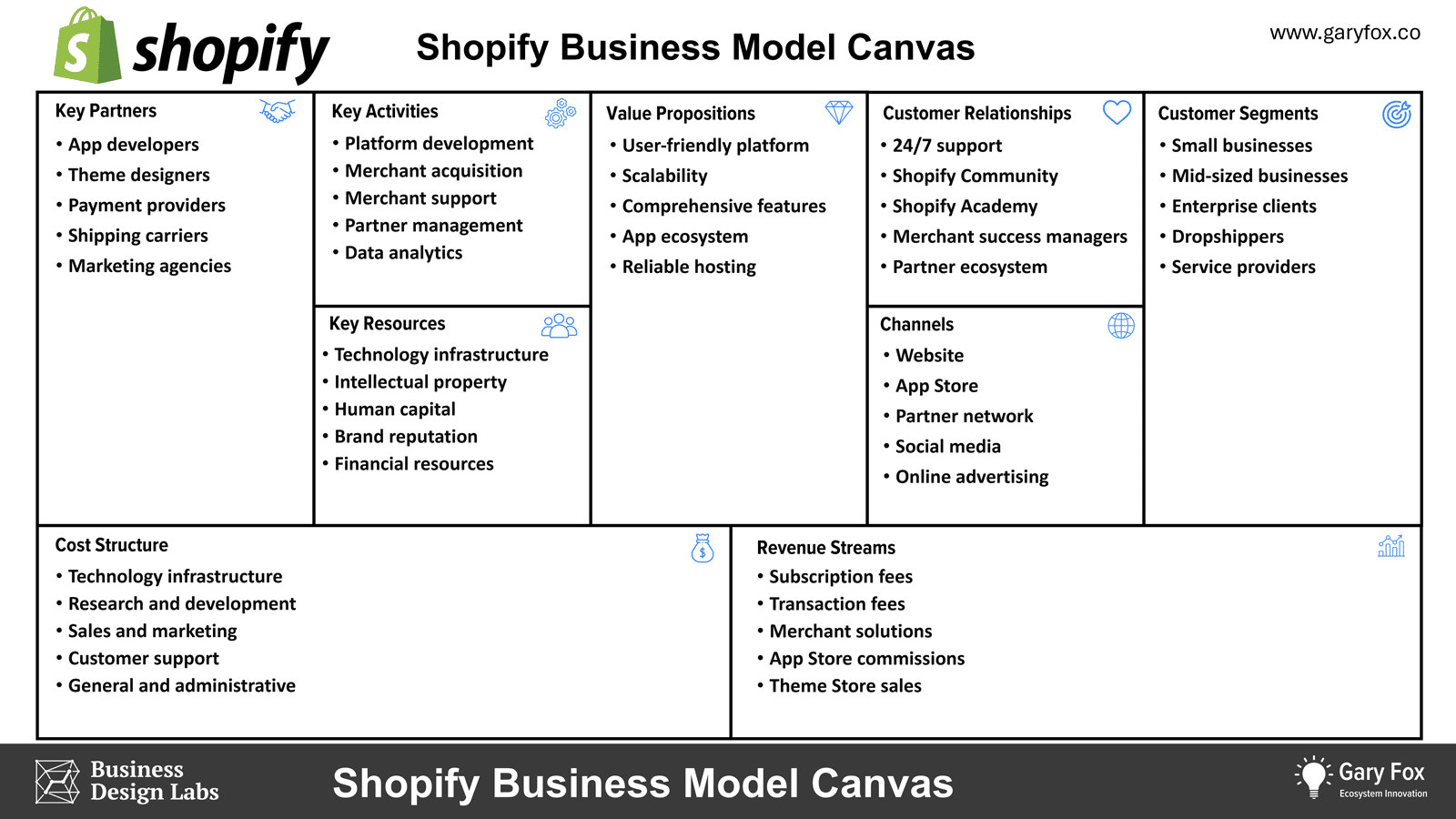
In the fast-paced world of e-commerce, adaptability is key to staying relevant and thriving in a constantly changing market. Shopify, one of the leading e-commerce platforms, has excelled in this regard, continuously evolving its Software as a Service (SaaS) business plan to meet the needs of its diverse clientele. In this article, we will delve into Shopify’s innovative strategies, how it has responded to market trends, and the impact of these changes on entrepreneurs and businesses in the digital economy.
Understanding SaaS and E-Commerce
Before diving into Shopify’s adaptations, it’s worthwhile to understand what SaaS entails and its relevance in the e-commerce space. Software as a Service is a software distribution model where applications are hosted in the cloud and made available to users over the internet. For businesses, this eliminates the need for expensive hardware and infrastructure, enabling them to scale their operations quickly and efficiently.
In the realm of e-commerce, SaaS platforms like Shopify allow entrepreneurs to build, manage, and grow their online shops with relative ease. With features like customizable templates, secure payment gateways, inventory management, and customer relationship tools, Shopify has positioned itself as a powerhouse for businesses of all sizes.
Shopify’s SaaS Business Plan: A Historical Perspective
Founded in 2006, Shopify initially catered to small businesses and individual entrepreneurs who wanted to set up online stores. Their early SaaS model was built around providing a straightforward, user-friendly platform that simplified the complexities of e-commerce. As the needs of their customers changed, Shopify realized that it needed to expand and enhance its offering, setting the stage for an impressive evolution of its business plan.
Launching New Features and Products
As e-commerce grew more competitive, Shopify began to develop features tailored to a broader range of businesses, from startups to established enterprises. By rolling out new product offerings, Shopify effectively addressed the diverse needs of merchants. Notable launches included:
-
Shopify Plus: Designed for larger, enterprise-level businesses, Shopify Plus enabled high-volume merchants to leverage more customized and scalable e-commerce solutions. This move was vital in attracting enterprises that needed advanced functionalities, including custom checkout experiences and integration with complex business systems.
-
Shopify POS (Point of Sale): As retail shopping began to merge with e-commerce, Shopify extended its services to brick-and-mortar businesses. By providing a seamless integration between online and offline sales, Shopify allowed merchants to cater to a wider customer base and provide a cohesive shopping experience.
-
Shopify Payments: In response to the growing need for simplified payment processing, Shopify developed Shopify Payments, which streamlined the payment process for merchants. This feature reduced friction and allowed businesses to accept various payment methods, including credit cards and digital wallets, without the need for third-party payment processors.
-
Shopify Apps: Recognizing that many merchants sought specific functionalities, Shopify launched its app ecosystem, allowing developers to create apps that could easily integrate into Shopify stores. This ensured that every merchant could customize their online store to meet their specific needs, further enhancing overall user satisfaction.
Emphasizing Ease of Use
One of Shopify’s significant advantages has always been its user-friendliness. However, as the e-commerce landscape evolved, so did user expectations. Businesses were looking for platforms that not only were easy to use but also included robust support and resources to drive success.
To address these challenges, Shopify invested heavily in enhancing its user experience. This involved:
-
Intuitive Design: Shopify continuously improved its interface to ensure it remained easy to navigate, even for users without technical backgrounds. This dedication to intuitive design catered to entrepreneurs who wanted to focus on their business rather than get bogged down by complex technicalities.
-
Comprehensive Resources: Understanding that many of its users are new to e-commerce, Shopify provided a myriad of educational resources, from tutorials and webinars to community forums. This support helped empower merchants, enabling them to make informed decisions and successfully grow their businesses.
-
Customer Support and Assistance: Shopify also focused on strengthening its customer support channels. The introduction of 24/7 support gave merchants peace of mind, knowing they had access to help whenever they needed it.
Responding to Market Trends
As the e-commerce landscape continues to shift, Shopify has demonstrated remarkable agility by responding proactively to emerging market trends. One such trend is the surge in mobile commerce—often referred to as m-commerce.
The Rise of Mobile Commerce
Mobile commerce has skyrocketed over the past decade, with consumers increasingly shopping via smartphones and tablets. To accommodate this trend, Shopify adapted its SaaS model by ensuring that all online stores were mobile-responsive. Additionally, they provided merchants with mobile-optimized themes and tools to engage customers effectively on mobile devices.
-
Mobile App: Shopify launched its own mobile app, allowing merchants to manage their online stores directly from their smartphones. This feature empowered business owners to stay connected to their shops while on the go, reinforcing the idea that e-commerce can be managed from anywhere.
-
Accelerated Mobile Pages (AMP): Shopify adopted AMP technology to enable faster load times for mobile users, enhancing the shopping experience and ultimately leading to higher conversion rates.

- Overcome negative thought patterns, reduce stress, and live a worry-free life
- Overthinking is the biggest cause of unhappiness
- Don't get stuck in a never-ending thought loop
- Stay present and keep your mind off things that don't matter, and never will
- Break free of your self-imposed mental prison
Embracing Social Commerce
With the proliferation of social media platforms, Shopify recognized a fundamental shift in how consumers discover products. Social media is no longer just for sharing updates; it has become a significant driver of e-commerce sales.
To tap into this trend, Shopify implemented several key strategies:
-
Integration with Social Media Platforms: By integrating with major social media platforms like Facebook, Instagram, and Pinterest, Shopify allows merchants to sell directly through these channels. This enabled businesses to reach a broader audience and engage customers where they already spend their time.
-
Shoppable Posts and Ads: Shopify merchants can create shoppable posts and ads, making it easier for consumers to purchase products directly from social media. This seamless shopping experience caters to the impulsive buying tendencies often associated with social media browsing.
Fostering Community and Collaboration
Another aspect of Shopify’s adaptation to market needs is its emphasis on fostering a strong community among merchants. E-commerce can be a lonely venture, and Shopify recognized the potential for collaboration and peer learning.
The Shopify Community
Shopify created a vibrant online community where merchants can connect, share experiences, and seek advice. Forums, discussion boards, and resources have enabled business owners to network, fostering collaboration that is invaluable for growth.
Partnering with Developers
Shopify also understood the importance of collaboration with developers and tech entrepreneurs. By creating a robust partner program, Shopify incentivized developers to create apps and themes that enhance the platform’s functionality. This not only expanded the ecosystem of tools available to merchants but also allowed Shopify to leverage the creativity and innovation of external developers.
Looking Ahead: Future Adaptations
As Shopify continues to adapt to a fast-changing marketplace, there are several upcoming trends and innovations to consider:
Artificial Intelligence and Automation
The rise of artificial intelligence (AI) is set to transform e-commerce. Shopify is already implementing AI features, such as personalized product recommendations and chatbots for customer support. These technologies can significantly enhance the customer experience and streamline operations for merchants, positioning Shopify to remain at the forefront of the e-commerce landscape.
Sustainability and Ethical Business Practices
Consumers are increasingly concerned about sustainability and ethical practices. Shopify has begun to address this market need by supporting merchants who focus on eco-friendly products and providing tools to implement sustainable practices. As the demand for transparency and ethical sourcing grows, Shopify’s commitment to sustainability will likely play a crucial role in its future business strategies.
Global Market Expansion
E-commerce is becoming increasingly global, and Shopify has recognized the need to cater to international markets. With features like multi-currency support and language localization, Shopify is poised to help merchants expand their reach beyond domestic borders, tapping into new customer bases around the world.
Conclusion
In an ever-evolving commercial landscape, adaptability is essential for success. Shopify has showcased its ability to evolve and cater to changing market needs by launching new features, responding to trends like mobile commerce and social media shopping, and fostering a collaborative environment for its users. As the e-commerce industry continues to grow and shift, Shopify remains committed to innovation and client satisfaction, ensuring that it stays a key player in the world of e-commerce SaaS solutions. Whether you’re an aspiring entrepreneur or a seasoned business owner, Shopify offers the tools and resources needed to navigate the digital marketplace successfully. As you plan your next steps in the e-commerce journey, consider how platforms like Shopify will continue to shape the future of online business.
By highlighting Shopify’s adaptive strategies and innovations, we hope to inspire entrepreneurs and business owners to embrace change, leverage technology, and maximize their potential in the dynamic world of e-commerce. The future is bright for those who are willing to adapt!


