
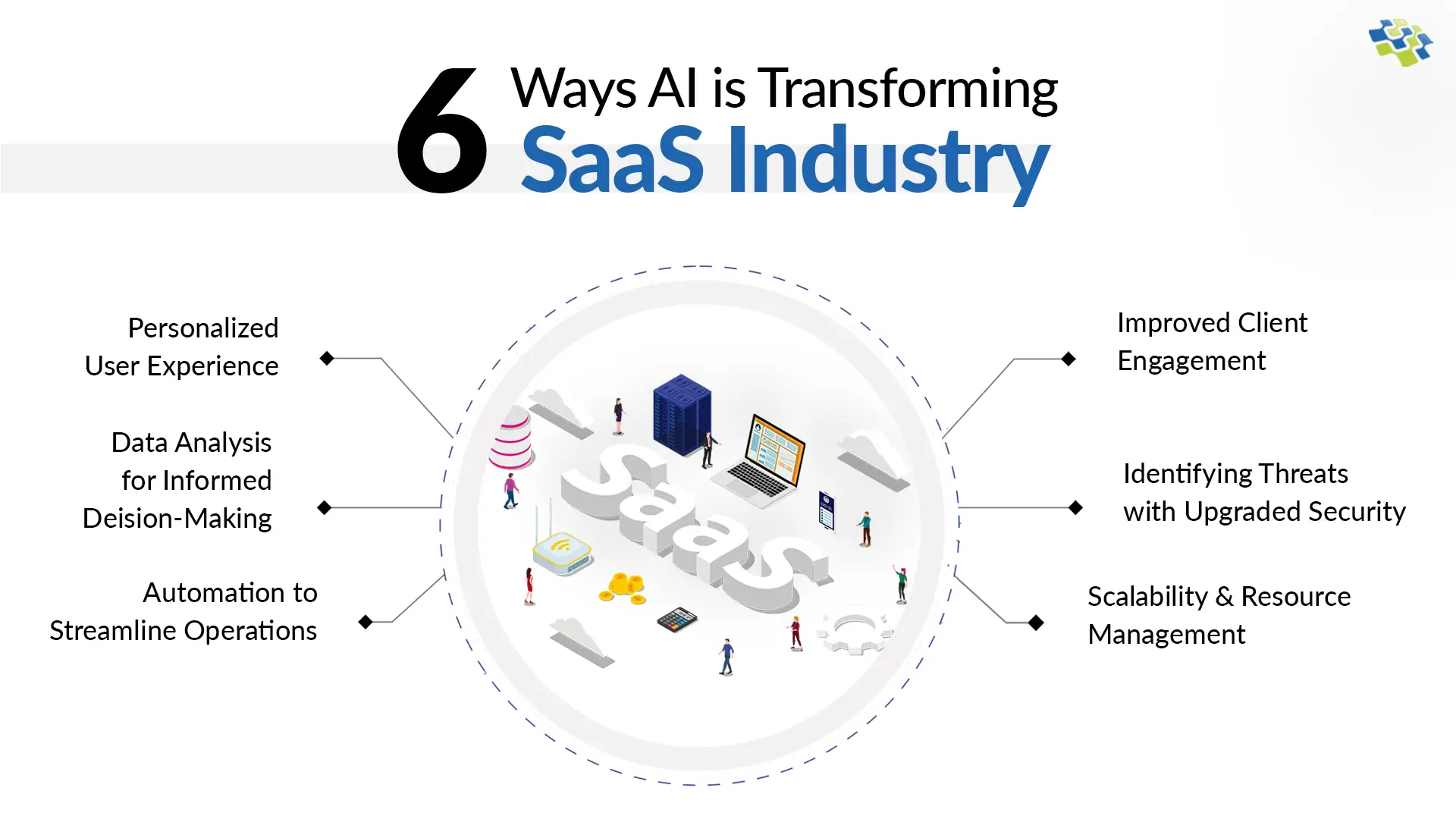
In the ever-evolving landscape of technology, business planning for Software as a Service (SaaS) companies has undergone a radical transformation, driven primarily by the capabilities of Artificial Intelligence (AI). For entrepreneurs and established tech firms alike, understanding how AI can inform strategic planning is not just beneficial; it’s essential for thriving in a competitive marketplace. This article delves into how AI-powered SaaS companies revolutionize business planning, explores critical methodologies, and highlights practical steps for enhancing operational efficiency and decision-making.
The Intersection of AI and SaaS
Before we dive into business planning strategies, let’s clarify the relationship between AI and SaaS. Software as a Service delivers software solutions via the cloud, enabling users to access applications without the need for extensive local installations. This model inherently offers companies the flexibility to scale, adapt, and respond to changing market conditions.
Artificial Intelligence, on the other hand, integrates machine learning, data analytics, natural language processing, and various algorithms into business processes. When combined with SaaS, AI can automate routine tasks, provide insights through advanced analytics, and personalize user experiences. This fusion is creating a radical shift in how companies approach strategic planning.
The Need for Smart Business Planning
In today’s fast-paced digital environment, businesses can no longer rely on traditional planning methods. Market dynamics shift rapidly, and consumer preferences can change on a dime. Consequently, there’s an increasing need for adaptable, data-driven strategies that can pivot in response to real-time insights. Here’s how AI-powered SaaS companies capitalize on this new necessity:
1. Data-Driven Insights
Data is the backbone of effective business planning. AI can process vast amounts of information from multiple sources, analyze patterns, and deliver actionable insights. SaaS companies utilize AI algorithms to extract data from user interactions, market trends, and operational metrics. The result? A deeper understanding of where to allocate resources, which products to develop, and what marketing strategies will resonate with customers.
Example: A customer relationship management (CRM) software that uses AI to analyze customer interactions can identify upsell opportunities or predict churn rates, allowing businesses to address issues proactively.
2. Predictive Modeling
One of AI’s most significant advantages lies in its predictive capabilities. By employing machine learning models, SaaS companies can forecast future trends based on historical data. This forward-looking approach to business planning minimizes risks and empowers companies to make informed decisions.
Implementation: Many AI-powered SaaS platforms now include features that allow businesses to create “what-if” scenarios. For instance, a subscription-based service can model the impact of pricing changes on customer retention and revenue, helping decision-makers evaluate potential strategies before implementation.
3. Automation of Routine Tasks
Routine tasks, such as data gathering, report generation, and basic customer interactions, can consume valuable time and resources. AI enables automation of these processes, allowing teams to focus on strategic initiatives rather than operational minutiae. Automated insights and reporting tools can also provide real-time data visualizations, making it easier to share information across the organization.
Real-world Application: A marketing SaaS platform can automate the generation of performance reports, breaking down complex data into easy-to-understand visuals for clients, thereby saving time and enhancing customer satisfaction.
4. Enhanced User Experience
In today’s service-oriented market, customer experience is paramount. AI helps SaaS companies analyze user behavior and tailor their offerings to meet specific needs. By leveraging Natural Language Processing (NLP) algorithms, businesses can enhance customer support through chatbots and virtual assistants, providing instant solutions and improving user satisfaction.
Case Study: Companies like Intercom utilize AI-driven chatbots to engage customers in real-time, answer common queries, and collect feedback. This approach not only enhances user experience but also delivers valuable data that can inform future business strategies.
Strategic Frameworks for Business Planning with AI
Incorporating AI into business planning requires a structured approach. Here are some frameworks that SaaS companies can adopt to effectively leverage AI:
1. Agile Planning Framework
Agility is essential in the SaaS industry. This framework emphasizes flexibility and continual reassessment of plans. AI enhances agile planning by providing real-time data that teams can use to pivot strategy as needed. Instead of creating an annual business plan, companies can work in shorter cycles, frequently updating goals based on new insights.

- Overcome negative thought patterns, reduce stress, and live a worry-free life
- Overthinking is the biggest cause of unhappiness
- Don't get stuck in a never-ending thought loop
- Stay present and keep your mind off things that don't matter, and never will
- Break free of your self-imposed mental prison
2. Scenario Planning
Scenario planning allows teams to prepare for multiple potential futures. By using AI-driven predictive analytics, companies can create various business scenarios, each with corresponding strategies and action plans. This method of planning acknowledges uncertainty while positioning businesses to adapt as needed.
3. KPI-Driven Framework
Key Performance Indicators (KPIs) are crucial for measuring progress. AI tools can continuously analyze KPI data, automatically flagging trends or anomalies that might require immediate attention. By combining KPI tracking with forecasting models, businesses can adjust their strategies based on objective performance metrics.
Practical Steps to Implement AI-Powered Business Planning
Moving toward an AI-enhanced business planning model can seem daunting. However, several practical steps can streamline the transition:
1. Evaluate Your Current Technology Stack
Assess your existing technology to identify gaps where AI can add value. Consider what data you’re currently collecting and how it can be utilized. Tools like CRMs, analytics platforms, and project management software should be evaluated for their AI capabilities.
2. Invest in AI Training and Development
Your workforce needs the appropriate skills to leverage AI tools effectively. Provide training for your team on how to use AI applications and interpret the data-driven insights they provide. This investment will enhance your business’s analytical capabilities and foster a culture of continuous learning.
3. Start Small with Pilot Projects
Instead of overhauling your entire business planning process, consider starting with a small pilot project. Select a specific area of your business—perhaps customer support or marketing outreach—and implement AI solutions to measure their impact. Use the insights gained to inform broader strategic decisions.
4. Collaborate with AI Experts
If your in-house team lacks the expertise, consider collaborating with AI consultants. These specialists can provide valuable insights and help integrate AI into your existing systems, ensuring that your company maximizes its investment in technology.
5. Monitor Performance and Iterate
As you implement AI tools, continuously monitor their performance. Utilize feedback loops and data which will help you refine your strategies. The beauty of using AI is its capacity to learn and adapt; harness this capability to evolve your business planning continually.
Challenges of Implementing AI in Business Planning
While the potential benefits of AI in business planning are immense, SaaS companies may encounter several challenges during implementation. Recognizing these hurdles is the first step toward overcoming them.
1. Data Quality and Integration
The effectiveness of AI is heavily reliant on the quality and quantity of data. Poor-quality or siloed data can lead to inaccurate insights. Companies must focus on data cleansing, integration, and management to ensure they’re working with reliable information.
2. Resistance to Change
Organizational culture can be a significant barrier to adopting new technologies. Employees who are accustomed to traditional processes may resist adopting AI-driven solutions. To mitigate this challenge, communicate the benefits of AI clearly and involve employees in the transformation process.
3. Ethical Considerations
As AI systems increasingly influence decision-making, ethical considerations come into play. Businesses must be vigilant about data privacy and the potential for algorithmic bias. Maintaining transparency and establishing ethical guidelines will help build trust with customers and employees.
Conclusion
In conclusion, AI-powered SaaS companies are changing the game when it comes to business planning. By leveraging data-driven insights, predictive analytics, and automation, these companies not only enhance operational efficiency but also create a sustainable foundation for growth. While the journey toward integration can present challenges, the potential rewards are significant—all leading to smarter, faster, and more informed decision-making. As you navigate the future, embracing AI in your business planning process will undoubtedly position you at the forefront of innovation in the SaaS landscape.
Through continuous adaptation and a willingness to leverage new technologies, SaaS companies can not only survive but thrive in an increasingly competitive environment. So, are you ready to take your business planning to the next level with AI? The future is just a decision away!


