
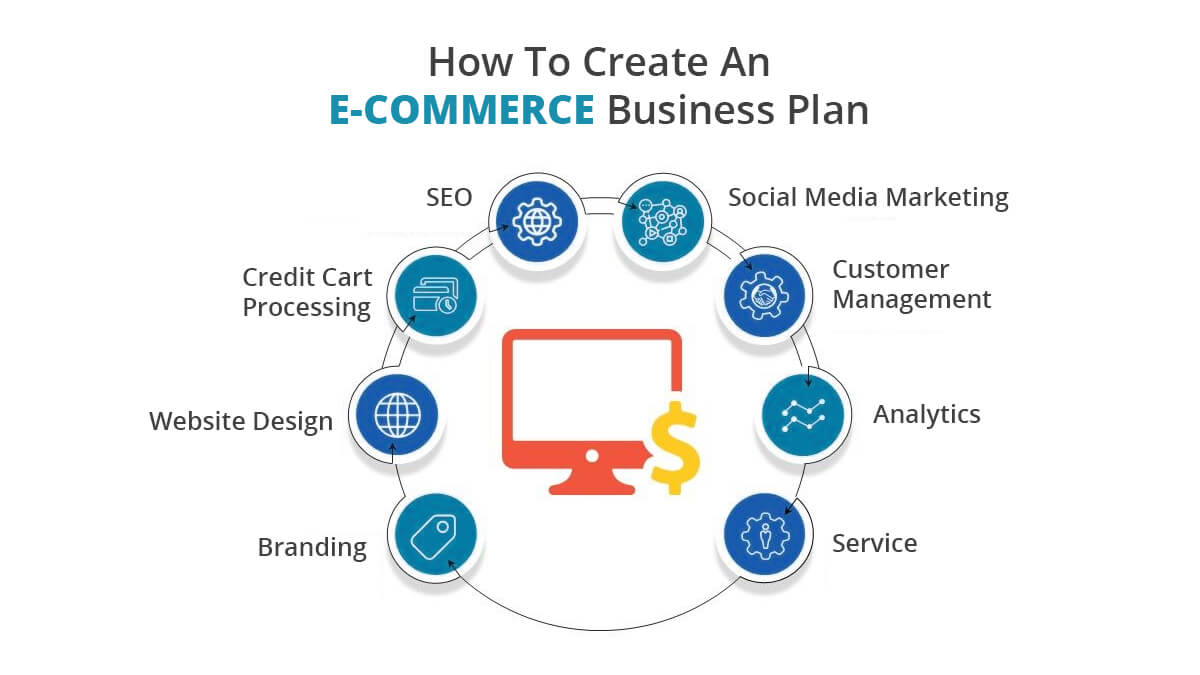
In today’s fast-paced digital landscape, SaaS (Software as a Service) has emerged as a powerful tool, particularly within the e-commerce sector. As companies pivot towards online selling and digital solutions, understanding how to develop a robust business plan is crucial for success. This case study delves into the keys to creating a business plan that stands out in the SaaS e-commerce landscape while illustrating practical examples of real companies that have triumphed.
What Is SaaS E-commerce?
First, let’s clarify what SaaS and e-commerce mean. SaaS is a software delivery model where applications are hosted in the cloud and accessible over the internet. This model eliminates the need for installations and provides flexibility and scalability that businesses crave.
E-commerce refers to buying and selling goods or services over the internet. When combined, SaaS e-commerce provides businesses with tools to operate their online stores more efficiently. These can range from inventory management software to customer relationship management systems.
Importance of a Strong Business Plan
A well-crafted business plan serves as a roadmap for your SaaS e-commerce business. It outlines your goals, strategies, market analysis, and financial projections. This not only guides your operations but also helps attract investors and partnerships. When created thoughtfully, your business plan can lead to:
- Clarified Vision: A business plan forces you to articulate your ideas, strategies, and what your success looks like.
- Effective Strategies: In-depth market research allows for informed decisions.
- Investor Attractiveness: A compelling business plan can secure funding by proving your business viability.
Step-by-Step Guide to Creating a Business Plan for SaaS E-commerce
1. Executive Summary
The executive summary is a snapshot of your business and should provide the essentials of your plan. Keep it concise but informative—cover the business name, products or services, market, and financial outlook.
Case Study Example: Shopify, one of the leading e-commerce platforms, initially created a clear and concise executive summary that outlined its innovative vision to simplify online retail.
2. Market Analysis
Next, you need to analyze the current market landscape. Identify trends, target audience demographics, and competitor strengths and weaknesses. The e-commerce sector is ever-evolving, so keep current trends in mind.
- Trends to Consider:
- Increased demand for personalized shopping experiences
- The rise of mobile commerce
- Subscription model popularity
Case Study Example: BigCommerce emphasizes its awareness of continual e-commerce developments, ensuring its strategies align with changing consumer preferences.
3. Identifying Your Unique Value Proposition (UVP)
What makes your SaaS e-commerce business unique? Identify your competitive edge that will attract customers. Your UVP should answer the question: “Why should customers choose you over competitors?”
Case Study Example: Squarespace distinguishes itself with beautifully designed templates and user-friendly interfaces, ensuring a seamless experience for users from start to finish.
4. Business Model and Revenue Streams
Describe how you will generate revenue. Will you charge subscription fees? Transaction fees? Perhaps offer tiered pricing models based on features?
Case Study Example: SaaS companies like Mailchimp have effectively utilized freemium models, allowing users to access basic features for free while promoting premium options for advanced functionalities.
5. Marketing Strategy
Your marketing strategy is vital for growth. Define how you will reach your target audience and drive traffic to your platform. Consider leveraging:
- Content marketing,
- Social media marketing,
- Influencer partnerships,
- Email marketing.
Case Study Example: Klaviyo utilizes data-driven marketing strategies to engage customers effectively, often running high-converting email campaigns that resonate with their audience.
6. Tech Infrastructure
List the technologies you’ll need to run your business effectively. This includes platforms like:
- Hosting services,
- Payment processors,
- Customer support software.
Case Study Example: Wix invested significantly in developing a robust back-end infrastructure to ensure seamless performance for their users, which has contributed to their growth.

- Overcome negative thought patterns, reduce stress, and live a worry-free life
- Overthinking is the biggest cause of unhappiness
- Don't get stuck in a never-ending thought loop
- Stay present and keep your mind off things that don't matter, and never will
- Break free of your self-imposed mental prison
7. Team Structure
Outline your team and their responsibilities. Who will handle marketing, sales, and customer support? It’s vital to clarify roles to ensure operational efficiency.
Case Study Example: Zapier has built a remote-first team, leveraging global talent to build a diverse skill set within their organization, which has been integral to their success.
8. Financial Projections
Next, include detailed financial projections. Present anticipated revenue, expenses, and profit margins over the next few years. Clearly demonstrate your understanding of income statements and cash flow.
Case Study Example: DocuSign provided clear and realistic financial projections that helped attract significant investment during their growth phase.
9. Funding Requirements
If you’re seeking investment, outline how much you need, how you will use it, and your projected return on investment for potential investors.
Case Study Example: Shopify was clear about its funding needs and how it planned to utilize investor funds towards technology and marketing advancements.
Real-World Case Study: How Xero Excelled in SaaS E-commerce
To further illustrate the principles discussed in this article, let’s examine the journey of Xero, a cloud-based accounting software provider for small businesses.
Introductory Vision
When Xero was launched, its founders identified a gap in the market—small businesses needed an easy-to-use accounting system. Their business plan laid out a vision of cloud-based software that could be accessed from anywhere, meeting the demands of modern businesses.
Market Analysis
Xero examined the small business sector, identifying pain points surrounding financial management that could be alleviated through user-friendly technology. They recognized a trend toward online services and aligned their offerings accordingly.
Strong Value Proposition
The company was focused on making accounting simple and accessible. By emphasizing ease of use, Xero attracted customers who may have previously been overwhelmed by traditional accounting software.
Diverse Revenue Streams
Initially, Xero charged a monthly subscription fee, which provided a steady revenue stream. As they grew, they introduced different tiers to cater to various requirements, further broadening their customer base.
Targeted Marketing Strategies
Utilizing digital marketing, Xero focused on content that spoke directly to small business owners, building a community and creating valuable resources that drove organic traffic to their site.
Infrastructure Investment
To support their growth, Xero invested heavily in cloud technology, ensuring their software was reliable and secure, which was especially important given the sensitive nature of financial data.
Financial Projections and Funding
Xero demonstrated impressive financial discipline, leading to successful funding rounds. Investors were drawn by the solid financial forecasts that anticipated growth in the burgeoning cloud technology sector.
Conclusion: The Path to Success in SaaS E-commerce
Creating a successful business plan in the SaaS e-commerce sector requires a well-thought-out approach—an understanding of the market, competitive landscape, and consumer behavior. Following the steps outlined in this case study can help aspiring entrepreneurs build a solid foundation for their business.
SaaS continues to revolutionize the e-commerce sector, and those who master the art of planning can position themselves to capitalize on this growth. Remember, every successful company started with a plan, and the detailed steps from this guide can lead you toward your ultimate business success in SaaS e-commerce.
The importance of a solid, cohesive business plan cannot be overstated. Whether you are a budding entrepreneur or a seasoned business owner aiming to transition into the SaaS space, utilizing the insights from this case study can help steer your e-commerce business toward a prosperous future. Don’t just keep up; stay ahead of the curve and make your mark in the booming world of SaaS e-commerce.


