
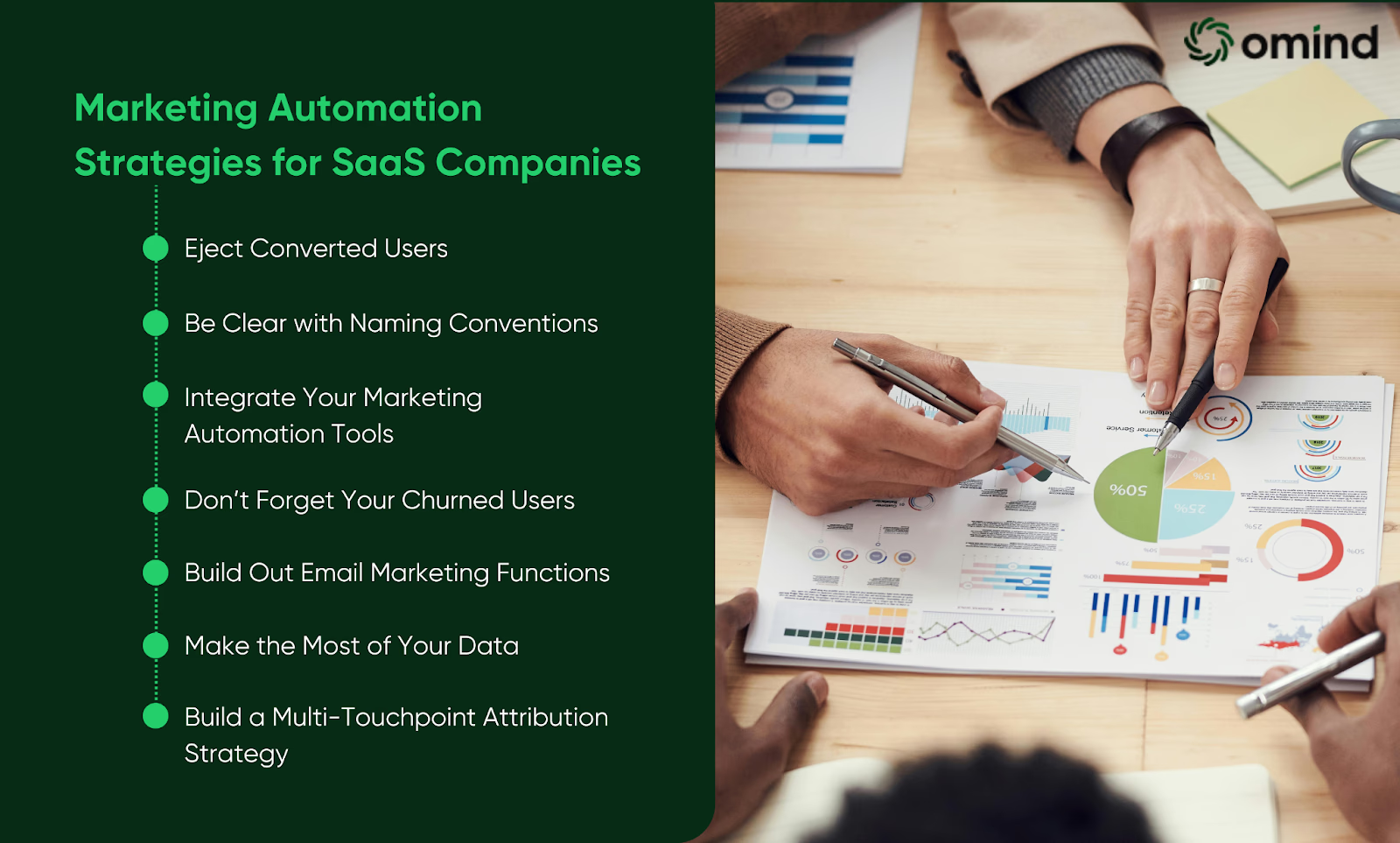
When diving into the world of marketing automation platforms, many marketers and business owners often find themselves pondering an essential question: How can lessons from SaaS business plans shape their strategies and effectively enhance their marketing efforts? The answer lies in understanding both the business model that underpins successful SaaS solutions and the practical applications of marketing automation. In this article, we explore key insights derived from SaaS business plans, how they apply to marketing automation, and how adopting these lessons can lead to more effective marketing strategies.
What is SaaS and Why It Matters
Software as a Service (SaaS) is revolutionizing the way businesses operate. Instead of traditional software installations, SaaS delivers applications over the internet, allowing companies to access their tools and services without the need for complex setups. This model provides flexibility, scalability, and the ability to keep pace with ever-changing technology. Understanding the fundamental strategies outlined in successful SaaS business plans can offer marketing professionals valuable insights into how to better leverage marketing automation platforms.
Lesson 1: Customer-Centric Approach
One of the most significant lessons from SaaS business plans is the emphasis on a customer-centric approach. Successful SaaS companies prioritize understanding their customers’ needs, wants, and pain points, which ultimately influences their product development and marketing strategies.
Apply It to Marketing Automation
Marketers using automation platforms can benefit from this customer-centric mindset by utilizing data analytics to understand their audience better. By segmenting their target market based on behavior and preferences, marketers can tailor their messages and campaigns. This means sending personalized emails, creating targeted ads, and nurturing leads in a way that feels relevant and engaging.
Actionable Tip: Use customer data to create buyer personas, which can help shape your marketing automation strategies. Utilize features in your marketing automation platforms to automate personalized communication based on customer behavior.
Lesson 2: Iterative Development
SaaS companies often adopt an iterative approach to development. Instead of launching a perfect product from the get-go, they release a minimum viable product (MVP) and continuously improve it based on user feedback. This agile methodology allows businesses to adapt quickly and respond to market changes.
Apply It to Marketing Automation
Marketers can adopt a similar approach to their campaigns by implementing A/B testing. By testing different subject lines, calls to action, or content types, marketers can identify what resonates best with their target audience. Over time, these small iterations can lead to significant improvements in engagement and conversion rates.
Actionable Tip: Set up A/B tests for your email campaigns using your marketing automation platform’s built-in tools. Regularly review the results and adjust your strategies accordingly.
Lesson 3: Value Proposition Clarity
SaaS business plans emphasize the importance of having a clear and compelling value proposition. This clarity helps businesses differentiate themselves in a crowded market and effectively communicate what sets them apart from competitors.
Apply It to Marketing Automation
In marketing, a well-defined value proposition translates to clear messaging in your marketing automation campaigns. It is essential to articulate what your product or service offers and why it benefits your audience.
Actionable Tip: Develop a concise value proposition statement that encapsulates your brand’s unique selling points. Use this as a basis for your marketing automation tactics, including email content, landing page copy, and social media posts.
Lesson 4: Focus on Customer Lifetime Value (CLV)
Successful SaaS businesses understand the significance of Customer Lifetime Value (CLV). Instead of solely concentrating on initial sales or acquisition costs, they focus on the long-term value customers can bring.
Apply It to Marketing Automation
Marketers can leverage CLV insights to enhance their automation strategies by focusing on lead nurturing and retention tactics. Automated emails can be set up to follow up with customers post-purchase, offering additional resources and support, thus improving customer satisfaction and fostering loyalty.

- Overcome negative thought patterns, reduce stress, and live a worry-free life
- Overthinking is the biggest cause of unhappiness
- Don't get stuck in a never-ending thought loop
- Stay present and keep your mind off things that don't matter, and never will
- Break free of your self-imposed mental prison
Actionable Tip: Use automation tools to create a comprehensive onboarding sequence for new clients, ensuring they know how to get the most out of your product or service. Continuously engage with existing customers to encourage repeat business through special offers or loyalty rewards.
Lesson 5: Metrics and Performance Tracking
SaaS companies thrive on data-driven decision-making, tracking various metrics to assess performance and adapt strategies accordingly. This analytical focus allows them to understand which features are successful and how to enhance their offerings.
Apply It to Marketing Automation
Marketers should develop a similar data-driven culture in their automation efforts. By setting clear goals and using analytic tools to track engagement, conversion rates, and other key performance indicators, marketers can fine-tune their campaigns for maximum impact.
Actionable Tip: Regularly review the metrics provided by your marketing automation platform’s dashboard. Adjust your strategies based on performance, ensuring you are continually optimizing your campaigns based on data.
Lesson 6: Building Community and Engagement
SaaS companies often focus on creating communities around their products, encouraging interaction among users. This community-building fosters brand loyalty and turns users into advocates for the brand.
Apply It to Marketing Automation
Marketers can create a sense of community through automated email campaigns. By inviting subscribers to participate in webinars, forums, or social media groups, brands can create a space for discussions and feedback while strengthening customer relations.
Actionable Tip: Use automation to invite customers to exclusive online events, such as webinars or Q&A sessions. Foster participation and engagement by creating personalized invitations based on user behavior and preferences.
Lesson 7: Strategic Partnerships
Many SaaS companies leverage strategic partnerships to expand their reach and capabilities. These alliances can offer additional value to customers and open doors to new audiences.
Apply It to Marketing Automation
Marketers can consider strategic alliances to enhance their marketing efforts. By partnering with complementary brands, businesses can co-host events, run joint promotions, or create bundled offers that add more value to their customers.
Actionable Tip: Identify potential partners that align with your brand’s values and target audience. Leverage your marketing automation tools to create collaborative campaigns that reach a broader audience.
Conclusion: Informed Decision-Making for Effective Marketing
The lessons derived from SaaS business plans offer valuable insights for marketers using automation platforms. By focusing on a customer-centric approach, adopting iterative development, clarifying value propositions, understanding CLV, utilizing data-driven strategies, fostering community, and seeking strategic partnerships, businesses can maximize the impact of their marketing automation efforts.
In a world where competition is fierce and technology continues to evolve, it’s imperative for marketing professionals to stay ahead of the curve. Implementing these lessons can set the foundation for a robust marketing strategy, ultimately leading to increased brand loyalty, customer engagement, and, most importantly, business growth.
In this journey toward mastering marketing automation, reflection and adaptation are key. Embrace these lessons as you venture into your marketing automation strategy, and watch as your efforts transform into meaningful, measurable results that propel your business forward.
Whether you’re a seasoned marketer or new to the field, the roadmap outlined here serves as a compass guiding you through the intricate landscape of marketing automation in conjunction with SaaS business strategies. Take these insights, apply them to your campaigns, and enjoy the process of watching your marketing efforts flourish.


