
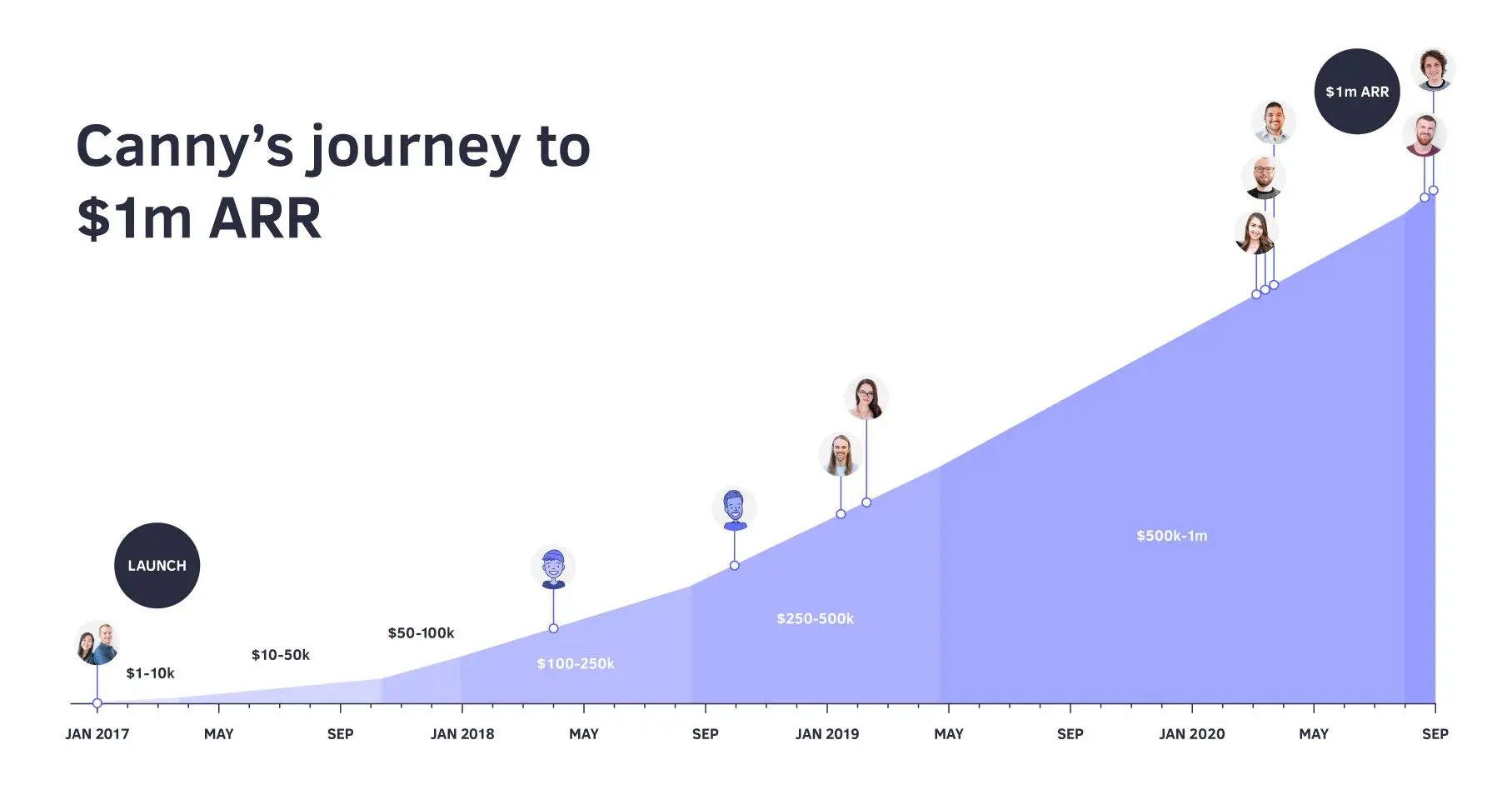
In the ever-evolving landscape of the tech industry, success stories surfaced like bright stars in the night sky. One particular startup has captured the spotlight, achieving an astonishing milestone of one million users within just a year of launching its Software as a Service (SaaS) platform. What was the secret sauce behind this remarkable success? In this article, we’ll delve into the strategies, business plan components, and marketing tactics that played a crucial role in this startup’s meteoric rise. Whether you’re an aspiring entrepreneur or an experienced business owner, you’ll discover valuable lessons to guide your own journey toward success.
Understanding the SaaS Model
Before diving into the specifics of the successful startup, it’s essential to grasp the fundamentals of the SaaS model. Software as a Service is a cloud-based service that allows users to access software applications over the internet. Unlike traditional software, which requires installation and maintenance on individual devices, SaaS eliminates the hassle, providing users with seamless access from anywhere with an internet connection.
The beauty of the SaaS model lies not only in its accessibility but also in its revenue potential. With subscription-based pricing, businesses can create a steady stream of income while offering valuable services to their users. This model has propelled countless startups to success, but a thoughtfully crafted business plan is key to leveraging these advantages effectively.
The Business Plan Breakdown
The startup in question thrived due to a well-structured business plan that focused on five core components: market research, product development, user acquisition, customer retention, and financial strategy. Let’s break down each of these elements.
1. Market Research: Understanding the Landscape
The foundation of any successful SaaS business plan begins with thorough market research. The startup took the time to analyze their target audience, competitors, and market trends. They identified a gap in the market—an unmet need—that their software could fulfill.
By understanding their customer demographics and pain points, the startup could tailor their product to offer unique features. For instance, they discovered that many potential users decried the complexity of existing solutions. This insight drove them to focus on simplicity, user-friendliness, and an intuitive interface in their product design.
2. Product Development: Building a User-Centric Solution
With a clear vision defined by market research, the next step was developing the product itself. The startup embraced an agile development approach, leveraging continuous feedback loops from beta testers. This approach ensured that the product evolved in alignment with user needs and expectations.
They prioritized key features most demanded by their users. They invested in robust security measures and an efficient user interface, frequently updating the software based on user feedback. This not only improved user satisfaction but also increased their likelihood of recommending the platform to others.
3. User Acquisition: Crafting a Magnetic Marketing Strategy
Achieving one million users in just a year requires an aggressive and smart marketing strategy. The startup developed a multi-channel marketing plan that combined traditional and digital marketing approaches. Here are some tactics they employed:
-
Content Marketing: Creating high-quality content, including blog posts, infographics, and guides, established the brand as an authority in their niche. This content provided value to potential users while also improving search engine rankings, driving organic traffic to their website.
-
Social Media Engagement: Active engagement on social media platforms helped build a community around the product. The startup encouraged user-generated content and shared success stories, generating buzz and fostering loyalty among early adopters.
-
Referral Programs: To quickly scale their user base, the startup implemented a referral program that incentivized existing users to invite friends and colleagues. Offering discounts, free trial extensions, or credits helped amplify their reach through word-of-mouth marketing.
-
Paid Advertising Campaigns: Complementing organic growth efforts, the startup invested in paid advertising through platforms like Google Ads and Facebook Ads, targeting specific audiences based on demographics and interests.

- Overcome negative thought patterns, reduce stress, and live a worry-free life
- Overthinking is the biggest cause of unhappiness
- Don't get stuck in a never-ending thought loop
- Stay present and keep your mind off things that don't matter, and never will
- Break free of your self-imposed mental prison
4. Customer Retention: Building Loyalty Beyond Acquisition
While attracting users was crucial, the startup understood that retaining them was equally important. They implemented several strategies to ensure customer satisfaction and long-term loyalty:
-
Exceptional Customer Support: Providing outstanding customer service became a cornerstone of their retention strategy. They offered multi-channel support, including live chat, email, and phone consultations. Prompt responses to inquiries and proactive engagement significantly improved user experience.
-
Regular Updates and Enhancements: The team committed to regularly updating their software, introducing new features based on user feedback. Users appreciated the evolution of the product, knowing their needs were being considered.
-
Community Engagement: The startup fostered a user community through online forums and social media groups. This allowed users to share experiences, tips, and best practices, further enhancing their connection to the platform.
-
Feedback Loops: Continually soliciting feedback helped the startup gauge user sentiment and identify areas for improvement. By involving users in the ongoing development process, they forged deeper relationships and loyalty.
5. Financial Strategy: Maintaining a Healthy Cash Flow
While planning for growth, it was vital for the startup to maintain financial stability. The founders implemented a sustainable financial strategy that included:
-
Tiered Pricing Models: The startup developed tiered pricing plans that catered to a range of users, from individual freelancers to larger enterprises. This flexibility allowed them to capture a broader market while maximizing revenue potential.
-
Budgeting and Forecasting: They carefully budgeted their marketing expenses while forecasting user growth. This disciplined approach ensured that they could continue to invest in vital areas without overstretching their finances.
-
Investing Wisely: As user numbers grew, securing external funding became a priority for scalability. The startup sought investments that aligned with their vision, enabling them to hire key personnel and enhance their product further.
Lessons Learned: Applying the Blueprint to Your Venture
The success of this SaaS startup offers invaluable lessons for entrepreneurs across industries. Here’s how you can implement these strategies in your venture:
-
Conduct Deeper Market Research: Go beyond surface-level analysis. Utilize surveys, interviews, and focus groups to gain a comprehensive understanding of your target audience.
-
Champion User Experience: Prioritize product development with your users in mind. Maintain iterative cycles of feedback and improvement to create solutions that resonate with your audience.
-
Diversify Marketing Channels: Experiment with various marketing channels to discover what works best for your niche. Embrace both digital and traditional tactics to maximize reach.
-
Elevate Customer Support: Make customer satisfaction a non-negotiable priority. Allocate resources toward exceptional support systems and ensure your team is well-equipped to assist.
-
Be Financially Prudent: Always maintain a focus on your financial health. Opt for pricing models that resonate with your audiences, and keep a close eye on your cash flow.
Conclusion
Achieving one million users in just one year is no small feat, but by dissecting the SaaS business plan of this successful startup, we can glean valuable insights for our endeavors. From diligent market research to smart user acquisition strategies and a commitment to customer retention, each element of their business model contributed to their swift ascension.
As you embark on your entrepreneurial journey, remember that success is not merely about having a top-notch product. Instead, it’s about understanding your market, creating value, fostering relationships, and continuously evolving based on user feedback. By taking a page from this startup’s playbook, you too can pave the way to remarkable achievements in your business endeavors.
In the world of SaaS and beyond, the possibilities are endless. Now it’s your turn to develop a robust business plan that positions you for success, empowering both you and your future users. Happy travels on your path to entrepreneurial triumph!


