
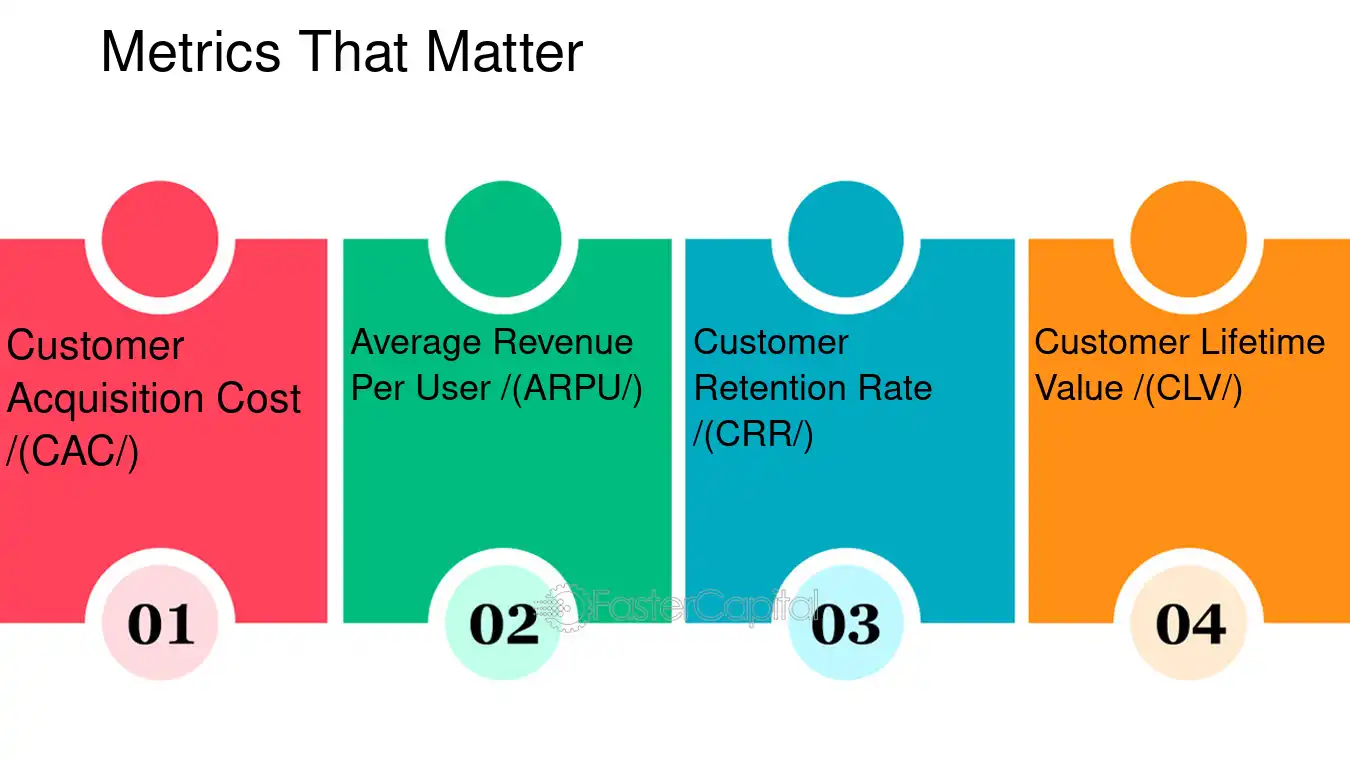
When it comes to Software as a Service (SaaS) businesses, crafting a well-structured business plan is paramount for achieving long-term customer lifetime value (CLV). Understanding CLV can be a game changer, as it measures the total revenue a business can expect from a single customer account throughout their relationship. This article explores SaaS business plans that focus on optimizing CLV, using effective strategies, case studies, and insights for entrepreneurs looking to amplify their growth.
Understanding Customer Lifetime Value (CLV)
Before diving into effective business plans, let’s clarify what CLV means. CLV is an essential metric in the SaaS industry, helping companies to determine how much they can spend on customer acquisition while ensuring profitability over time. A higher CLV generally means that the company can afford to invest more in attracting new customers.
The Importance of Business Plans in SaaS
A sound business plan not only outlines a company’s vision, objectives, and strategies but also directly impacts its ability to create value. Here are some essential components of a successful SaaS business plan:
-
Market Analysis: Understand your customers, competitors, and industry trends. Detailed market research helps identify who your customers are, their needs, and how to serve them better than your competitors.
-
Revenue Model: Develop a clear understanding of how you will charge customers for your services. Common models include subscription-based pricing, tiered pricing, or usage-based pricing.
-
Customer Acquisition Strategy: Determine how you will bring in new customers. Your strategies might involve content marketing, paid advertising, partnerships, or outbound sales.
-
Retention Strategies: Outline plans for keeping customers engaged and loyal to increase their lifetime value.
-
Financial Projections: Provide realistic forecasts for your expenses, revenues, and profits. It’s essential to back these figures with data gathered from your market analysis.
Case Study: SaaS Example to Illustrate CLV Optimization
Let’s take a look at a successful SaaS company that effectively implemented a robust business plan to leverage CLV: HubSpot.
HubSpot: The Marketing Software Powerhouse
Background: HubSpot, founded in 2006, established itself as a leader in inbound marketing software. The company started with a freemium model, offering basic features at no charge to attract new users while providing premium services at a price—ensuring they could maximize CLV over time.
Step 1: Comprehensive Market Analysis
HubSpot began by conducting a comprehensive market analysis. They identified a gap in the tools available for small to medium-sized businesses (SMBs) looking to gain traction through online marketing. This analysis led them to shape their offerings around the specific pain points of their target customers.
Step 2: Smart Pricing Strategies
HubSpot initially utilized a freemium pricing model. By allowing users to access a basic version of their software for free, they maximized customer acquisition. Once users recognized the software’s value, they were more inclined to upgrade to paid versions for additional features. Their tiered pricing structure further complements this approach, allowing customers to choose plans that meet their specific needs.
Step 3: Focus on Customer Relationships
Building robust customer relationships was at the center of HubSpot’s strategy. They leveraged content marketing extensively—publishing blogs, eBooks, webinars, and more. By offering valuable content and learning resources, they kept their audience engaged and continued to attract new customers. This strategy not only improved customer education but also fostered loyalty.
Step 4: Retention Strategies to Enhance CLV
Rather than viewing customer acquisition as isolated transactions, HubSpot continuously focuses on customer retention strategies. They employed dedicated customer success teams tasked with helping clients reach their marketing goals. Prompt and effective customer service enhanced user satisfaction, ensuring that businesses remained loyal to the platform.

- Overcome negative thought patterns, reduce stress, and live a worry-free life
- Overthinking is the biggest cause of unhappiness
- Don't get stuck in a never-ending thought loop
- Stay present and keep your mind off things that don't matter, and never will
- Break free of your self-imposed mental prison
Best Practices for SaaS Business Plans Focused on CLV
Now that we have analyzed a successful case study, here are some best practices that every SaaS entrepreneur should consider when creating their business plan focused on customer lifetime value.
1. Customer-Centric Approach
A customer-centric strategy should be at the heart of your SaaS business. Understand your customers’ needs, preferences, and challenges. This knowledge should inform every aspect of your business plan, from product development to marketing strategies.
2. Invest in Onboarding Processes
Research shows that effective onboarding can significantly impact CLV. Streamlining and enhancing new user experiences increases retention rates. HubSpot, for instance, provides a guided onboarding process that helps new users understand the platform’s capabilities and how to leverage them for their needs.
3. Implement Advanced Analytics
Using analytics tools can provide deep insights into customer behavior, preferences, and churn risks. Measure relevant metrics such as Net Promoter Score (NPS), Customer Satisfaction Score (CSAT), and retention rates to inform your strategy and ensure your SaaS offering aligns with customer needs.
4. Build a Community
Creating a community around your SaaS product can enhance user engagement and loyalty. Consider forums, social media groups, or user-generated content to foster a collaborative environment where customers can share insights and experiences.
5. Continuous Improvement
The tech landscape is ever-evolving, and so are customer needs. Keep updating your service offerings based on feedback, emerging technologies, and market trends. A commitment to continuous improvement helps ensure your platform remains relevant.
Challenges to Anticipate
While the quest for optimizing CLV can be rewarding, there are challenges that SaaS businesses may face, including:
-
High Competition: The barrier to entry is relatively low for SaaS businesses, leading to heightened competition. Setting your product apart by focusing on customer-centric strategies can give you a competitive edge.
-
Churn Rates: A significant risk in SaaS is churn—the rate at which customers discontinue their subscriptions. Implementing retention strategies can help reduce churn and ultimately enhance CLV.
-
Market Changes: The tech landscape continually shifts. Businesses need to stay adaptable and responsive to changes in technology and consumer preferences to remain viable.
Conclusion: Building a Visionary SaaS Business Plan
In an ever-competitive market, building a solid business plan focused on maximizing customer lifetime value is not just a best practice; it’s essential for long-term success. By examining successful case studies like HubSpot and adopting robust strategies such as customer centricity, effective onboarding, analytic insights, community building, and a commitment to continuous improvement, you can craft a SaaS business plan that not only attracts customers but also keeps them engaged and satisfied.
As you develop your SaaS business plan, remember that CLV is a marathon, not a sprint. It requires ongoing effort to optimize and adapt based on data-driven insights and customer feedback. With the right approach, your SaaS business can thrive and establish a sustainable model for long-term success.
With this understanding, you’ll be better equipped to forge ahead in the competitive world of SaaS, setting yourself up for sustained growth and success.


