
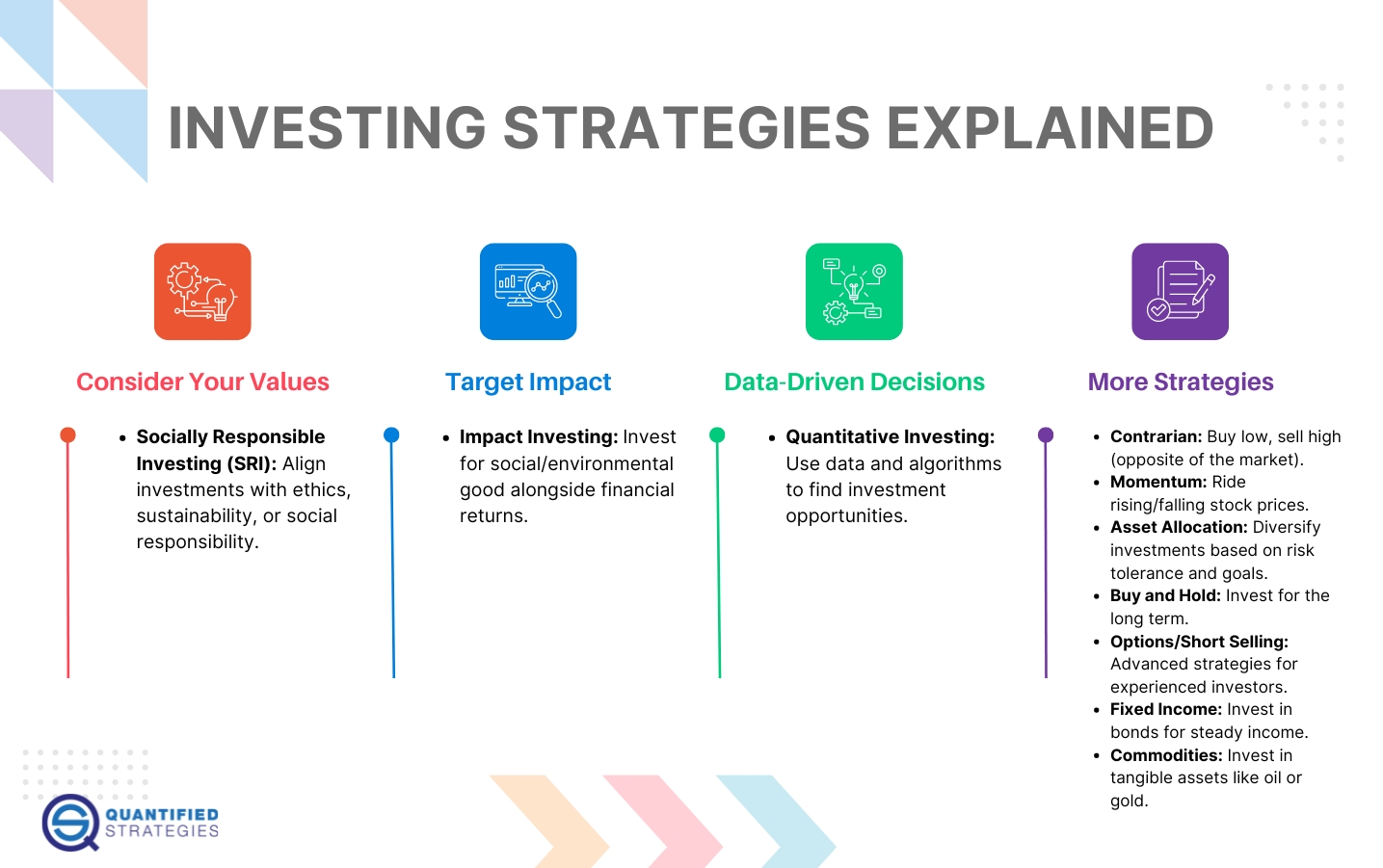
Entering the world of investing can be both exciting and intimidating, especially for beginners. As we step into 2024, the landscape of investment opportunities has evolved significantly, influenced by advancements in technology, shifts in the global economy, and the changing preferences of investors. If you’re ready to embark on your investment journey but are unsure where to start, this guide will provide you with the essential strategies to help you make informed decisions and grow your wealth.
Understanding the Basics of Investing
Before diving into specific strategies, it’s crucial to grasp the fundamental concepts of investing. At its core, investing involves allocating your resources, usually money, with the expectation of generating an income or profit. While some may view investing solely as a means to increase wealth, it’s often about achieving financial goals, such as retirement, education, or a dream home.
Key Concepts Every Beginner Should Know
-
Risk and Return: Higher potential returns typically come with higher risk. Understanding your risk tolerance is vital. Are you willing to take on more risk for the possibility of larger returns, or do you prefer a more stable approach?
-
Diversification: This strategy involves spreading your investments across various asset classes, such as stocks, bonds, and real estate, to minimize risk. Diversifying your portfolio can help protect your investments from market volatility.
-
Time Horizon: Your investment strategy should align with your financial goals and time frame. Longer time horizons can often justify taking on more risk, while shorter-term goals may require a more conservative approach.
-
Compound Interest: This is the process where the value of an investment grows exponentially over time due to interest being calculated on the initial principal and the accumulated interest. Understanding this concept is crucial for maximizing returns on investments.
Top Investment Strategies for Beginners in 2024
In 2024, consider these practical investment strategies to help you dive into the realm of investing with confidence.
1. Start with a Solid Foundation: Build an Emergency Fund
Before you begin investing, ensure you have a stable financial foundation. An emergency fund is essential for covering unexpected expenses like medical bills or job loss. It’s advisable to save three to six months’ worth of living expenses in a readily accessible account. This safety net allows you to invest with peace of mind, knowing you’re protected against unforeseen circumstances.
2. Take Advantage of Retirement Accounts
One of the smartest moves you can make as a beginner investor is to take advantage of tax-advantaged retirement accounts, such as a 401(k) or an IRA (Individual Retirement Account). Many employers offer 401(k) matching contributions, which is essentially free money. Contributing to these accounts early in your career can significantly impact your future retirement.
3. Explore Index Funds and ETFs
For beginners, index funds and exchange-traded funds (ETFs) are excellent options for passive investing. These funds allow you to invest in a broad market index, such as the S&P 500 or a specific sector, with lower fees and less risk than picking individual stocks. They offer diversification and typically deliver consistent returns over time, making them suitable for new investors.
4. Consider Target-Date Funds
Target-date funds are a great choice for those who want a hands-off approach to investing. These funds automatically adjust their asset allocation as the target date approaches (usually retirement). If you prefer simplicity and don’t want to actively manage your investments, consider incorporating target-date funds into your retirement accounts.
5. Invest in Sustainable and Responsible Companies
In 2024, socially responsible investing (SRI) continues to gain popularity. Many investors are now looking for companies that align with their values, such as environmental sustainability and social justice. Research companies that prioritize ethical practices and consider investing in sustainable funds. Not only can this be financially rewarding, but it also enables you to contribute to causes you care about.

- Overcome negative thought patterns, reduce stress, and live a worry-free life
- Overthinking is the biggest cause of unhappiness
- Don't get stuck in a never-ending thought loop
- Stay present and keep your mind off things that don't matter, and never will
- Break free of your self-imposed mental prison
6. Learn About Dollar-Cost Averaging
Dollar-cost averaging is a strategy where you consistently invest a fixed amount of money at regular intervals, regardless of market conditions. This approach reduces the impact of market volatility and can lead to purchasing more shares when prices are low and fewer when prices rise. This disciplined strategy can be especially useful for novice investors looking to build their portfolios over time.
7. Utilize Robo-Advisors
If you’re unsure how to allocate your investments, robo-advisors are a fantastic resource. They are automated platforms that create and manage investment portfolios for you, based on your risk tolerance and financial goals. Robo-advisors typically charge lower fees than traditional financial advisors, making them an affordable option for beginners.
8. Stay Informed and Educate Yourself
The investment landscape is constantly changing, so staying informed is crucial for success. Consider reading books, attending webinars, or following reputable financial news outlets. Continuous education helps you understand market trends, economic indicators, and new investment opportunities.
9. Set Clear Financial Goals
Before you invest, establish clear financial goals. What are you saving for? Is it retirement, a home, or travel? Defining these goals will help you tailor your investment strategy accordingly. Break your goals into short-term and long-term objectives to better organize your investment approach.
10. Monitor Your Investments and Adjust as Needed
Once you’ve begun investing, it’s essential to monitor your portfolio regularly. Market conditions and personal circumstances can change, so be prepared to adjust your investments accordingly. However, avoid making impulsive decisions based on short-term market fluctuations—investing is a long-term game.
11. Embrace the Power of Networking
Connecting with other investors can provide valuable insights and motivation. Join local investment clubs, online forums, or social media groups focused on investing. Engaging with others can expose you to new strategies, tips, and opportunities.
12. Seek Professional Advice When Needed
If you find yourself overwhelmed or unsure about your investment choices, don’t hesitate to seek professional advice. A financial advisor can help you create a tailored investment plan, understand complex financial products, and navigate the intricacies of the market.
The Importance of Patience in Investing
It’s essential to approach investing with a long-term mindset. The stock market will experience its ups and downs, but historically, it has trended upwards over extended periods. Staying the course and avoiding emotional reactions to market fluctuations will ultimately lead to a more successful investment experience.
Conclusion: Start Your Investment Journey Today
As 2024 unfolds, the opportunities for beginner investors are abundant. By following these investment strategies, you can build a robust financial foundation and work towards your goals with confidence. Remember to stay informed, practice patience, and make decisions that align with your financial objectives. The world of investing awaits you—now is the perfect time to take the plunge.
Additional Resources
- Websites: Check out resources like Investopedia, the Motley Fool, and Morningstar for comprehensive information on investing.
- Books: Consider reading “The Intelligent Investor” by Benjamin Graham or “A Random Walk Down Wall Street” by Burton Malkiel to expand your investment knowledge.
- Courses: Online platforms like Coursera, Udemy, and Khan Academy offer courses on investing for beginners to help you understand the dynamics of the market.
Embark on your investment journey today and watch your wealth grow over time as you apply these effective strategies. Happy investing!


