
In an ever-evolving financial landscape, the concept of diversifying your investment portfolio is more relevant than ever. As we dive into 2024, investors face a myriad of challenges and opportunities that demand careful consideration and strategic planning. In this article, we’ll explore the significance of diversification, the benefits it brings to your financial health, and actionable strategies for building a resilient portfolio that can weather economic uncertainties.
Understanding Diversification
At its core, diversification is the practice of spreading investments across various asset classes to reduce risk. By distributing your investments among different types of assets—such as stocks, bonds, real estate, and commodities—you can protect your portfolio from market volatility. The rationale is simple: when one sector is down, another may be flourishing, thereby balancing the overall performance of your investments.
Why Diversification Matters in 2024
-
Market Volatility: As markets fluctuate due to geopolitical tensions, economic shifts, and global events, diversification helps mitigate the impact of these fluctuations on your portfolio. 2024 is anticipated to be marked by continued volatility, making diversification not just a good practice but a necessity.
-
Inflation Concerns: With rising inflation rates affecting purchasing power, diversified investments can provide a hedge. Certain assets, like real estate and commodities, often perform well in inflationary environments, while others, like bonds, may struggle. Balancing these can provide a more stable return on investment.
-
Technological Disruption: The rapid pace of technological advancement means that traditional industries may face significant disruption. By diversifying into emerging markets and sectors—such as renewable energy, biotech, and technology—you can capture growth in evolving industries while reducing reliance on traditional markets.
-
Changing Consumer Behavior: The pandemic has permanently altered consumer habits, impacting various sectors. Understanding these shifts and diversifying into industries that cater to new consumer preferences can keep your portfolio responsive to change.
Benefits of Diversifying Your Investment Portfolio
1. Risk Management
The most significant advantage of diversification is risk management. By holding a well-balanced portfolio, you can minimize the probability of significant losses. If one investment performs poorly, others may compensate for the losses, keeping your portfolio afloat.
2. Enhanced Returns
While diversification cannot guarantee profits, it can enhance long-term returns through strategic asset allocation. By investing in a mix of asset classes, you can capture growth in different sectors, improving your overall return on investment.
3. Psychological Comfort
Investing can provoke anxiety, particularly in turbulent times. A diversified portfolio offers peace of mind, as it reduces the likelihood of drastic losses. When you know that your investments are spread across various sectors and asset classes, you’re more likely to remain calm during market downturns.
4. Tax Efficiency
Certain investment strategies can also yield tax benefits. For example, investing in tax-advantaged accounts like IRAs or HSAs can provide tax-free growth or tax deductions. A diversified portfolio allows you to effectively manage your tax burden by strategically placing investments to minimize taxable income.
Strategies for Diversifying Your Investment Portfolio
1. Mix Asset Classes
A well-diversified portfolio typically includes a mix of asset classes: stocks, bonds, real estate, and cash. Here’s a brief overview of how each contributes to your diversity:
-
Stocks: While they offer the highest potential returns, they also come with increased risk. Investing in a mix of domestic and international stocks can provide exposure to different markets.
-
Bonds: These are generally seen as safer investments. Including government and corporate bonds in your portfolio can provide a stable income source and reduce overall risk.
-
Real Estate: Investing in real estate, whether directly or through Real Estate Investment Trusts (REITs), can provide income and appreciation while acting as a hedge against inflation.
-
Commodities: Metals, oil, and agricultural products can protect against inflation and offer diversification during economic downturns.

- Overcome negative thought patterns, reduce stress, and live a worry-free life
- Overthinking is the biggest cause of unhappiness
- Don't get stuck in a never-ending thought loop
- Stay present and keep your mind off things that don't matter, and never will
- Break free of your self-imposed mental prison
2. Geographic Diversification
Consider investing in international markets to diversify geographically. Emerging markets often provide higher growth potential, but they also come with unique risks. Balancing your portfolio with investments in various regions can mitigate these risks while enhancing returns.
3. Sector Diversification
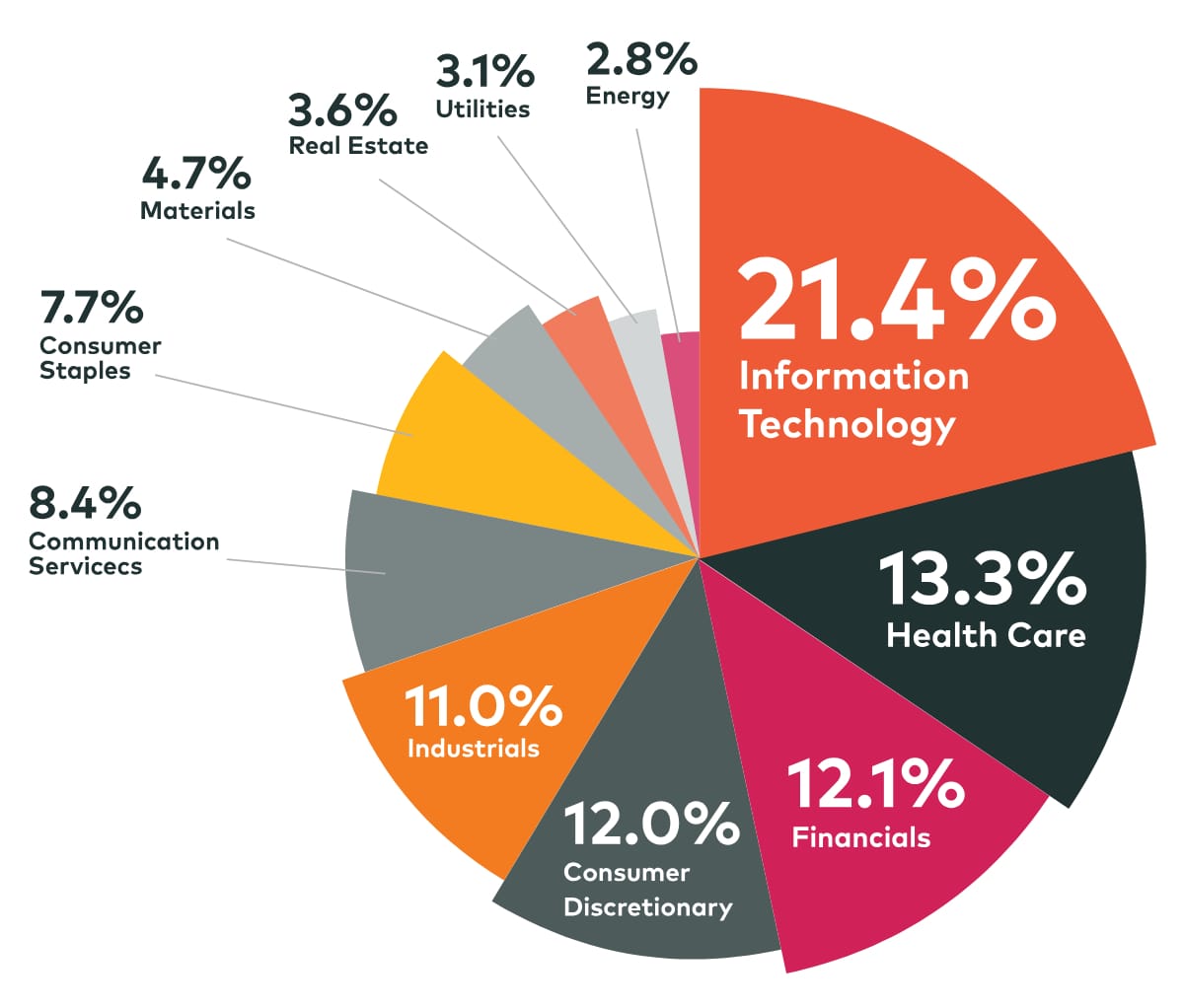
Different sectors perform differently at various stages of the economic cycle. For example, technology stocks may thrive during a boom, while consumer staples may be more resilient during downturns. Investing across various sectors—such as healthcare, technology, energy, and consumer goods—can shield your portfolio from sector-specific downturns.
4. Time Diversification
Time diversification involves investing over different time horizons. Utilizing strategies like dollar-cost averaging—where you invest a fixed amount regularly regardless of market conditions—can help reduce the impact of volatility and lower the average cost of investments.
5. Consider Alternative Investments
Alternative investments, such as private equity, hedge funds, or cryptocurrencies, may offer attractive opportunities for diversification. While they come with increased risk and complexity, they can also provide higher returns that differ from traditional asset classes. However, be sure to do thorough research and assess your risk tolerance before venturing into these avenues.
Common Diversification Mistakes to Avoid
While diversification can be a powerful tool, it’s essential to avoid common pitfalls to maximize its benefits.
1. Over-Diversification
While spreading investments is beneficial, over-diversifying can dilute potential gains. Holding too many positions can lead to a portfolio that performs similarly to the market average, limiting significant upside potential.
2. Lack of Rebalance
Diversification isn’t a one-time strategy; it requires ongoing management. Periodically rebalancing your portfolio is crucial to ensure that it remains aligned with your investment goals and risk tolerance. This might involve selling some investments and purchasing others to maintain your desired asset mix.
3. Following Trends Blindly
Investing based solely on trends can lead to an imbalanced portfolio. It’s essential to conduct thorough research and understand the underlying fundamentals of any investment before adding it to your portfolio.
4. Ignoring Costs
Investing in various asset classes can incur costs, including management fees and transaction fees. Be mindful of how these costs can erode your returns over time, and seek out low-cost investment options where possible.
Conclusion: The Path Forward
As we step into 2024, the necessity for diversification in your investment portfolio has never been clearer. With heightened risks stemming from economic uncertainties, technological disruptions, and evolving consumer behaviors, having a diversified portfolio can provide much-needed security and peace of mind.
Begin by assessing your current portfolio and determining your risk tolerance, investment horizon, and financial goals. From there, strategically allocate your assets across various classes, sectors, and geographic regions. Regularly review and rebalance your portfolio to ensure it remains aligned with your objectives.
In this ever-changing financial landscape, diversifying your investment portfolio isn’t just a savvy strategy—it’s an essential practice for protecting and growing your wealth in 2024 and beyond. By embracing diversification, you can build a robust portfolio that withstands the test of time, letting you focus on what truly matters—enjoying life and planning for the future.
Remember, investing is a journey, not a sprint. Equip yourself with knowledge, remain patient, and stay committed to your diversification strategy. As the saying goes, “Don’t put all your eggs in one basket,” but rather, allow your investments to flourish across multiple baskets to nurture a sustainable financial future.


