
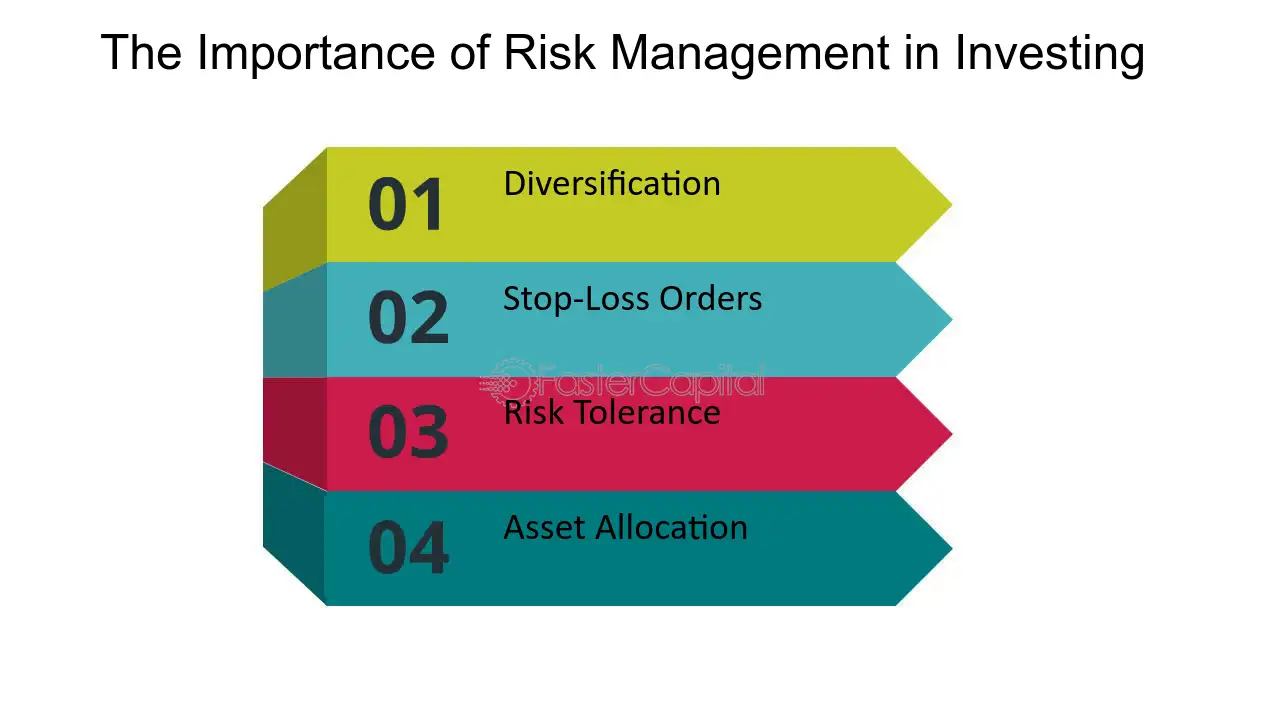
Investing in travel experiences can be one of the most fulfilling aspects of life. However, just like any other investment, it comes with its own risks and potential for loss. Whether you’re planning a family vacation, a solo backpacking journey, or a romantic getaway, understanding risk management techniques can help you ensure that your travel budget yields the best possible returns. In this article, we’ll explore effective strategies to help you plan your investments wisely, manage your risks, and ultimately enhance your travel experiences.
Understanding the Need for Risk Management in Travel Investment
Before diving into the techniques, it is crucial to grasp the significance of risk management in travel investment. Travel, by its very nature, involves several unforeseen factors such as fluctuating prices, cancellations, and unexpected events. Implementing a robust risk management strategy boosts your chances of not only preserving your financial resources but also ensuring that your plans go smoothly.
What is Risk Management?
Risk management is the process of identifying, assessing, and prioritizing risks followed by coordinated efforts to minimize, monitor, and control the impact of those risks. In travel investment, this means recognizing the potential challenges you may face during your trip and strategically planning to mitigate them.
Key Risk Management Techniques for Smart Travel Investment Planning
1. Conduct Thorough Research
Before committing any financial resources, conduct research to understand your destination. This includes looking into:
-
Seasonal Trends: Identify the peak, shoulder, and off-peak seasons. Traveling during off-peak times can save you significant money on flights and accommodation.
-
Cultural and Political Climate: Stay informed about any political instability or cultural differences that may affect your travel plans.
-
Travel Advisory: Check government travel advisories issued for your destination for any safety concerns.
2. Create a Detailed Budget
A well-structured budget is a fundamental element in risk management for travel investments. Start by calculating total potential costs, including:
-
TransportationCosts: Flights, rental cars, or public transit.
-
Accommodation: Hotel costs, Airbnb, or hostels.
-
Daily Expenses: Food, activities, and unforeseen expenditures.
By establishing a clear budget, you can avoid overspending, ensuring you have enough funds for emergencies or unexpected opportunities.
3. Consider Travel Insurance
Travel insurance is one of the most effective risk management tools available. It protects you financially in case of:
-
Trip Cancellations: If you have to cancel your travel plans due to a valid reason, travel insurance can help recoup some of your non-refundable expenses.
-
Medical Emergencies: It can cover unexpected medical expenses while traveling, especially in countries where healthcare can be prohibitively expensive.
-
Lost or Delayed Luggage: Travel insurance can include coverage for lost luggage or delays, enabling you to manage these inconveniences without significant financial setbacks.
4. Diversify Your Travel Investments
Much like a financial investment portfolio, diversifying your travel investments can reduce risk. Don’t put all your eggs in one basket.
-
Different Destinations: Consider visiting diverse locations instead of focusing on a single destination. This can distribute your travel budget and risk.
-
Varying Activities: Engage in a mix of cheaper local experiences and a few pricier tours. For instance, a day at the beach can complement an expensive excursion to see a local wonder.
5. Use Smart Payment Options
Choosing the right payment method can mitigate some risks associated with travel investments:
-
Credit Cards with Travel Benefits: Using a credit card that offers travel rewards, points, or cash back can save money in the long run. Many credit cards also come with built-in travel insurance or protection.
-
Avoid High Foreign Transaction Fees: Certain cards charge fees for international transactions. Selecting a card with no foreign transaction fees can save you money.
-
Flexible Payment Plans: Some travel companies allow you to book trips with minimal upfront costs, spreading payments over time. This can ease immediate financial pressure.

- Overcome negative thought patterns, reduce stress, and live a worry-free life
- Overthinking is the biggest cause of unhappiness
- Don't get stuck in a never-ending thought loop
- Stay present and keep your mind off things that don't matter, and never will
- Break free of your self-imposed mental prison
6. Monitor Currency Exchange Rates
If you’re traveling internationally, fluctuating currency exchange rates can affect your travel budget. To manage this risk:
-
Track Exchange Rates: Use apps or websites to monitor real-time exchange rates; some sites allow you to set alerts for favorable rates.
-
Local Currency Transactions: When possible, pay in the local currency to avoid inflated conversion rates that can occur when using your credit card.
7. Stay Informed on Market Conditions
Travel investments can be affected by broader market conditions. Keeping up with travel trends can provide insight into when to book your flight or travel package.
-
Dynamic Pricing: Prices for flights and accommodations can fluctuate wildly based on demand. Use fare alert services to monitor price drops and deals.
-
Travel Trends: Keep an eye on travel trends and consumer behavior, adapting your plans based on award-winning travel destinations and highly-rated services.
8. Build Flexibility into Your Plans
Flexibility is a key component of risk management. Last-minute changes might become necessary, and having adaptable travel plans can minimize the impact of unexpected variables. Here are some strategies:
-
Plan Open-Ended Trips: Instead of scheduling every detail, create a flexible itinerary that allows for spontaneous experiences.
-
Book Refundable Options: Whenever possible, opt for refundable accommodation and transportation bookings so you can modify your plans without a financial penalty.
9. Understand the Terms and Conditions
Always be thoroughly aware of the terms and conditions of your travel bookings:
-
Cancellation Policies: Check the cancellation policies of airlines, hotels, and tour companies. Understand what conditions would allow you to recoup your expenses in case of cancellation.
-
Loyalty Programs: If you often travel with a particular airline or hotel chain, familiarize yourself with their loyalty programs, which can offer financial safety nets through rewards.
10. Consult with Travel Experts
Sometimes, a little expert advice can go a long way. Consider engaging with travel advisors or consultants who specialize in your destination. They possess a wealth of knowledge about potential risks and can guide you through a comprehensive travel plan.
-
Customized Itineraries: Consultants can tailor your travel plans, taking into account your interests, budget, and risk factors.
-
Insider Tips: They often have access to insider tips or exclusive deals that could mitigate risks and enhance your overall experience.
Conclusion: Strategic Armoring for Your Adventures
Travel investment should enrich your life and create lasting memories, and effective risk management techniques are essential in safeguarding these investments. By conducting thorough research, creating a solid budget, considering travel insurance, and building flexibility into your plans, you can ensure that your trips yield positive experiences while minimizing financial risks.
Remember, the ultimate goal is not just to travel, but to travel smartly. By implementing these strategies, you’ll pave the way for more enjoyable journeys without the stress of unexpected financial burdens. So pack your bags with confidence, knowing you have a solid risk management plan in place to protect your travel investments. Happy travels!


