
Investing can often feel like navigating a minefield, especially for those who are new to the game. Stock prices fluctuate, and market conditions can change in the blink of an eye. As a result, many potential investors find themselves hesitant, worried about making the wrong moves and losing hard-earned money. However, there’s a method that can help mitigate these risks: Dollar-Cost Averaging (DCA). In this article, we’ll explore how to use dollar-cost averaging to reduce investment risk, ensuring that your venture into the investment world is as smooth and successful as possible.
What is Dollar-Cost Averaging?
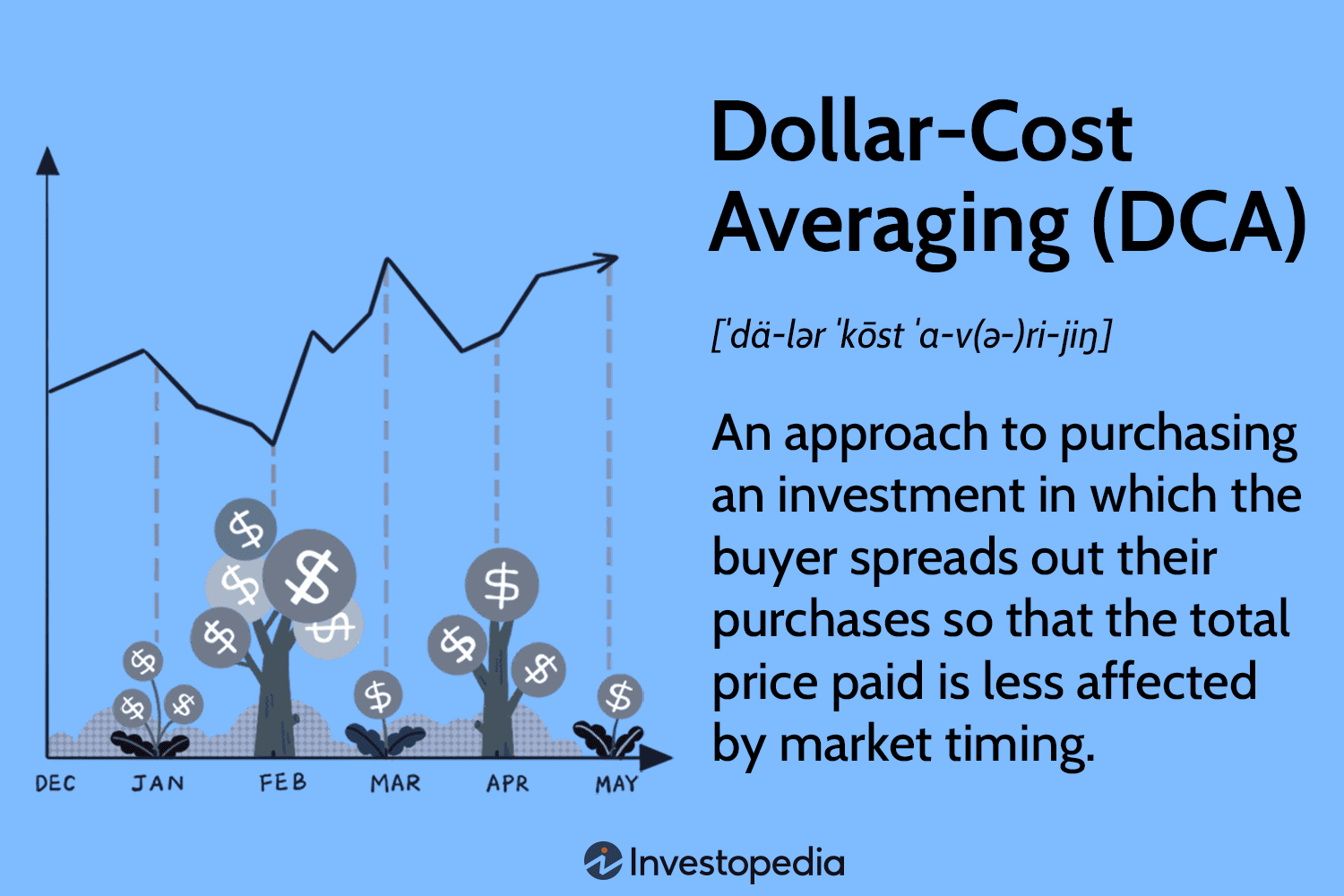
Dollar-cost averaging is an investment strategy that involves regularly investing a fixed amount of money in a particular asset, regardless of its price. This technique allows you to buy more shares when prices are low and fewer shares when prices are high, potentially lowering your average cost per share over time. This approach not only minimizes the emotional volatility that often comes with investing but also enables you to build a more robust portfolio.
Why is Dollar-Cost Averaging Effective?
-
Reduces Timing Risk: One of the biggest challenges in investing is the uncertainty of market timing. Many investors try to predict the best moments to buy or sell, which can lead to significant losses if their timing is off. With DCA, you eliminate the pressure of trying to make perfect timing decisions. You’re consistently investing over time, smoothing out the fluctuation in asset prices.
-
Emotional Discipline: Investing is often as much of a psychological game as it is a mathematical one. Fear and greed can significantly influence decisions, sometimes leading investors to panic and sell at the worst possible times. Dollar-cost averaging promotes a more disciplined approach by enforcing a structured investment schedule, helping you stick to your plan despite market fluctuations.
-
Affordability: DCA allows investors to participate in the market without needing a lump sum of money. By spreading out your investments over time, you can begin investing with smaller amounts, making it more accessible for everyone – especially those who may not have a significant amount of capital saved up.
-
Mitigation of Emotional Bias: Investing can stir up intense emotions that may cloud your judgment. DCA encourages you to adhere to a systematic approach rather than relying on fleeting feelings. By committing to invest a set amount regularly, you can overcome the potential biases that may arise during market swings, allowing you to remain focused on your long-term goals.
How to Implement Dollar-Cost Averaging
If you’re ready to give dollar-cost averaging a try, here’s a step-by-step guide to implementing this investment strategy:
-
Set Your Investment Goals: Before diving in, determine your investment goals. Are you saving for retirement, a new home, or an emergency fund? Having clear objectives will help tailor your DCA strategy to suit your needs.
-
Choose Your Investment Vehicle: Decide which assets you want to invest in. This could include stocks, mutual funds, exchange-traded funds (ETFs), or other securities. Make sure that the investments align with your goals and risk tolerance.
-
Determine Your Investment Amount: Choose a fixed amount to invest regularly. This could be on a monthly, bi-weekly, or even weekly basis. The key is consistency, so select an amount that fits comfortably within your budget without straining your finances.
-
Select Your Investment Schedule: Establish a set schedule for your investments. Whether it’s the first of the month or every other Friday, sticking to a consistent plan is essential. Many brokerages offer automated investment options, making it easy to set up recurring transactions.
-
Monitor Performance and Adjust: While DCA is a long-term strategy, it’s still important to periodically review your investment performance. If you notice significant changes in your financial situation or investment goals, consider adjusting your investment amounts or schedule accordingly.

- Overcome negative thought patterns, reduce stress, and live a worry-free life
- Overthinking is the biggest cause of unhappiness
- Don't get stuck in a never-ending thought loop
- Stay present and keep your mind off things that don't matter, and never will
- Break free of your self-imposed mental prison
Dollar-Cost Averaging vs. Lump-Sum Investing
Driving the desire for dollar-cost averaging often comes from a hesitation surrounding lump-sum investing. While both approaches have their merits, they serve different strategies:
-
Lump-Sum Investing: This is the act of investing a hefty sum of money all at once. This approach might be appropriate for someone who is confident that current market conditions favor immediate investment. However, it also involves a significant risk if the market takes a downturn soon after the investment is made.
-
Dollar-Cost Averaging: As we’ve discussed, DCA allows for a more measured approach, better suited for those looking to mitigate risk and ease into investing gradually. For many investors, the peace of mind provided by DCA far outweighs the potential short-term gains of lump-sum investing.
Is Dollar-Cost Averaging Right for Everyone?
While DCA is effective for many investors, it’s important to note that it may not be suitable for everyone. Here are a few considerations to keep in mind:
-
Target Investors: DCA is an excellent choice for long-term investors with a higher risk tolerance and a solid understanding of asset volatility. If you’re investing for a long-term goal, such as retirement, DCA can be an effective strategy.
-
Market Conditions: During a consistent upward trending market, lump-sum investing can outperform dollar-cost averaging, as the investor could benefit more from immediate price increases. However, it’s crucial to remember that predicting market behavior is challenging, even for seasoned investors.
-
Financial Situation: If you have a bulk amount of cash and are in a comfortable position to invest that money all at once without jeopardizing your budget or financial security, lump-sum investing may be appropriate. Dollar-cost averaging is more beneficial for those who are looking to minimize timing risk, as described earlier.
Common Mistakes to Avoid with Dollar-Cost Averaging
Implementing a dollar-cost averaging strategy can facilitate a more disciplined investment approach, but there are still pitfalls to watch out for:
-
Infrequent or Inconsistent Investments: One of the keys to successful DCA is consistency. If you find yourself skipping months or changing your fixed investment amount frequently, you might not fully reap the benefits of the strategy.
-
Overtrading: It can be tempting to react to market changes by frequently adjusting your contribution amounts or trying to shift into different assets based on market conditions. Resist the urge to overtrade; keeping your focus on your long-term goals is paramount.
-
Ignoring Fees and Commissions: While DCA reduces some risks, be aware of potential fees associated with frequent trading, especially with certain brokerages. Carefully consider a brokerage that offers low commissions and no-fee funds to maximize your investment.
-
Neglecting to Reassess Your Investment Strategy: While the beauty of DCA lies in its consistency, it’s still essential to review your portfolio and investment goals periodically. Your financial needs may evolve over time, and your DCA strategy should be flexible enough to adapt.
Final Thoughts: Embracing Dollar-Cost Averaging
Dollar-cost averaging is a time-tested method that allows investors to embrace the markets while minimizing risk. By sticking to a disciplined approach, you can reduce the emotional strain of investing and potentially enhance the overall performance of your portfolio.
Whether you’re a novice looking to dip your toes into investing or a seasoned pro reconsidering your strategy, understanding how to use dollar-cost averaging can transform how you view the markets. Remember that every investment carries risk, but with the right strategies, you can navigate this risk with confidence. So set your investment schedule, select your preferred assets, and embark on your journey with dollar-cost averaging – the gateway to empowered, strategic investing!


