
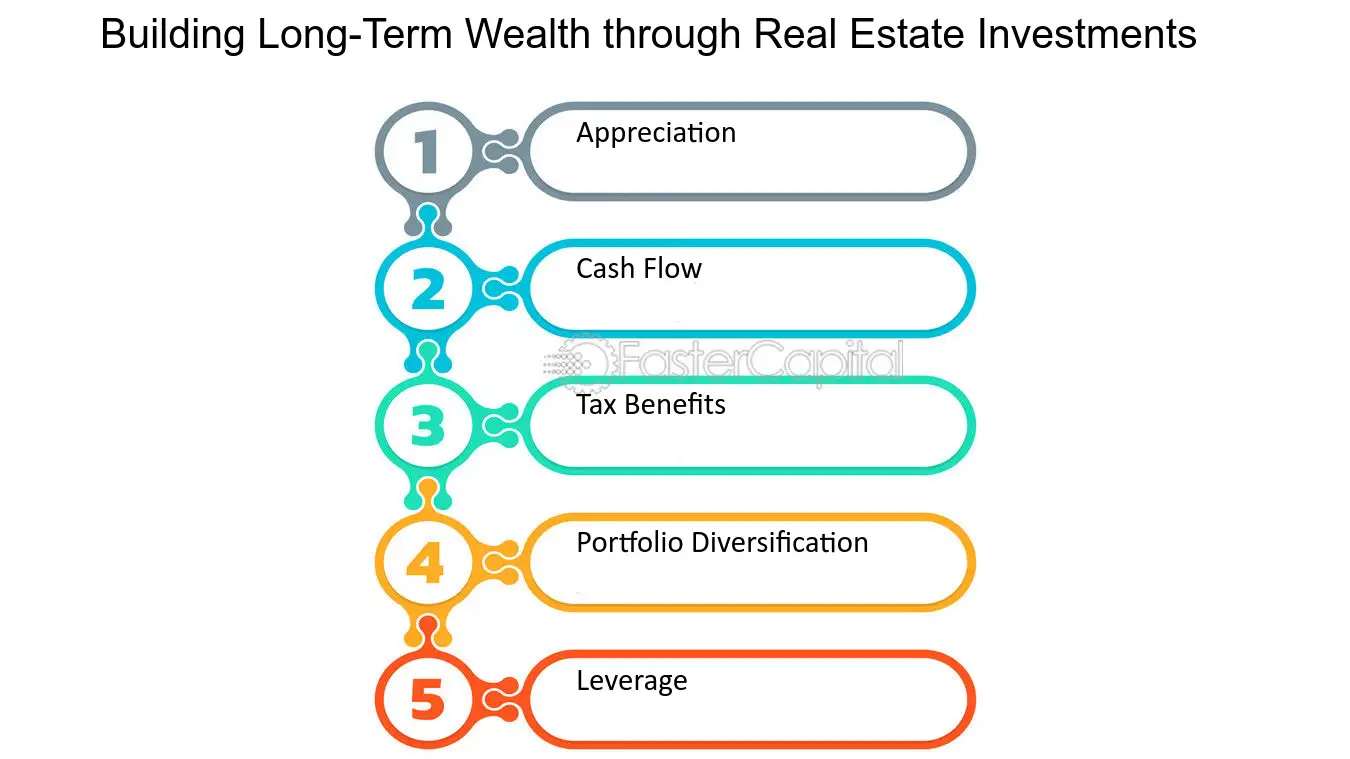
When it comes to building wealth, many options flood the landscape: stocks, bonds, cryptocurrency, and more. However, one of the most proven and reliable methods for creating lasting wealth is real estate investment, especially when approached with a long-term perspective. In this article, we’ll explore how to build wealth through long-term real estate investments, diving into the benefits, strategies, and essential tips for success.
Understanding the Basics of Real Estate Investment
Real estate investment involves purchasing, owning, managing, renting, or selling real estate for profit. While you can invest in various types of real estate, long-term investments typically focus on residential properties, commercial spaces, or land held for future development.
Why Choose Long-Term Real Estate Investments?
-
Consistent Cash Flow: One of the most attractive aspects of real estate is the potential for consistent monthly cash flow from rental income. Long-term tenants contribute stabilizing income, making it easier to budget and plan for the future.
-
Appreciation Over Time: Real estate tends to appreciate in value over time due to various factors like economic growth, population increases, and improved infrastructure. This gradual increase in value can create significant equity in your property.
-
Tax Benefits: Real estate investments come with several tax advantages. Investors can deduct mortgage interest, property taxes, depreciation, and even some repair costs from their taxable income, making it an appealing option for wealth building.
-
Hedge Against Inflation: Real estate often acts as a shield against inflation. As the cost of living rises, so typically do property values and rental prices, helping to preserve your investment’s value.
Getting Started with Long-Term Real Estate Investments
If you’re convinced about the potential of long-term real estate investments, you might be asking yourself where to begin. Here’s a step-by-step guide to set you on the right path.
1. Educate Yourself About Real Estate
Before diving headfirst into the property market, take time to learn about the industry. Read books, attend seminars, and follow reputable online courses related to real estate investing. Knowledge about current market trends, property management, financing options, and the legal aspects involved in real estate transactions is all invaluable.
2. Develop a Clear Investment Strategy
Your investment strategy should align with your financial goals and the level of risk you’re willing to take. Common strategies in long-term real estate investing include:
-
Buy and Hold: This involves purchasing properties and holding onto them for an extended period while renting them out for passive income.
-
Value-Add Investments: Investors buy properties at a lower price, improve them, and sell or rent at a higher price.
-
Real Estate Investment Trusts (REITs): If you prefer a hands-off approach, investing in REITs allows you to buy shares of real estate portfolios that pay dividends.
3. Assess Your Financial Situation
A solid foundation in your personal finances is crucial before investing in real estate. Evaluate your savings, income, debts, and credit score. Aim for a good credit rating, as it significantly impacts your ability to secure loans and favorable interest rates for property purchases.
4. Create a Budget and Secure Financing
Establish a realistic budget that accounts for the purchase price, closing costs, potential renovation expenses, and ongoing maintenance costs. Then, explore financing options:
-
Traditional Mortgages: Most investors use traditional bank loans to finance property purchases. Factors like down payment size and interest rates will influence your total costs.
-
Private Loans: Consider private lenders, which can be more flexible than banks. They might offer higher interest rates, so weigh the costs carefully.
-
Partnerships: Joining forces with other investors can help pool finances and share risks, but it’s important to have a solid agreement outlining each party’s responsibilities and returns.
Selecting the Right Property
Finding the right property is a pivotal step in long-term real estate investing. Here are several factors to consider:
Location, Location, Location
The property’s location significantly affects its rental potential and appreciation. Look for areas with strong economic growth, good schools, low crime rates, and access to major highways or public transportation.

- Overcome negative thought patterns, reduce stress, and live a worry-free life
- Overthinking is the biggest cause of unhappiness
- Don't get stuck in a never-ending thought loop
- Stay present and keep your mind off things that don't matter, and never will
- Break free of your self-imposed mental prison
Property Condition and Potential for Improvement
Invest in properties that either require minimal repairs or have the potential for value-add improvements. Properties in good condition typically attract better tenants and require less initial outlay.
Market Trends and Data
Conduct thorough market research to understand trends in property values and rental rates in your desired investment area. A knowledgeable real estate agent can be invaluable in this phase, providing insight into the local market.
Managing Your Investment
Once you’ve acquired an investment property, attention turns to its management, which can be a full-time job in itself. Here’s how to approach it effectively:
1. Screen Tenants Carefully
A solid tenant can significantly enhance your investment returns while a poor tenant can lead to financial strain and headaches. Conduct comprehensive background checks, verify employment, and ask for references to find reliable tenants.
2. Maintain Your Property
Regular maintenance is essential to keep your property in good condition and retain its value. Staying proactive about repairs will also keep tenants happy, encouraging them to renew leases for longer periods.
3. Consider Professional Property Management
Managing rental properties can become overwhelming, particularly if you possess multiple properties. A professional property management company can handle day-to-day operations, tenant relations, and property maintenance, allowing you to focus on other aspects of your investment portfolio.
Diversifying Your Real Estate Portfolio
To build wealth effectively, consider diversifying your investments. This may involve expanding to different property types (residential, commercial, or industrial), regions, or even investing in real estate crowdsourcing platforms where you can invest in projects with significantly smaller amounts.
By diversifying, you can mitigate risks associated with any single investment and enhance your chance of achieving solid returns.
The Importance of Networking
Building connections in the real estate industry is critical to your success. Networking with other investors, real estate agents, contractors, and property managers can provide valuable insights, help you spot emerging opportunities, and offer collaborative advantages.
Leveraging Technology
In today’s digital world, technology has transformed the way people invest in real estate. Utilize resources like property management software, financial analytics, and online real estate platforms to simplify processes, stay organized, and gain analytical insights into your investments.
Real estate markets experience cycles of growth and decline, so it’s important to remain astute. By understanding these cycles, you can make better-informed decisions regarding when to buy, sell, or hold onto properties.
In addition, always consider long-term trends over short-term fluctuations. The most successful investors focus on structural changes in the economy, population dynamics, and technological advancements rather than reacting impulsively to daily market news.
Preparing for the Unexpected
Investing in real estate isn’t without risks, and it’s crucial to be prepared for unexpected expenses or vacancies. Maintain an emergency fund that can cover at least three to six months of financial obligations related to the property. This buffer will prevent you from dipping into personal savings in times of need.
Conclusion
Building wealth through long-term real estate investments is not an overnight success story; it is a journey that requires patience, education, and strategy. By understanding the basics, creating a solid investment strategy, and remaining vigilant in managing your assets, you can pave the way toward financial independence.
Remember, successful real estate investing is a combination of informed decision-making, strong networking, and the willingness to adapt over time. As you embark on this rewarding venture, remain committed to educating yourself, continuously refining your approach, and staying focused on your long-term wealth-building goals.
Whether you’re a first-time investor or looking to expand your portfolio, the real estate market is rich with possibilities for those ready to seize the opportunity. Happy investing!


