
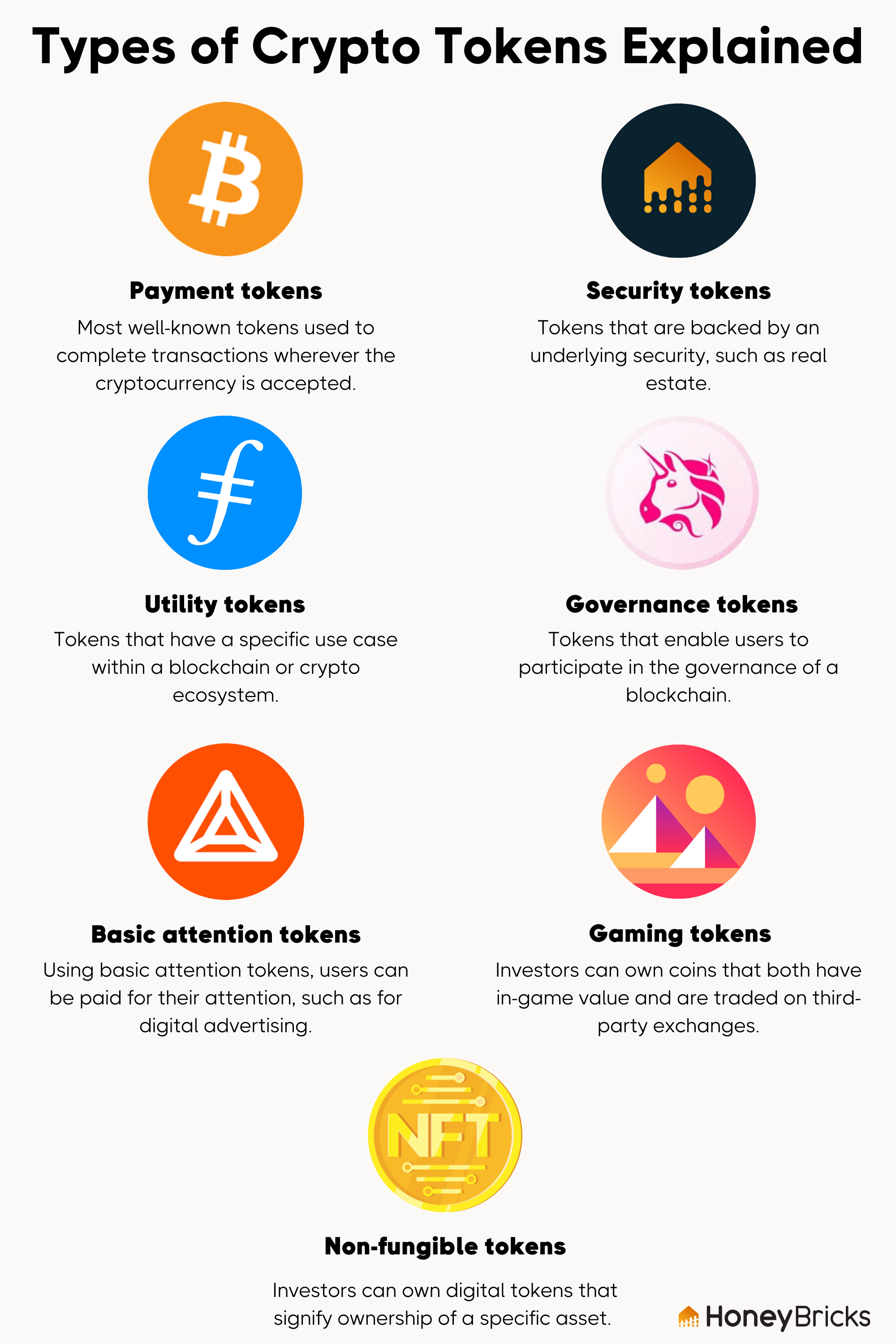
In recent years, cryptocurrencies have surged in popularity, attracting investors from various backgrounds. While the market’s volatility is notorious, many savvy investors are looking toward cryptocurrencies as a long-term investment strategy. If you’re considering joining this trend, you may have questions about how to build a cryptocurrency portfolio that not only withstands market fluctuations but also capitalizes on growth opportunities. In this comprehensive guide, we’ll walk you through the essential steps to create a robust cryptocurrency portfolio designed for long-term gains.
Understanding the Basics of Cryptocurrency
Before diving into portfolio creation, it’s essential to grasp what cryptocurrencies are. Simply put, cryptocurrencies are digital or virtual currencies that utilize cryptography for security. The most well-known cryptocurrency, Bitcoin, was created in 2009, but there are now thousands of alternatives, often referred to as altcoins. These include Ethereum, Ripple, Litecoin, and many others, each with its unique features and potential.
The world of cryptocurrency can be perplexing, particularly for newcomers, but understanding the underlying technology (blockchain), market dynamics, and various types of cryptocurrencies is crucial for successful investing.
Why Build a Cryptocurrency Portfolio?
A well-structured cryptocurrency portfolio can help diversify your investments, reducing risk and potentially increasing returns. Like traditional assets, investing in a range of cryptocurrencies allows you to spread risk and take advantage of various market trends.
Additionally, cryptocurrencies have shown an impressive growth trajectory historically, despite short-term volatility. Particularly for investors with a long-term outlook, building a diversified cryptocurrency portfolio can yield significant gains.
Step 1: Set Clear Investment Goals
The first step in building a cryptocurrency portfolio is defining your investment goals. Your approach will vary based on your financial aspirations, risk tolerance, and time horizon. Here are some questions to consider:
- What is your investment timeline? Are you looking for quick returns, or are you prepared to hold assets for several years?
- What level of risk are you comfortable with? High-risk investments can yield high rewards but can also lead to significant losses.
- What role does cryptocurrency play in your overall investment strategy? Is it a small portion or a significant commitment to your financial future?
By answering these questions, you’ll be better equipped to tailor your portfolio to suit your personal financial objectives.
Step 2: Research and Understand Different Cryptocurrencies
With thousands of cryptocurrencies available, conducting thorough research is vital. Some cryptocurrencies you might want to consider include:
1. Bitcoin (BTC)
As the first and most established cryptocurrency, Bitcoin is often viewed as digital gold. It has a limited supply of 21 million coins, creating scarcity that could drive demand over time. Its widespread acceptance makes it a staple in most cryptocurrency portfolios.
2. Ethereum (ETH)
Ethereum is more than just a currency; it’s a platform for building decentralized applications and executing smart contracts. Its versatility provides significant growth potential, as the DeFi (Decentralized Finance) and NFT (Non-Fungible Token) trends continue to expand.
3. Litecoin (LTC)
Often referred to as the silver to Bitcoin’s gold, Litecoin offers faster transaction times and a more efficient mining process. It has been around for several years, making it a more established altcoin option.
4. Ripple (XRP)
Ripple is designed for global currency transfer and aims to facilitate fast and affordable cross-border payments. Its partnerships with financial institutions make it a noteworthy option for those interested in the financial services sector.
5. Cardano (ADA)
Known for its focus on sustainability and scalability, Cardano is a platform that aims to improve the existing blockchain framework. Its commitment to research-driven development can appeal to investors looking for long-term projects.
6. Solana (SOL)
With its rapidly growing ecosystem, Solana is known for high-speed transactions and low fees. As a competitor to Ethereum, it has gained significant attention and could represent considerable value in a diversified portfolio.
Step 3: Diversify Your Assets
Just like any investment, diversification is crucial when building a cryptocurrency portfolio. Investing in multiple cryptocurrencies spreads risk and can increase the chances of achieving overall gains, as different assets tend to perform differently under various market conditions.
Here’s how to diversify effectively:
- Allocate funds across different cryptocurrencies: Consider investing in a mix of established coins (like Bitcoin and Ethereum) and promising altcoins (like Cardano or Solana).
- Consider different sectors: Look at cryptocurrencies that serve various functions. For instance, invest in some that are primarily used as currencies and others that function as platforms supporting dApp development.
- Mind market cap: Larger market cap cryptocurrencies tend to be less volatile than smaller ones. A balanced approach might involve allocating a significant portion of your investment to large-cap coins while still allowing room for smaller, more unpredictable options.

- Overcome negative thought patterns, reduce stress, and live a worry-free life
- Overthinking is the biggest cause of unhappiness
- Don't get stuck in a never-ending thought loop
- Stay present and keep your mind off things that don't matter, and never will
- Break free of your self-imposed mental prison
Step 4: Use Dollar-Cost Averaging (DCA)
Dollar-cost averaging (DCA) is a popular strategy that can help minimize the impact of volatility. Instead of investing a lump sum at once, you spread your purchases over time with smaller, consistent amounts. This approach can reduce the risk of buying at a peak price and can lead to an average entry price that’s more favorable.
For example, if you plan to invest $1,000 in cryptocurrency, instead of buying it all at once, consider investing $100 each week over ten weeks. This strategy is particularly effective for market conditions that are known for their swings.
Step 5: Select a Reliable Exchange
Choosing a reliable cryptocurrency exchange is critical for safely buying, selling, and trading assets. Important considerations when selecting an exchange include:
- Security: Ensure the exchange has robust security measures in place, like two-factor authentication and cold storage options for assets.
- Fees: Pay attention to trading fees and withdrawal fees, as these can eat into profits, especially for casual investors.
- User Interface: Choose a platform that matches your experience level. While some exchanges cater to novices with user-friendly interfaces, others offer advanced features more suitable for expert traders.
Some of the well-known exchanges include Coinbase, Binance, Kraken, and Gemini. It is wise to compare platforms and perhaps even utilize multiple exchanges to take advantage of different features.
Step 6: Store Your Coins Securely
After purchasing cryptocurrencies, it’s crucial to store them securely. There are two primary storage options: hot wallets and cold wallets.
-
Hot Wallets: These are connected to the internet and are more accessible for frequent trading. They include web-based wallets and mobile apps. However, they are also more vulnerable to hacking.
-
Cold Wallets: These are offline storage options requiring a physical device, like a hardware wallet. While they offer enhanced security against online attacks, they are less convenient for everyday transactions.
For long-term investors, cold storage is generally recommended. Whichever option you choose, ensure that your private keys are kept secure, as losing access to them means losing access to your funds.
Step 7: Stay Informed and Adjust Your Portfolio
The cryptocurrency market is constantly evolving, with new projects emerging and regulatory developments occurring regularly. Staying informed is essential for making intelligent investment decisions.
Tips for Staying Informed:
- Follow reputable news sources: Websites like CoinDesk, CoinTelegraph, and reputable financial news platforms provide up-to-date information and analysis on market trends.
- Join online communities: Engaging with communities on platforms like Reddit, Twitter, and Telegram can provide insights and discussions about various cryptocurrencies.
- Subscribe to newsletters and podcasts: Many experts share valuable insights through newsletters and podcasts, making them great resources for ongoing education.
As you gain more insights and as market conditions change, be ready to adjust your portfolio. This might mean reallocating your investments between different cryptocurrencies, hedging your bets during a downturn, or taking profits from an asset that has significantly increased in value.
Step 8: Be Prepared for Market Volatility
Cryptocurrency markets are infamous for their volatility. Prices can soar or plummet within hours, leading to emotional decision-making. Here are some strategies to help you stay grounded:
- Have a long-term mindset: Remember your initial goals and remind yourself that you’re in it for the long haul. Short-term price movements can be distracting, but focusing on your long-term objectives will help you remain rational.
- Set stop-loss orders: If you’re concerned about significant losses, consider setting stop-loss orders. This lets you automatically sell your asset if its price drops to a certain level, protecting yourself from reverting too far into the red.
Conclusion: Your Road to Success
Building a cryptocurrency portfolio for long-term gains requires diligence, patience, and a strategic approach. By defining your investment goals, researching various cryptocurrencies, diversifying your assets, and staying informed, you’ll be well on your way to creating a portfolio that can weather the storms of the market.
Embrace the journey of learning and growth in this fascinating asset class, and always stay curious. With a commitment to your strategy and an understanding of market dynamics, you can position yourself for long-term success in the exciting world of cryptocurrencies.
Remember, the key to a successful portfolio isn’t just about making profits; it’s also about learning, adapting, and understanding that investing is a journey. Happy investing!


