
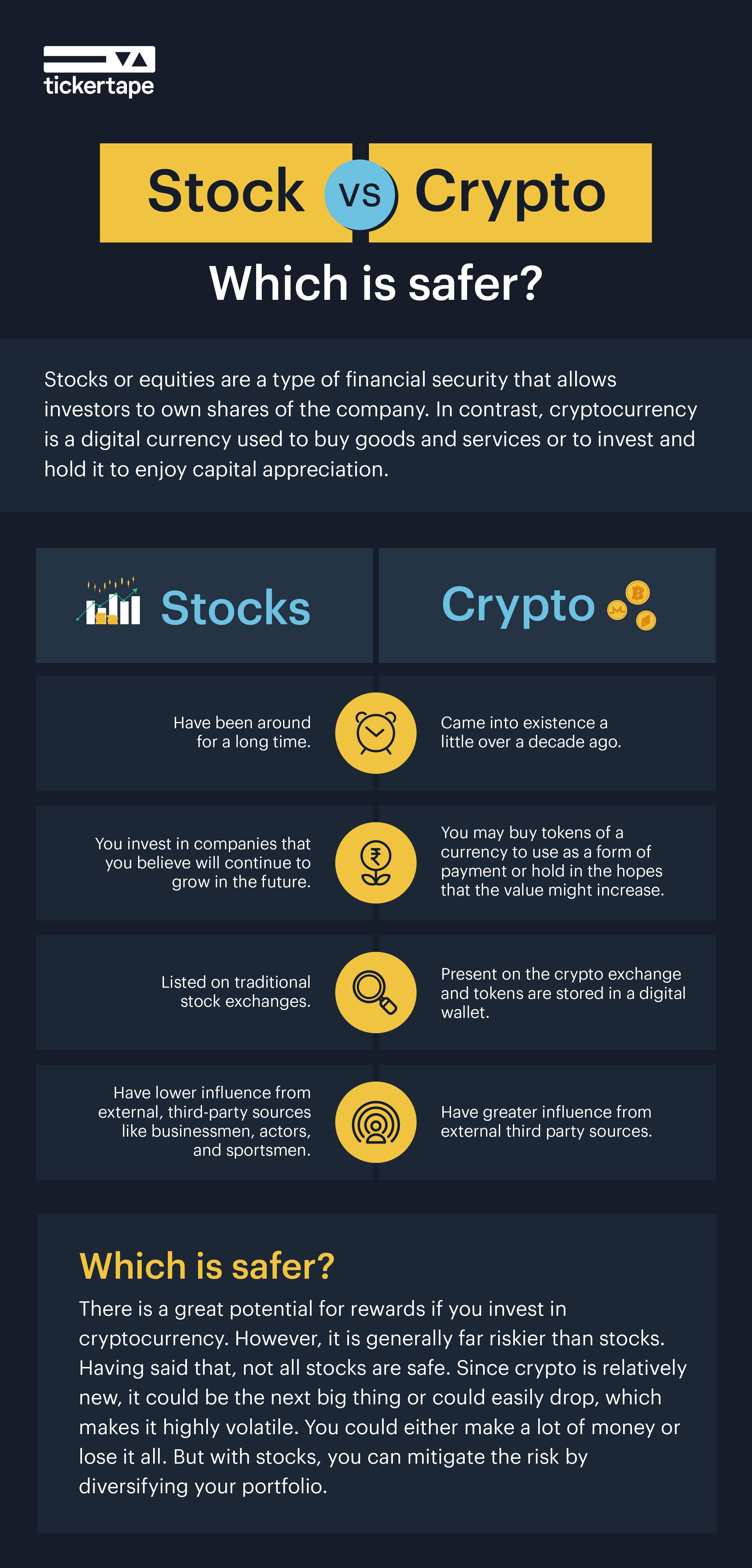
In the ever-evolving landscape of investment opportunities, the debate between traditional stocks and cryptocurrency is one that resonates with many potential investors. Whether you’re just starting your investment journey or looking to diversify your portfolio, understanding the differences and benefits of each option is essential. In this article, we’ll explore the fundamental aspects of both traditional stocks and cryptocurrencies, shedding light on their advantages and disadvantages. By the end, you’ll have a clearer understanding of how to choose between these investment options based on your personal goals and risk tolerance.
Understanding the Basics
What Are Traditional Stocks?
Traditional stocks represent ownership in a company. When you buy shares of a company, you become a partial owner and can benefit from the company’s financial success. Stocks are traded on exchanges and are regulated by government bodies like the Securities and Exchange Commission (SEC). Companies issue shares to raise capital, and in return, shareholders may receive dividends and voting rights.
Advantages:
1. Regulation: Stock markets are heavily regulated to protect investors.
2. Historical Performance: Historically, stocks have shown a strong track record of long-term growth.
3. Dividends: Investors can earn dividends, providing a stream of income.
4. Proven Strategies: There are many established strategies for stock investing, such as value investing and growth investing.
Disadvantages:
1. Market Volatility: Stocks can be affected by market fluctuations, economic downturns, and company performance.
2. Less Control: Investors have little control over the day-to-day operations of the companies they invest in.
What Is Cryptocurrency?
Cryptocurrency is a digital or virtual currency that uses cryptography for security. Unlike traditional currencies, cryptocurrencies are decentralized and often operate on a technology called blockchain. Bitcoin, Ethereum, and Litecoin are just a few examples of popular cryptocurrencies. The appeal of cryptocurrencies lies in their potential for high returns and their ability to bypass traditional financial systems.
Advantages:
1. High Potential Returns: Cryptocurrencies have experienced meteoric rises in value, attracting investors seeking significant returns.
2. Decentralization: Many cryptocurrencies operate independently of governments and central banks, offering greater control over investments.
3. 24/7 Market: Cryptocurrency markets are open 24 hours a day, providing flexibility for trading.
Disadvantages:
1. Volatility: The prices of cryptocurrencies can fluctuate wildly, leading to significant financial risk.
2. Lack of Regulation: The cryptocurrency market is still relatively unregulated, resulting in potential scams and lack of legal recourse.
3. Complexity: Understanding blockchain technology and how different cryptocurrencies work can be daunting for novice investors.
Factors to Consider When Choosing Between Stocks and Cryptocurrencies
When deciding between traditional stocks and cryptocurrencies, several factors should influence your choice. Understanding your financial goals, risk tolerance, and investment timeline is crucial.
1. Financial Goals
Your investment objectives play a pivotal role in determining the best option for you. Are you looking for long-term growth, quick returns, or passive income?
- Long-term Growth: If your goal is long-term growth and you’re willing to weather market fluctuations, traditional stocks may be a better fit. They have a history of capital appreciation, particularly with blue-chip companies over the years.
- Quick Returns: If you’re seeking rapid gains and can handle high volatility, cryptocurrencies may align with your goals. While this comes with significant risk, the potential for exponential returns can be enticing.
2. Risk Tolerance
Risk tolerance varies significantly among investors. Understanding your ability to tolerate market swings is critical.
- Low Risk Tolerance: If you prefer stability and are anxious about losing money, traditional stocks may be the way to go. Dividend-paying stocks can offer a level of income and stability that may appeal to more risk-averse investors.
- High Risk Tolerance: If you’re comfortable with uncertainty and can afford to lose your capital, cryptocurrency could offer the high-risk, high-reward scenario you’re looking for. Just remember, while the potential gains can be great, the potential losses can be equally significant.

- Overcome negative thought patterns, reduce stress, and live a worry-free life
- Overthinking is the biggest cause of unhappiness
- Don't get stuck in a never-ending thought loop
- Stay present and keep your mind off things that don't matter, and never will
- Break free of your self-imposed mental prison
3. Time Commitment
The amount of time you can dedicate to managing your investments is another consideration.
- Less Time Commitment: If you prefer a more hands-off approach, stocks might be more suitable. With well-researched passive investment strategies like index funds or ETFs, you can invest without constant monitoring.
- More Time Commitment: If you’re willing to spend time learning about the market, analyzing trends, and developing strategies, the cryptocurrency space may suit you. It requires constant vigilance due to its rapidly changing nature.
4. Market Knowledge
Your understanding of the investment landscape is essential in making your choice.
- Familiarity with Stocks: If you’re more experienced with traditional markets and understand how they function, sticking with stocks might be more comfortable. You can leverage your knowledge to make informed decisions.
- Interest in Technology and Innovation: If you have a keen interest in emerging technologies and the future of finance, digital assets might captivate you. Cryptocurrency is rooted in blockchain technology, and being knowledgeable in tech can have advantages in assessing which coins to invest in.
5. Diversification Strategy
A well-balanced investment portfolio is one that is diversified across various asset classes.
- Incorporating Stocks: Traditional stocks have been the cornerstone of most investment portfolios for decades. They offer stability and dividends, making them attractive for diversification.
- Incorporating Cryptocurrencies: Adding cryptocurrencies can provide significant growth potential and may act as a hedge against inflation, particularly as more institutional investors enter the crypto space.
Evaluating Each Investment Option
Performance Over Time
When assessing both investment types, it’s crucial to look at their historical performance. Stocks have demonstrated long-term growth, especially when reinvesting dividends. However, cryptocurrency has shown the capacity for rapid appreciation, with substantial gains in shorter time frames.
Regulatory Environment
The landscape for regulations is significantly more established for stocks. Investors have protections and disclosures mandated by the SEC. In contrast, the crypto market lacks comprehensive legal frameworks, exposing investors to risks.
Emotional Considerations
Investing is not just about numbers; it’s also about emotions. The volatility of cryptocurrencies can lead to stress for some investors, causing rash decisions. With more stability in stocks, long-term investors may find it easier to stick to their strategy without succumbing to market emotions.
Conclusion
So, how do you choose between traditional stocks and cryptocurrency investments? The best approach is to assess your personal financial goals, risk tolerance, time commitment, and overall market knowledge. While both investment types present unique opportunities, they also come with inherent risks. Consider starting with a diversified portfolio to accommodate both traditional and innovative investment options.
Ultimately, whether you lean toward stocks, cryptocurrencies, or a combination of both, doing thorough research and staying informed is key. Keep in mind that investment landscapes change and evolve, and the strategy that works for you today may require adjustments in the future. In the end, the most successful investors are those who remain adaptable, educated, and aware of their financial situations.


