
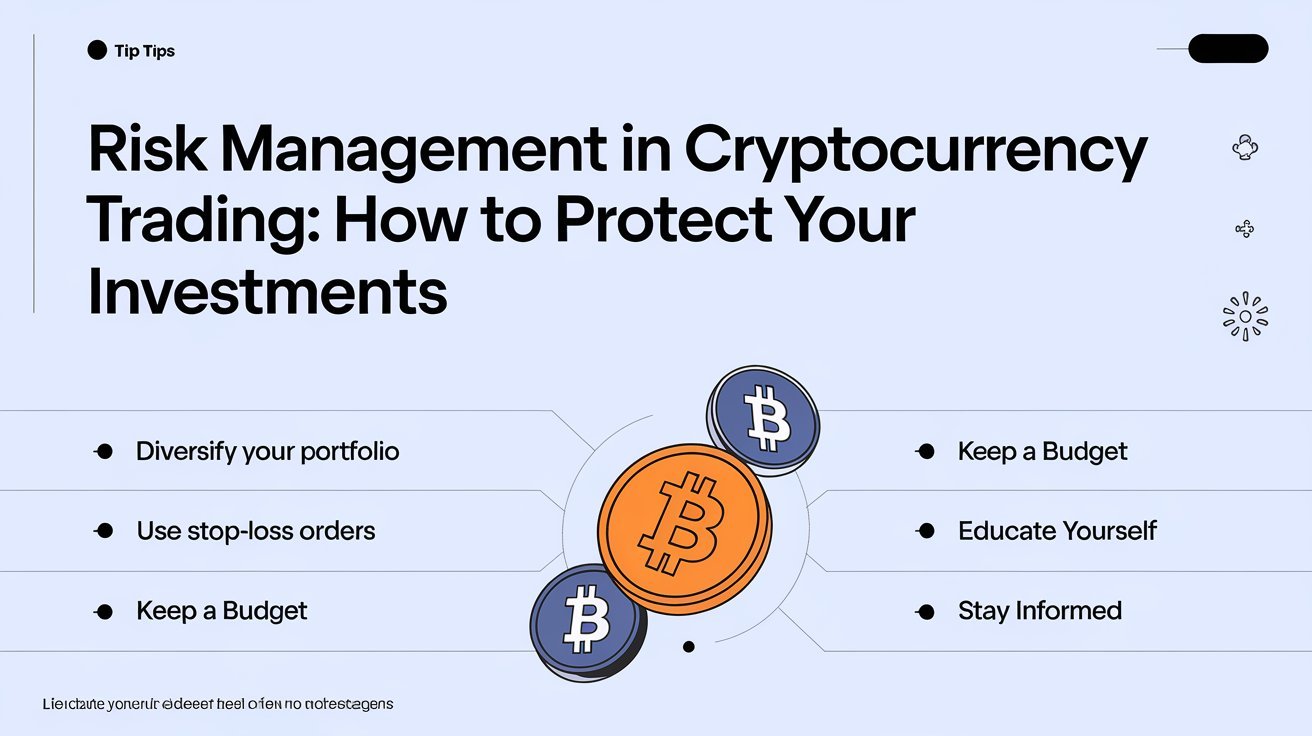
In the evolving landscapes of finance and technology, cryptocurrency has carved out a significant niche, transforming how we think about money and investment. But as alluring as the prospect of digital currencies may be, they come with their share of risks. Understanding these perilous aspects is crucial for anyone looking to navigate the crypto market effectively. In this article, we’ll explore the potential risks associated with cryptocurrency investments and provide you with practical strategies to safeguard your portfolio.
Understanding Cryptocurrency: A Brief Overview
Cryptocurrency is a digital or virtual form of currency that uses cryptography for security. Unlike traditional currencies issued by governments (fiat money), cryptocurrencies operate on decentralized platforms, primarily based on blockchain technology. Some of the most prominent cryptocurrencies include Bitcoin (BTC), Ethereum (ETH), and Ripple (XRP). While the decentralized nature of cryptocurrencies offers unique investment opportunities, it also presents significant risks that can impact your financial health.
The Promise of High Returns
One of the main attractions to cryptocurrency investment is the potential for high returns. Early adopters of Bitcoin, for instance, saw a staggering increase in their investments, leading many to view cryptocurrencies as a lucrative asset. However, with high rewards come high risks. The volatility of the crypto market can lead to significant losses just as quickly as it can lead to gains.
The Risks Involved in Cryptocurrency Investment
1. Market Volatility
One of the most significant risks of cryptocurrency investing is its inherent volatility. Prices can skyrocket one moment and plummet the next, driven by market speculation, regulatory news, and macroeconomic events. For instance, Bitcoin reached an all-time high in late 2020, only to see a dramatic downturn in the months that followed. As an investor, failing to recognize how quickly market sentiment can change may lead to impulsive decisions that could jeopardize your portfolio.
2. Regulatory Concerns
Another crucial risk in the realm of cryptocurrency is regulatory uncertainty. Governments worldwide are still trying to figure out how to regulate digital currencies, and changes in legislation can lead to drastic shifts in market conditions. For example, China’s crackdown on cryptocurrency mining and trading in 2021 caused significant price drops across various cryptocurrencies. The lack of a clear regulatory framework can expose investors to potential legal issues as well.
3. Security Risks
Cryptocurrencies rely on digital wallets for storage, which can be susceptible to hacking and security breaches. There have been numerous high-profile thefts in the crypto space, resulting in millions of dollars lost by investors. Once a cryptocurrency transaction is made, it is irreversible; thus, stolen funds often cannot be recovered. Ensuring that you take robust security measures around your investments is crucial to safeguarding your portfolio.
4. Lack of Consumer Protections
Unlike traditional investments, there is often a lack of regulatory oversight and consumer protection in the cryptocurrency market. Many projects may not have adequate disclosures, making it challenging for investors to understand the risks involved. Furthermore, the potential for fraud and scams is rampant in this unregulated space. New investors, in particular, must be cautious and thoroughly research any cryptocurrency before investing.
5. Technological Risks
The cryptocurrency market is driven by technology, and its innovations can sometimes be a double-edged sword. Bugs in the code, forks in the blockchain, or issues related to scalability can expose investors to risks that are difficult to predict. Additionally, an entirely new cryptocurrency can emerge and rapidly displace an existing one, making established coins less valuable almost overnight.
Protecting Your Cryptocurrency Portfolio
While risks are an inherent part of cryptocurrency investment, there are several strategies that you can implement to help mitigate those risks. Here’s a comprehensive look at how to protect your portfolio effectively:
1. Diversification
One of the foundational principles of investing is diversification. Rather than putting all your funds into a single cryptocurrency, consider spreading your investments across various coins. This helps to minimize risks and balance potential losses. For example, pairing established cryptocurrencies like Bitcoin and Ethereum with smaller altcoins could help diversify your risk exposure.

- Overcome negative thought patterns, reduce stress, and live a worry-free life
- Overthinking is the biggest cause of unhappiness
- Don't get stuck in a never-ending thought loop
- Stay present and keep your mind off things that don't matter, and never will
- Break free of your self-imposed mental prison
2. Conduct Thorough Research
Before jumping into any investment, be sure to conduct extensive research. Understand the project behind the cryptocurrency, the team involved, its use case, and the market conditions. Look for whitepapers and reviews from credible sources, as they can provide insight into the legitimacy and potential of the coin you are considering.
3. Use Secure Wallets
The security of your cryptocurrency must be your top priority. Opt for hardware wallets or reputable software wallets for long-term storage. These wallets typically offer advanced security features that minimize the risk of hacking. Always enable two-factor authentication and keep your private keys secure and offline whenever possible. Additionally, ensure that you are using trusted exchanges and platforms for buying and trading cryptocurrencies.
4. Stay Updated on Regulatory Changes
Keeping abreast of regulatory changes in the cryptocurrency landscape is vital. Regulatory announcements can significantly impact the value of cryptocurrencies, so staying informed will help you prepare for potential market shifts. Set news alerts, follow reliable sources, and actively engage with cryptocurrency communities to stay updated.
5. Implement Risk Management Strategies
Establish a clear risk management strategy before making any investment decisions. Determine how much capital you are willing to risk on each trade and set stop-loss orders to minimize potential losses. Additionally, consider taking profits at regular intervals instead of holding on until peak value to lock in gains and reduce exposure.
6. Limit the Amount You Invest
Only invest money that you can afford to lose. This is especially true in the highly volatile world of cryptocurrency, where it’s entirely possible for your investments to lose significant value quickly. Setting limits on how much of your total investment portfolio is allocated to cryptocurrencies can help you manage the risk exposure effectively.
7. Be Cautious with Leverage
Leverage can amplify gains in trading but increases the potential for significant losses as well. If you’re considering trading on margin, ensure you fully understand the risks involved. Using leverage might seem like a way to maximize your profits, but it can quickly turn against you, leading to substantial financial strain.
8. Plan for the Long-Term
Cryptocurrency markets can be incredibly unpredictable in the short term. Opting for a long-term investment strategy can help you weather market volatility and avoid panic selling. Consider your investment goals and time horizon, and avoid the temptation to react to day-to-day market fluctuations.
9. Utilize Analytical Tools
Numerous analytical tools are available that can aid you in making informed investment decisions in the cryptocurrency space. Use market analysis platforms to track price movements, trading volumes, and market sentiment. These tools can provide valuable insights, helping you make more calculated decisions rather than relying on emotion.
10. Network with Other Investors
Engaging with other cryptocurrency investors can provide valuable insights and perspectives that you might not have considered. Join online forums, attend meetups, or participate in crypto-related events. This interaction allows you to share experiences, learn from others’ strategies, and stay abreast of changes in the market.
Conclusion
Investing in cryptocurrency can be a rewarding venture, but it is essential to acknowledge and understand the associated risks. By employing effective strategies for portfolio protection—such as diversification, thorough research, secure storage, and sound risk management—you can navigate the crypto landscape more prudently. Remember that in the world of cryptocurrencies, knowledge, vigilance, and a structured approach can make all the difference.
Stay informed, continue to learn, and you may be well-positioned not only to survive the volatility but to thrive in the ever-evolving world of cryptocurrency investment.


