
As the world of digital currency continues to evolve, the allure of cryptocurrency investment grows ever stronger. For many, investments in Bitcoin, Ethereum, and a myriad of altcoins can appear as lucrative opportunities. However, with great potential reward comes significant risk. Understanding how to safely invest in cryptocurrency through diversified portfolios can help mitigate these risks while allowing you to explore the expansive world of digital assets.
In this guide, we will delve into strategies for cryptocurrency investment, focusing on the importance of diversification, understanding various cryptocurrencies, risk assessment, and practical tips for safe investing.
Understanding Cryptocurrency
Before diving into investments, it’s crucial to grasp the essence of cryptocurrency. Cryptocurrencies are digital or virtual currencies that use cryptography for security, making them nearly impossible to counterfeit. Blockchain technology underpins them, ensuring transparent and decentralized transaction records.
The volatility of these assets is a double-edged sword; while significant price shifts can lead to considerable rewards, they can also result in considerable losses. That’s why it’s important to adopt a diversified investment strategy when entering this realm.
Importance of Diversification
What is Diversification?
Diversification is the practice of spreading investments across various assets to reduce risk. In the context of cryptocurrency, this means allocating your funds to different coins and projects rather than concentrating too heavily on one. By diversifying, you increase your chances of benefiting from the potential growth of various assets and decrease the impact of a poor-performing one.
The Risks of Not Diversifying
Investing solely in one cryptocurrency, such as Bitcoin, can be risky. If market conditions were to turn against that coin, your entire investment could suffer dramatically. Additionally, many cryptocurrencies experience cycles of highs and lows; what goes up must eventually come down. Therefore, having a broader portfolio ensures that you’re not entirely at the mercy of the fluctuations of a single asset.
How to Build a Diversified Crypto Portfolio
Creating a well-rounded cryptocurrency portfolio is akin to constructing a multi-faceted investment strategy. Here are steps you can take to ensure you’re on the right path:
1. Research Different Cryptocurrencies
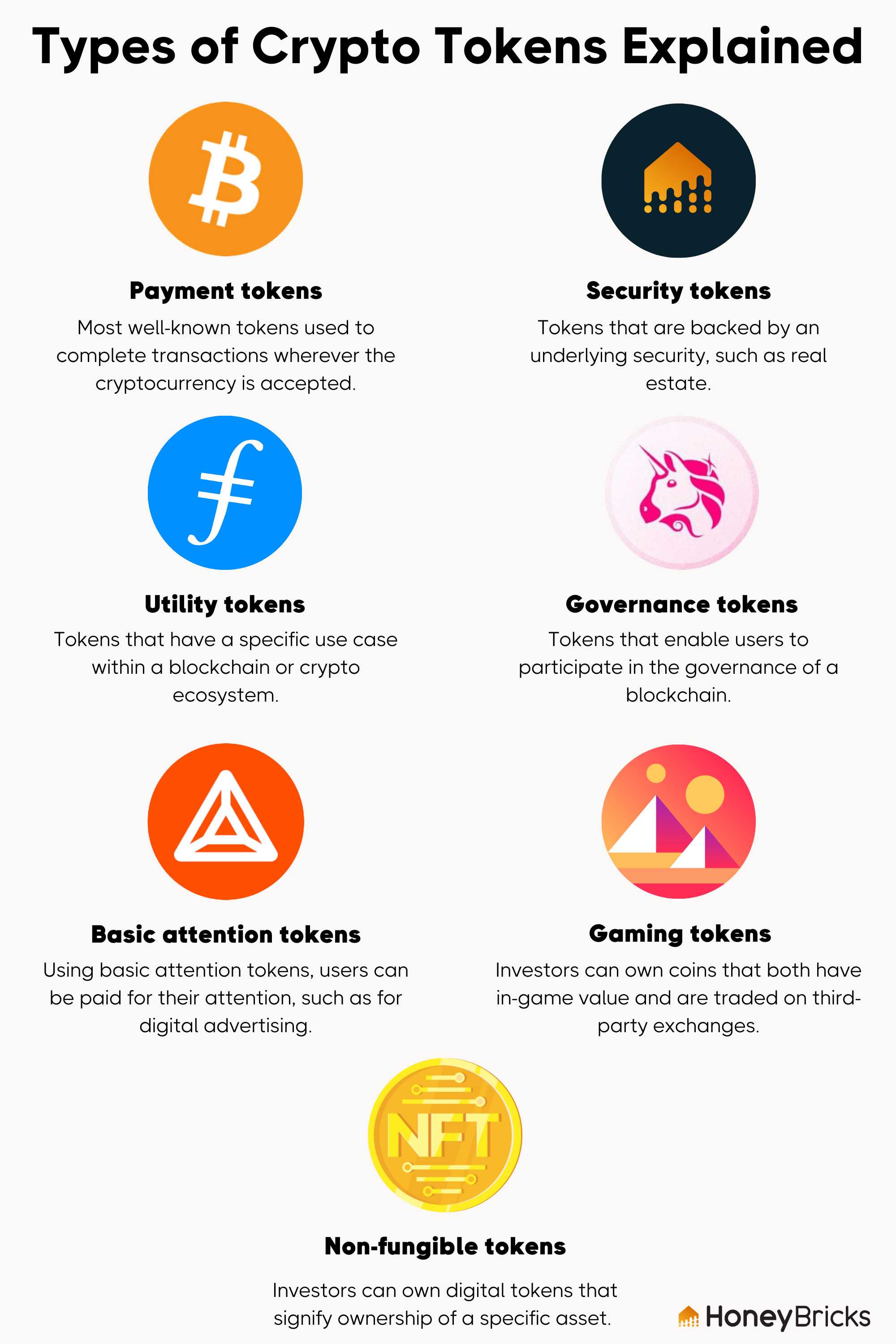
Before investing, familiarize yourself with the cryptocurrencies available. Here are some common types:
- Bitcoin (BTC): The pioneer and most established cryptocurrency. Often referred to as digital gold, it serves as a store of value.
- Ethereum (ETH): Known for its smart contract functionalities, Ethereum supports a vast ecosystem of decentralized applications (dApps).
- Stablecoins: Coins like Tether (USDT) and USD Coin (USDC) are pegged to stable assets (like the US dollar) and serve as a hedge against volatility.
- DeFi Projects: Decentralized finance platforms offer innovative financial services, often involving lending, borrowing, and trading. Examples include Uniswap and Aave.
2. Determine Asset Allocation
Once you’ve researched various cryptocurrencies, the next step is to decide how to allocate your funds. Here’s a simple framework:
- Core Holdings (50-70%): Allocate the majority to established cryptocurrencies (e.g., Bitcoin and Ethereum) that have stood the test of time.
- Growth Assets (20-30%): Invest a smaller portion in altcoins or emerging projects that have potential for significant growth.
- Speculative Investments (10-20%): Finally, you might set aside a small portion for speculative investments in new or less-known coins. This is the riskiest category, and you should only invest what you can afford to lose.
3. Regularly Rebalance Your Portfolio
Cryptocurrency markets are constantly changing; what looks promising today may not hold the same potential tomorrow. Regularly reviewing your portfolio allocation allows you to:
- Adjust your investments based on new data or changes in market trends.
- Cash out profits from high-performing assets and reinvest them into others.
A general recommendation is to rebalance your portfolio every 3 to 6 months, but you should also stay informed about significant market developments.

- Overcome negative thought patterns, reduce stress, and live a worry-free life
- Overthinking is the biggest cause of unhappiness
- Don't get stuck in a never-ending thought loop
- Stay present and keep your mind off things that don't matter, and never will
- Break free of your self-imposed mental prison
Risk Assessment and Mitigation
Market Volatility
Investors must acknowledge that cryptocurrency markets are volatile. Prices can soar, only to plummet within hours. Risk assessment involves understanding and preparing for the following elements:
- Price Fluctuations: Monitor historical price charts to identify potential patterns or trends.
- Market Sentiment: Follow news and social media to gauge investor sentiment, which can impact prices.
Security Risks
Another aspect of risk involves the storage of your cryptocurrencies. Here are ways to enhance security:
- Use Hardware Wallets: While exchanges are convenient for trading, they can be vulnerable to hacks. Hardware wallets (such as Ledger or Trezor) store your cryptos offline and are significantly safer.
- Enable Two-Factor Authentication (2FA): This adds an extra layer of security to your exchange accounts, making it harder for unauthorized users to access your assets.
- Conduct Thorough Research on Exchanges: Only use reputable exchanges with a strong track record of security. Read reviews and investigate their security measures.
Psychological Risks
Investing in cryptocurrency can elicit strong emotions, from euphoria during market highs to panic during lows. To combat psychological risks:
- Set Clear Goals: Determine what you aim to achieve with your investments. Are you looking for short-term gains or long-term wealth accumulation?
- Stick to Your Plan: Emotional decisions often lead to losses. Adhere to your investment strategy even during tumultuous times.
- Limit Time on Social Media: Continuous exposure to market news can drive impulsive decisions. Schedule specific times for market checks to avoid constant stress.
Practical Tips for Safe Investing
1. Stay Educated
Investing in cryptocurrency requires ongoing education. Follow credible news outlets, subscribe to newsletters, and participate in forums dedicated to crypto discussions. The more informed you are, the better equipped you’ll be to make sound investment decisions.
2. Never Invest More Than You Can Afford to Lose
This adage rings especially true in the cryptocurrency sector. Given its volatility, it’s vital to only invest money that won’t adversely affect your financial well-being if lost. This principle also helps in managing psychological pressures.
3. Use Dollar-Cost Averaging
Rather than investing a lump sum, consider dollar-cost averaging (DCA). This strategy involves investing a fixed amount of money at regular intervals, regardless of the price of the assets. DCA can reduce the impact of market volatility and lower the average cost of your investments over time.
4. Take Advantage of Tax-Advantaged Accounts
If applicable, utilize accounts that provide tax benefits for investments. For example, in the U.S., certain self-directed IRAs allow you to invest in cryptocurrency while enjoying tax advantages. Consult with a financial advisor to understand the best options for your situation.
5. Keep Emotions in Check
In a volatile market, emotions can drive behavior and lead to rash decisions. Practice mindfulness and maintain a disciplined investment approach. Creating an actionable plan and setting limits can keep your emotions in check, helping you stay focused on your long-term goals.
Conclusion
Investing in cryptocurrency can be a rewarding venture if approached with caution and a strategic mindset. By understanding the importance of diversifying your portfolio, conducting thorough research, and implementing risk assessment strategies, you can mitigate potential losses and maximize your chances of success.
Remember, while cryptocurrencies hold great potential, they also come with inherent risks. Always stay informed, adopt best practices, and invest wisely. Whether you’re a seasoned investor or just starting on your crypto journey, fostering a disciplined and educated approach will help you navigate the complexities of the cryptocurrency market safely.
In an environment marked by rapid changes, commitment to continuous learning and a solid investment strategy will serve you well in your quest to safely invest in cryptocurrency with diversified portfolios. Happy investing!


