
Retirement is a significant phase that everyone looks forward to, yet planning for it can seem overwhelming. As you prepare for your golden years, choosing the right investment strategy is crucial. One of the most popular methods among financial experts and individual investors alike is the use of index funds. In this article, we will explore how to use index funds for safe and steady retirement investment growth, ensuring that you can maintain your desired lifestyle in the years to come.
What Are Index Funds?
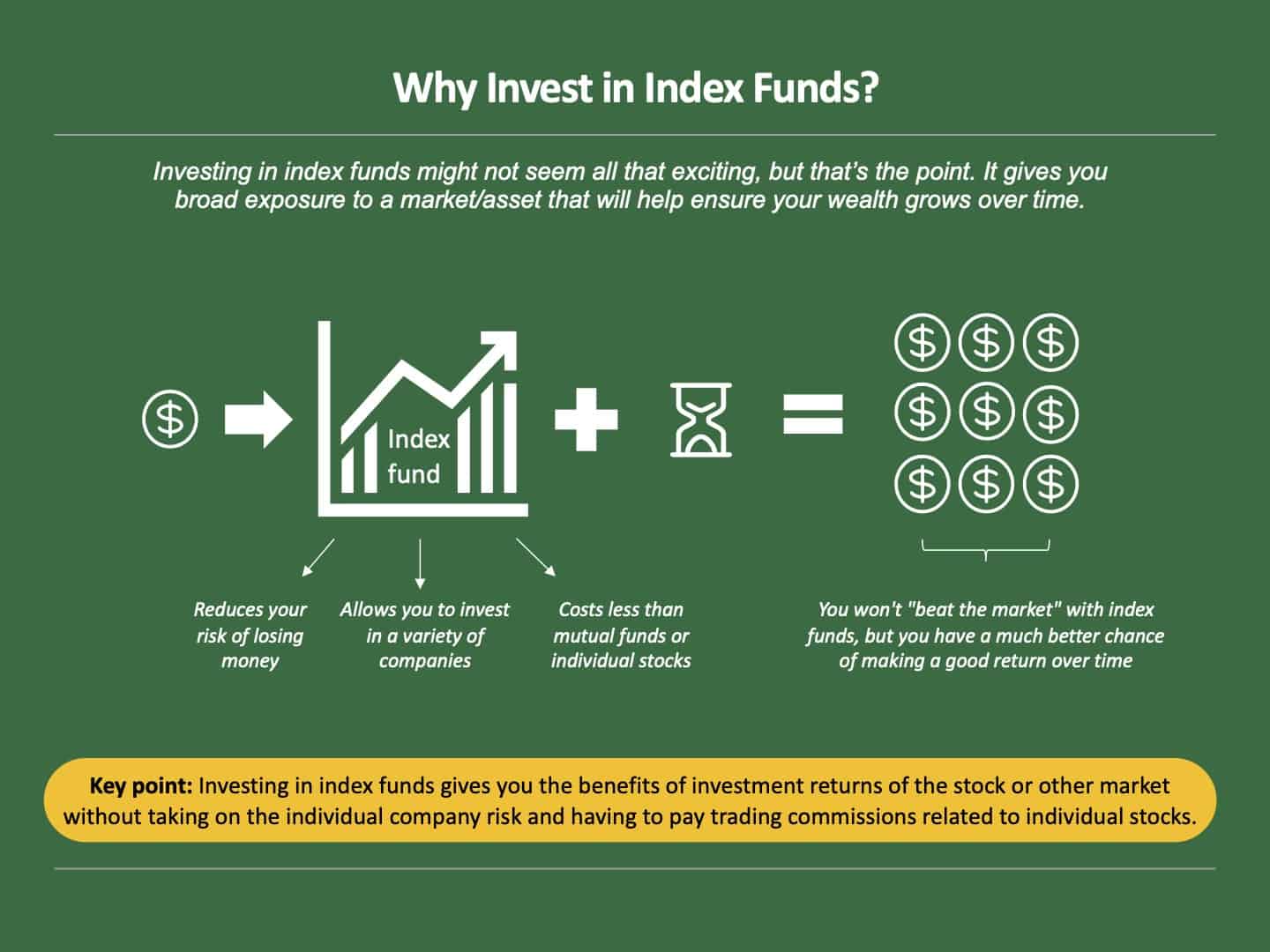
Before diving into how you can use index funds for retirement, it’s essential to understand what they are. Index funds are a type of mutual fund or exchange-traded fund (ETF) designed to replicate the performance of a specific market index, such as the S&P 500 or the Dow Jones Industrial Average. Instead of trying to outperform the market through individual stock selection, index funds aim to match the market’s overall performance.
Advantages of Index Funds
1. Low Costs: One of the primary benefits of index funds is their low fees. Since they are passively managed (tracking an index instead of requiring active management), the costs associated with management and trading are significantly lower compared to actively managed funds.
2. Diversification: When investing in an index fund, you essentially invest in a broad range of companies within a particular index. This diversification reduces risk because a poor performance by one company is offset by the performance of others within the index.
3. Simplicity: Index funds are straightforward to understand, making them an excellent choice for beginner investors. You don’t need to spend hours researching individual stocks — simply choose an index fund that tracks an index you believe will perform well over the long term.
Using Index Funds for Retirement Investing
Now that we’ve covered the basics let’s delve into how you can effectively utilize index funds for your retirement investments.
Step 1: Set Clear Retirement Goals
Before making any investment, it’s vital to set clear and achievable retirement goals. Consider the following questions:
- At what age do you plan to retire?
- What annual income will you need to maintain your desired lifestyle?
- What expenses do you anticipate during retirement?
Writing down your goals will provide a roadmap for your investment strategy and help you choose the appropriate index funds for your portfolio.
Step 2: Assess Your Risk Tolerance
Understanding your risk tolerance is crucial when using index funds to grow your retirement savings. Risk tolerance varies among individuals based on factors such as age, financial situation, and investment experience.
-
Younger Investors: If you are in your 20s or 30s, you might have a higher risk tolerance since you have more time to recover from market downturns. This age group may focus more on growth-oriented index funds.
-
Pre-Retirement: If you are approaching retirement age, you might want to adopt a more conservative approach, favoring index funds that track more stable indices or sector funds like consumer staples or utilities.
Step 3: Choose the Right Index Funds
Once you understand your goals and risk tolerance, it’s time to select the appropriate index funds. Here are a few types to consider:
1. Broad Market Index Funds: These funds, such as those tracking the S&P 500 or the Total Stock Market Index, provide exposure to a wide range of U.S. companies, promoting market diversification.
2. International Index Funds: Investing in international index funds allows you to diversify beyond the U.S. market. This can be especially beneficial if certain regions of the world are growing more quickly than the U.S.
3. Bond Index Funds: As you near retirement, consider incorporating bond index funds into your portfolio. These funds can provide stability during market downturns and offer steady income through interest payments.

- Overcome negative thought patterns, reduce stress, and live a worry-free life
- Overthinking is the biggest cause of unhappiness
- Don't get stuck in a never-ending thought loop
- Stay present and keep your mind off things that don't matter, and never will
- Break free of your self-imposed mental prison
4. Sector Index Funds: If you believe certain sectors will perform exceptionally well over the long term (e.g., technology, healthcare), sector index funds may be worth exploring. However, keep in mind that they tend to be riskier and should be used sparingly as a supplement to a more diversified approach.
Step 4: Automate and Contribute Regularly
One of the most effective strategies when investing in index funds is to automate your contributions. This strategy not only ensures that you consistently invest but also employs a strategy called dollar-cost averaging. By investing a fixed amount regularly, you buy more shares when prices are low and fewer shares when prices are high, effectively lowering your overall investment cost.
If your employer offers a 401(k) plan with an index fund option, take advantage of it. Many plans offer matching contributions, which can significantly boost your retirement savings without any additional effort on your part.
Step 5: Monitor Your Investments
While index funds are typically a long-term investment strategy, it’s essential to periodically review your portfolio to ensure it’s aligned with your goals and risk tolerance. Life events like marriage, home purchases, or job changes may necessitate adjustments to your investment strategy.
Keep an eye on the performance of the index funds in your portfolio. If a particular index consistently underperforms for an extended period, it may be worth reevaluating your approach. However, remember that investing is a long-term game. The market can fluctuate dramatically in the short term, so resist the urge to make impulsive decisions based on daily or monthly performance.
Step 6: Rebalance Your Portfolio
As you get closer to retirement, you’ll want to ensure your asset allocation reflects your decreased risk tolerance. Rebalancing involves adjusting your portfolio to regain your desired allocation between stocks and bonds.
For example, if your target asset allocation is 70% stocks and 30% bonds and your stocks have grown to 80%, you might sell some of those stocks and invest the proceeds into bonds to return to your target allocation.
The Power of Compounding
One of the most compelling reasons to invest in index funds early is the power of compounding. When you reinvest dividends and gains instead of taking them as cash, your money can grow exponentially over time.
Consider this: if you invest $10,000 in an index fund with an average annual return of 7%, after 30 years, your investment could grow to more than $76,000. This compounding effect is vital for building a sizable retirement nest egg.
The Importance of Patience
Investing in index funds for retirement requires patience and discipline. Markets will fluctuate, and there will be moments when it feels uncomfortable. It’s essential to stay the course and stick to your investment strategy. Remember that historical data shows that, over the long run, the stock market has provided positive returns.
Conclusion
In summary, using index funds for retirement investment growth can be a safe, reliable, and effective way to ensure that you enjoy the retirement lifestyle you desire. By setting clear goals, assessing your risk tolerance, selecting the right funds, automating contributions, and monitoring your investments, you can create a robust retirement portfolio built for steady growth. Most importantly, remember that investing is a marathon, not a sprint, and with patience and perseverance, index funds can help you achieve your financial dreams for retirement. Happy investing!


