
Investing is a crucial aspect of building personal wealth, but it can also be a complex game filled with intricacies and regulations. One significant rule of thumb that seasoned investors swear by is leveraging tax-advantaged accounts. Whether you’re looking to secure your retirement, save for your child’s education, or build general wealth, understanding how to use these accounts can enhance your investment strategies significantly. So, how do you make the most of tax-advantaged accounts while also navigating the world of investments? Let’s break it down.
What Are Tax-Advantaged Accounts?
Tax-advantaged accounts are financial accounts designed to encourage savings for specific purposes by offering tax benefits. These benefits can come in the form of tax deductions, tax-free growth, or tax-free withdrawals. In the United States, there are several types of tax-advantaged accounts available, each serving various financial goals.
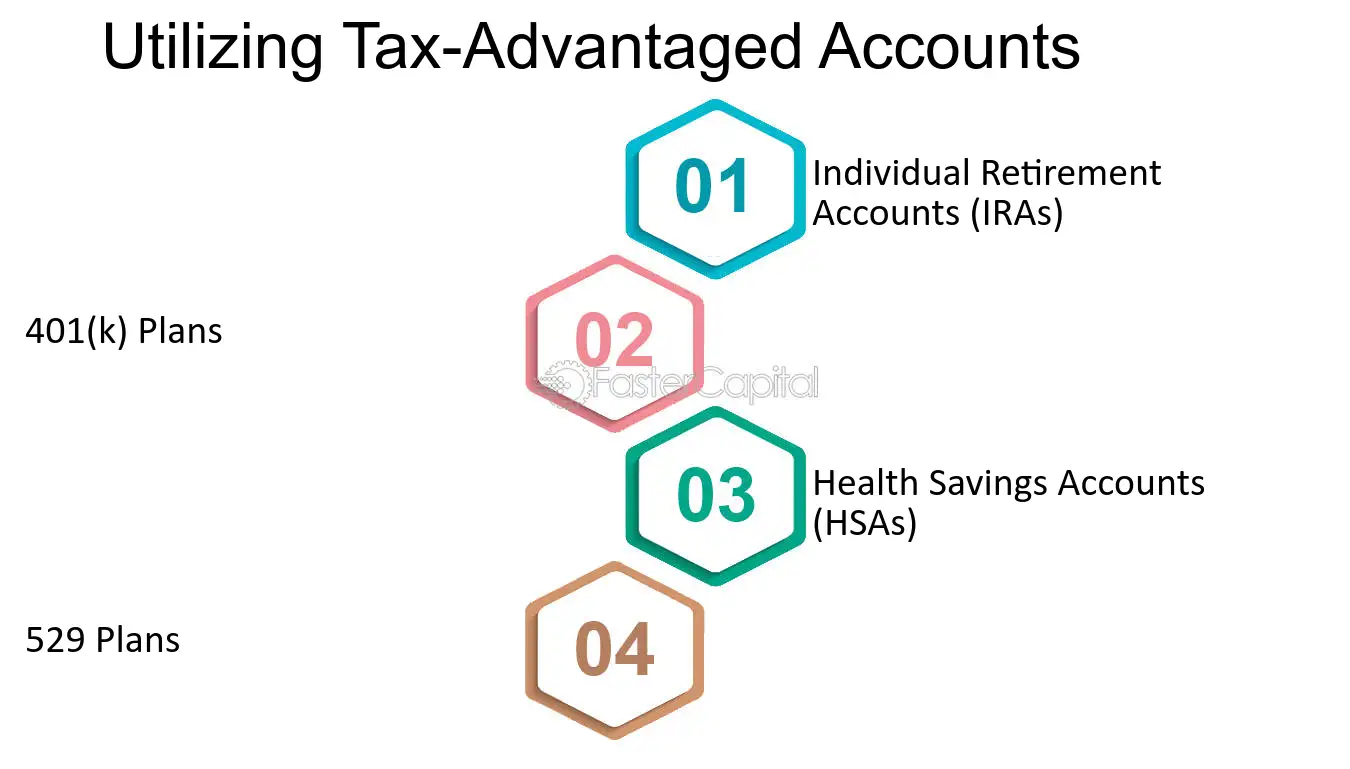
Common Types of Tax-Advantaged Accounts
-
Individual Retirement Accounts (IRAs):
-
Traditional IRA: Contributions are often tax-deductible, and the investments grow tax-deferred until withdrawal during retirement.
-
Roth IRA: Contributions are made with after-tax dollars, but qualified withdrawals in retirement are tax-free.
-
401(k) and 403(b) Plans: Employer-sponsored retirement plans that allow employees to defer a portion of their income into a retirement account. Contributions are tax-deductible on traditional plans, while Roth options allow for tax-free withdrawals in retirement.
-
Health Savings Accounts (HSAs): These accounts are linked to high-deductible health plans and allow you to set aside money tax-free for medical expenses.
-
529 College Savings Plans: Designed for saving for educational expenses, contributions grow tax-free, and withdrawals for qualified education expenses are also tax-free.
-
Flexible Spending Accounts (FSAs): These accounts allow employees to set aside pre-tax dollars for eligible medical expenses.
Why Use Tax-Advantaged Accounts?
The primary advantage of using tax-advantaged accounts is the potential to accelerate your wealth-building process. Here’s how:
-
Tax-Free Growth: Earnings within these accounts grow either tax-deferred or tax-free, allowing you to compound your investment without the immediate tax implications.
-
Tax Deductions: Contributions to certain accounts may be tax-deductible, reducing your taxable income for the year and lowering your overall tax liability.
-
Educational Benefits: For those with children, education savings accounts are invaluable as they provide tax advantages specifically for funding education.
Crafting a Smarter Investment Strategy
To integrate tax-advantaged accounts into a smarter investment strategy, you need to have a clear understanding of your financial goals, risk tolerance, and the specifics of each account. Here are some actionable steps you can take.
1. Set Clear Financial Goals
Before you delve into investment strategies, outline your financial objectives. Are you saving for retirement, a home, or your child’s education? Your goals will dictate which tax-advantaged accounts suit you best.
2. Understand Contribution Limits
Each tax-advantaged account comes with specific contribution limits. Familiarize yourself with these limits and consider maximizing contributions when financially feasible.
For example, in 2023, the contribution limit for a 401(k) is $22,500 for individuals under 50 years old. If you’re over 50, you can make an catch-up contribution of an additional $7,500. Knowing these caps will allow you to harness the full benefits of your accounts.

- Overcome negative thought patterns, reduce stress, and live a worry-free life
- Overthinking is the biggest cause of unhappiness
- Don't get stuck in a never-ending thought loop
- Stay present and keep your mind off things that don't matter, and never will
- Break free of your self-imposed mental prison
3. Diversification is Key
While the tax-advantaged nature of these accounts is appealing, it’s essential not to neglect investment diversification. Within these accounts, you can choose to invest in stocks, bonds, mutual funds, or even real estate real estate investment trusts (REITs). Spreading your investments across various asset classes helps mitigate risk.
4. Roth vs. Traditional: What’s Best for You?
Deciding between a Roth or Traditional IRA is one of the most critical decisions you can make. If you believe your tax rate during retirement will be higher than it is now, a Roth IRA might be the better choice, allowing you to pay taxes upfront. Conversely, if you expect to be in a lower tax bracket in retirement, a Traditional IRA provides immediate tax benefits since contributions are tax-deductible.
5. Make the Most of Employer Matches
If you have access to an employer-sponsored retirement plan, take advantage of any matching contributions. It is essentially free money! Ensure you contribute at least enough to secure the full match to maximize your investment potential.
6. Plan for Withdrawals Wisely
Understanding the rules around withdrawals is crucial. For example, early withdrawals from retirement accounts typically incur penalties except in specific circumstances. Each account has different regulations regarding withdrawals, so planning these outings is essential to avoid unnecessary penalties and taxes.
7. Regularly Review Your Strategy
Markets fluctuate and personal circumstances change. To stay on course, regularly review your investment strategy and make adjustments as needed. Consider rebalancing your portfolio at least once a year to maintain your desired asset allocation.
Investment Strategies for Specific Tax-Advantaged Accounts
401(k) and 403(b): Employer-Sponsored Plans
For those using a 401(k) or a 403(b), consider a mix of stock and bond mutual funds to balance growth potential and security. Target-date funds are also a great option, as they automatically rebalance based on your expected retirement date, adjusting risk over time.
IRA Investments
In IRAs, a similar diversification strategy applies, utilizing a mix of stocks, bonds, ETFs, and Real Estate Investment Trusts (REITs). Investing in tax-efficient funds that minimize taxable distributions can also enhance your returns.
Health Savings Accounts (HSAs)
An often-overlooked investment strategy is utilizing HSAs not just for medical expenses but as a secondary retirement account. You can invest HSA funds in various assets and allow them to grow tax-free until retirement. After age 65, withdrawals for non-medical expenses are taxed at regular income rates, making HSAs a fantastic long-term investment vehicle.
529 Plans
When investing in a 529 Plan, look for low-cost, diversified mutual funds. These accounts typically offer a range of investment options that align with various risk tolerances. Start contributions early to benefit from the power of compound growth.
Conclusion
Using tax-advantaged accounts isn’t merely a financial strategy; it’s a path towards smarter, more effective investing. By understanding the different types of accounts and harnessing their potential, you can accelerate your journey to financial security, whether it’s for retirement, education, or other financial goals.
Incorporating tax-advantaged accounts into your investment strategy requires planning, discipline, and a willingness to learn. By aligning your financial goals with the appropriate accounts and investment strategies, you’re setting yourself up for financial stability and success. So, get started today and watch your investments grow!


