
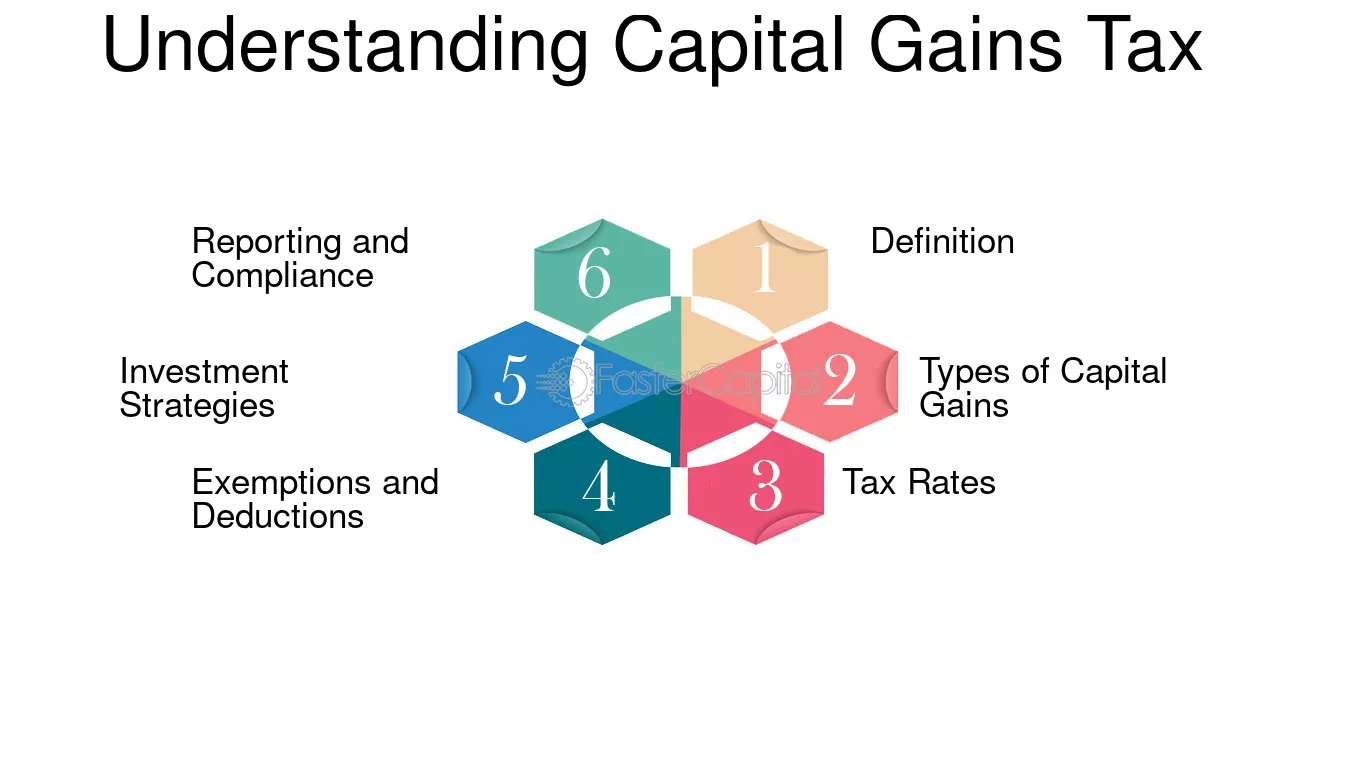
When the world of investing beckons, many individuals find themselves diving into stocks, real estate, or other asset classes, often filled with optimism about potential gains. However, with great potential returns comes a crucial consideration: capital gains tax. Whether you’re a seasoned investor or just dipping your toes into the market, understanding capital gains tax—and knowing how to minimize it—can significantly impact your investment returns.
What is Capital Gains Tax?
Capital gains tax is a tax on the profit realized from the sale of non-inventory assets. This tax is applied to the profit earned when you sell an asset for more than what you paid for it. Common assets subject to capital gains tax include stocks, real estate, and collectibles.
The capital gains tax can be classified into two categories:
-
Short-Term Capital Gains Tax: If you sell an asset you’ve held for one year or less, any profit you make is considered short-term capital gains. This type of gain is taxed at your ordinary income tax rate, which can be substantially higher than rates applicable to long-term gains.
-
Long-Term Capital Gains Tax: For assets held longer than one year, any profit falls under long-term capital gains. These gains are often taxed at a reduced rate, typically ranging from 0% to 20%, depending on your taxable income.
Why Understanding Capital Gains Tax is Crucial for Investors
Investors who grasp the implications of capital gains tax can make informed decisions that maximize their returns. An understanding of this tax can guide investment strategies and help investors navigate the complexities of the market with more confidence.
The Basics of Capital Gains Tax Rates
Before diving into strategies to minimize capital gains tax, it’s essential to know the current tax rates. As of 2023, the long-term capital gains tax rates for individuals are as follows:
- 0% rate for single filers with taxable income up to $44,625 and married couples up to $89,250.
- 15% rate for single filers with taxable income between $44,626 and $492,300 and married couples between $89,251 and $553,850.
- 20% rate for single filers with taxable income over $492,300 and married couples over $553,850.
Understanding these brackets is vital for tax planning and investment decisions. The goal should always be to employ methods to minimize tax liabilities legally.
Strategies to Minimize Capital Gains Tax
Here are some strategies investors can use to minimize capital gains tax:
1. Hold Investments for the Long Term
One of the simplest ways to reduce capital gains tax is to hold your investments for more than a year. By doing so, you can benefit from the lower long-term capital gains tax rates. This strategy not only provides tax advantages but also is a sound investment approach, allowing your assets to appreciate over time.
2. Use Tax-Loss Harvesting
Tax-loss harvesting is a strategy where investors sell underperforming assets at a loss to offset the gains realized from other investments. By doing this, you can reduce your taxable income and lower your capital gains tax liability. It’s essential to understand the “wash sale” rule, which states that if you buy the same or a substantially identical security within 30 days, the IRS disallows the loss deduction.
3. Invest in Tax-Advantaged Accounts
Utilizing tax-advantaged accounts like Individual Retirement Accounts (IRAs) and 401(k)s can be beneficial. Gains within these accounts are either tax-deductible or tax-deferred until withdrawal, allowing your investments to grow without immediate tax implications.
- Traditional IRA/401(k): Contributions are tax-deductible, and gains grow tax-deferred; taxes are paid upon withdrawal.
- Roth IRA/401(k): Contributions are made with after-tax dollars, but withdrawals (including gains) are tax-free in retirement.

- Overcome negative thought patterns, reduce stress, and live a worry-free life
- Overthinking is the biggest cause of unhappiness
- Don't get stuck in a never-ending thought loop
- Stay present and keep your mind off things that don't matter, and never will
- Break free of your self-imposed mental prison
4. Be Strategic About Asset Location
Having a mix of taxable and tax-advantaged accounts can provide flexibility for tax management. Placing less tax-efficient investments, like bonds or actively managed funds, in tax-advantaged accounts can minimize the overall tax burden, leaving tax-efficient investments, such as index funds, in taxable accounts.
5. Utilize the Primary Residence Exclusion
If you sell your primary residence at a profit, you may be eligible for the capital gains exclusion. Single homeowners can exclude up to $250,000 of capital gains, while married couples filing jointly can exclude up to $500,000, provided they meet certain criteria, including living in the home for at least two of the last five years.
6. Consider Charitable Donations
If you have highly appreciated assets, donating them to a charity can be a win-win. You can deduct the fair market value of the asset from your taxable income while avoiding paying capital gains tax on the appreciation. This strategy not only helps reduce tax liability but also supports a cause you care about.
7. Invest in Qualified Opportunity Zones
Investing in Qualified Opportunity Funds (QOFs) provides tax incentives for investing in designated economically distressed areas. By investing capital gains in a QOF, you can defer taxes on those gains, potentially reduce some of the gains permanently, and eliminate taxes on any new appreciation if the investment is held for a minimum duration.
8. Consider Your Tax Bracket
Timing your sales can make a significant difference in your tax situation. If you anticipate being in a lower tax bracket in the coming years, consider deferring the sale of assets until you’re in that lower bracket to reduce your capital gains tax rate.
9. Keep Good Records
Maintaining thorough records of your investments, including purchase price, sale price, dates, and any related expenses, can help you accurately report gains and losses. This diligence can ensure you don’t overpay on taxes and take full advantage of deductions and credits.
The Importance of Consulting a Tax Professional
Navigating the complexities of capital gains tax and implementing strategies to minimize it can be daunting. It’s always prudent to seek advice from a tax professional or financial advisor who can provide tailored advice based on your specific circumstances. They can help you understand the ramifications of your investment decisions and develop a tax-efficient investment strategy.
Conclusion
Understanding capital gains tax and utilizing strategies to minimize it is vital for every investor. With the right knowledge and planning, you can optimize your investment returns and enhance your overall financial well-being. It’s not just about making money; it’s about keeping it in your pocket as well. As you embark on your investment journey, remember that the decisions you make today can have long-lasting impacts on your financial future.
Whether you’re a novice or a seasoned investor, being proactive about understanding capital gains tax can put you in a stronger position to make informed decisions today—and in the years to come. By employing strategies such as holding investments long-term, utilizing tax-advantaged accounts, and staying up to date on the latest regulations, you can better navigate the intricacies of capital gains tax while ensuring your investments reap optimal rewards. Happy investing!


