
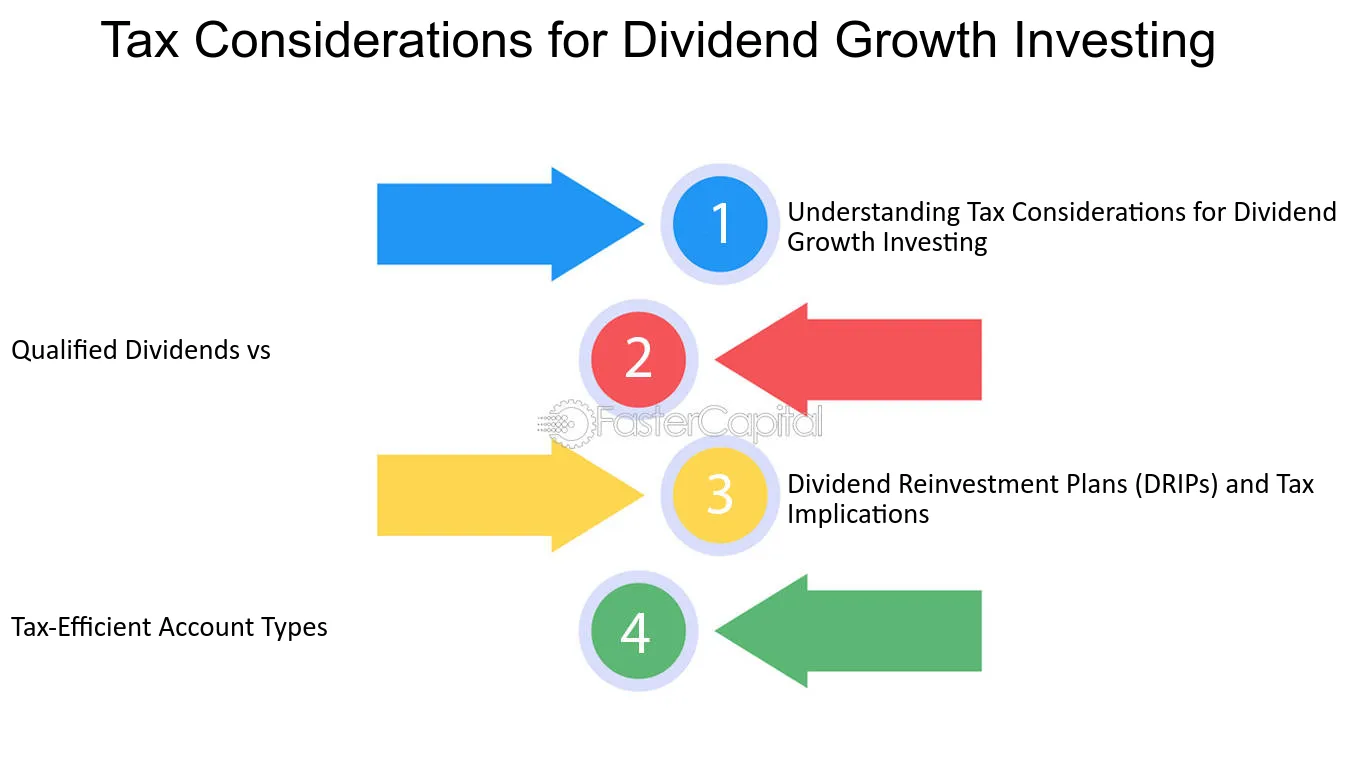
As an investor in today’s fluctuating market, you might have considered incorporating dividend-paying stocks into your investment strategy. After all, who wouldn’t want to benefit from a steady flow of income while also watching their investments grow? However, as enticing as dividend investing can be, understanding the tax implications surrounding it is equally important for making informed decisions. In this comprehensive guide, we will delve into the various facets of dividend taxation and how they can impact your overall investment strategy.
What Are Dividends?
Before diving into the tax nuances, let’s clarify what dividends are. Dividends are payments made by a corporation to its shareholders, typically in the form of cash or additional shares. Companies usually disburse dividends when they generate a profit and choose to share a portion of it with their investors. Beyond just being a source of income, dividends often signal corporate stability and financial health, making dividend-paying stocks a popular choice for many investors, particularly those seeking income.
Types of Dividends
There are several types of dividends:
- Cash Dividends: The most common form, this is a direct payment made in cash to shareholders.
- Stock Dividends: Instead of cash, shareholders receive additional shares of stock. This dilutes the stock but can be appealing to those looking to grow their investment holdings.
- Special Dividends: These are one-time payments made when a company has excess cash, often following a particularly strong year.
Understanding these types will aid you in recognizing how different dividends arrive in your portfolio and how they may be taxed accordingly.
Tax Treatment of Dividends
Taxation on dividends varies based on several factors, making it crucial for investors to understand the implications fully before diving into dividend-based investments. Here’s a breakdown of the general tax framework surrounding dividend income.
- Qualified Dividends vs. Ordinary Dividends:
- Qualified Dividends: These are dividends paid by U.S. corporations or qualified foreign corporations on stocks they have held for a specific period (typically more than 60 days during the 121-day period surrounding the ex-dividend date). The tax rates on qualified dividends are generally lower than ordinary income tax rates, often falling into the 0%, 15%, or 20% range, depending on your taxable income.
-
Ordinary Dividends: Any dividend that does not meet the requirements for qualified dividends is considered ordinary. Ordinary dividends are taxed at your regular income tax rate, which can range from 10% to 37% depending on your tax bracket.
-
Dividend Reinvestment Plans (DRIPs):
Many investors opt for DRIPs, which automatically reinvest dividends to purchase more shares. While this strategy can enhance your overall returns, keep in mind that the reinvested dividends are still subject to taxation in the year they are received. This could potentially create a cash flow issue for investors who don’t actually receive cash but are nonetheless liable for taxes. -
Tax-Advantaged Accounts:
If you’re investing for the long haul, consider using tax-advantaged accounts like Individual Retirement Accounts (IRAs) or 401(k) plans. Any dividends earned within these accounts won’t be taxed until you withdraw funds, allowing you to reinvest the full amount. For Roth IRAs, qualified distributions in retirement are completely tax-free, making them an attractive option for dividend investors.
Capital Gains and Tax Implications
In addition to dividends, don’t forget about capital gains tax, which comes into play when you sell your dividend-paying stocks for a profit. Typically, profits from selling stocks held for over a year are taxed at the long-term capital gains rate, which is also generally lower than ordinary income tax rates.

- Overcome negative thought patterns, reduce stress, and live a worry-free life
- Overthinking is the biggest cause of unhappiness
- Don't get stuck in a never-ending thought loop
- Stay present and keep your mind off things that don't matter, and never will
- Break free of your self-imposed mental prison
State Tax Considerations
While federal tax guidelines are essential, you also must consider state taxes, which vary significantly across the U.S. Some states don’t tax dividends at all, while others may tax them at a flat rate. Understanding your state’s policy on capital gains and dividends will help in effective tax planning.
Special Considerations for Dividend Investing
-
Tax Loss Harvesting: If you hold dividend-paying stocks that have decreased in value, consider selling them to realize a loss. This could offset some of the taxes you owe on gains from other investments, including dividends. Always consult with a tax professional to optimize this strategy effectively.
-
Tax Credit Options: If you invest in foreign companies, you might be liable for foreign taxes on dividends. However, you may also be eligible for a foreign tax credit on your U.S. tax return, which can offset some of those taxes.
-
Impact of Tax Law Changes: Tax laws can change, impacting how dividends are taxed. Keeping abreast of federal and state tax law changes is essential for maintaining an efficient dividend investing strategy.
-
Impact of the Tax Cuts and Jobs Act (TCJA): Since the TCJA was enacted in 2017, the tax landscape has changed, including adjusted tax brackets and regulations surrounding qualified dividends. Be sure to stay updated on these developments, as they could reshape your investment approach.
Strategies for Dividend Investors
-
Portfolio Diversification: Diversifying your investments across various sectors and dividend types can help mitigate risks associated with stock market volatility. This is particularly important because not all sectors offer the same yield potential.
-
Research Dividend Aristocrats: Dividend Aristocrats are companies that have a long history of consistently increasing dividends. They’re often perceived as safer bets during economic downturns due to their stability and reliability.
-
Monitor Dividend Yield: While a high yield can be attractive, it can sometimes indicate underlying issues with a company. It’s crucial to analyze the company’s fundamentals, including its payout ratio, to assess sustainability.
-
Stay Informed: Continuously educate yourself about investment opportunities, tax codes, and market trends. This will help you make informed choices and adapt your strategy as needed.
Conclusion: Be Tax-Wise in Your Dividend Investing Strategy
Dividend investing can provide substantial income and portfolio growth when approached thoughtfully. However, taxes play a significant role in your total returns, and understanding their implications is essential for long-term success. By distinguishing between qualified and ordinary dividends, taking advantage of tax-efficient accounts, and staying informed on the changing tax landscape, you can optimize your investment in dividends.
Investing is a personal journey, and your strategies might differ based on individual circumstances, goals, and risk tolerance. Make it a point to consult with financial and tax professionals who can guide you through the complexities of dividend investing while aligning with your financial objectives. Being proactive and informed will empower you to maximize your investment returns through effective tax management, enabling you to enjoy your dividends and focus on your broader financial goals. Happy investing!


