
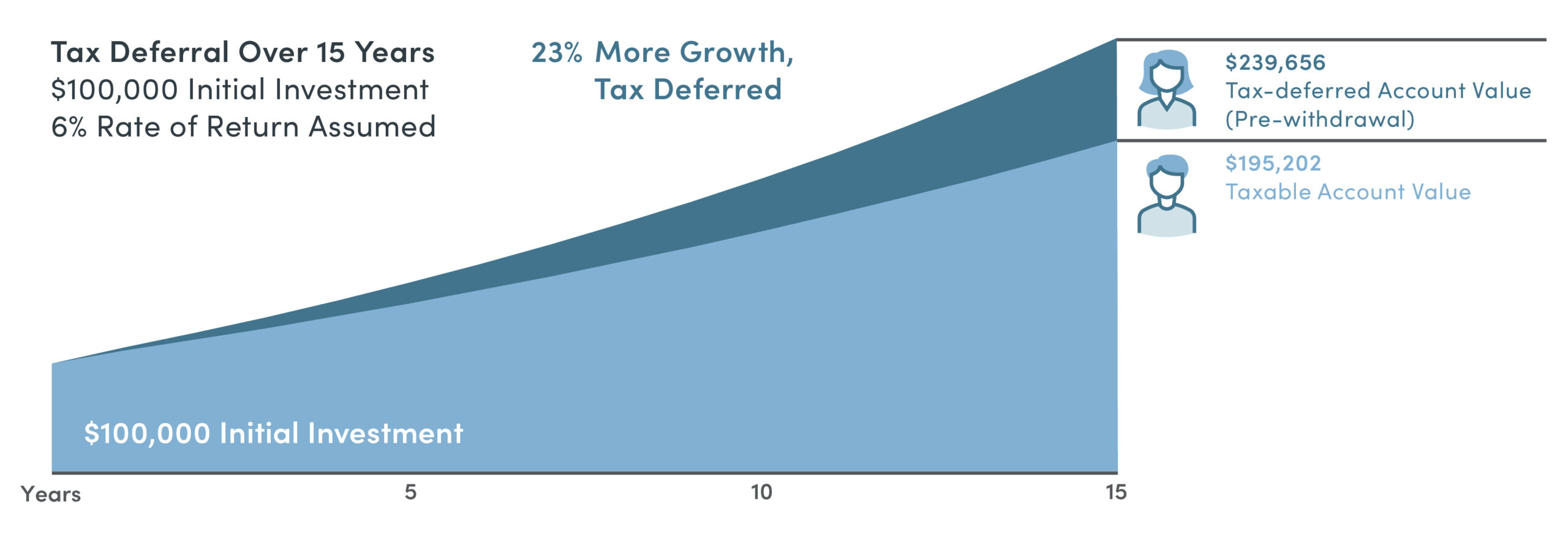
In an era where calculated financial decisions play a crucial role in our lives, the importance of understanding tax-deferred accounts cannot be overstated. Travelers and adventure seekers often overlook this aspect when planning their finances; however, using tax-deferred accounts can significantly enhance investment growth and provide a comfortable cushion for your wanderlust. In this article, we’ll dive deep into the benefits, types, and strategies of utilizing tax-deferred accounts as you embark on your journey of exploration and adventure.
What Are Tax-Deferred Accounts?
Tax-deferred accounts are investment vehicles that allow you to postpone paying taxes on your earnings until you withdraw them. This feature enables your money to grow unhindered by annual tax assessments, leading to potentially higher returns over time. They are essential tools for travelers who wish to maximize their savings while experiencing the world.
Why This Matters for Travelers
Traveling can involve significant expenditures, from booking flights and accommodations to exploring local attractions and indulging in cuisines unique to various cultures. Alongside budgeting for your immediate travel plans, it’s imperative to think strategically about your finances and investment growth. By maximizing contributions to tax-deferred accounts, you can essentially ‘pay yourself first,’ helping ensure that your adventures don’t come at the cost of long-term financial health.
Benefits of Using Tax-Deferred Accounts
-
Compound Growth: One of the most significant advantages of tax-deferred accounts is the power of compound growth. Earnings in these accounts are not taxed until withdrawal, meaning that your investment can grow faster. The longer your money remains invested, the more growth you can achieve.
-
Flexibility in Withdrawals: While tax-deferred accounts do have rules governing withdrawals, many offer flexibility that can benefit travelers. Whether planning for a spontaneous trip or preparing for retirement, the ability to access funds in the future can be a major benefit.
-
Potential Lower Tax Bracket Upon Withdrawal: Depending on when and how you withdraw funds, you may find yourself in a lower tax bracket at retirement or during your travel years, effectively paying less in taxes overall.
-
Diversification of Investment Strategy: Tax-deferred accounts often allow a variety of investment options—ranging from stocks and bonds to real estate. This flexibility enables travelers to diversify their portfolios and potentially weather economic downturns better.
-
Investment Opportunities While Traveling: With tax-deferred accounts, your money continues to work for you even while you are abroad. This means you can be exploring the Eiffel Tower or hiking the Grand Canyon while your funds are growing without the immediate burden of taxation.
Types of Tax-Deferred Accounts
Knowing the different types of tax-deferred accounts available can help you make informed choices that align with your travel goals and overall financial strategy. Let’s take a closer look at some popular tax-deferred accounts:
1. Traditional IRA (Individual Retirement Account)
A traditional IRA allows individuals to make contributions that may be tax-deductible, depending on income levels and if you are covered by a retirement plan at work. Funds grow tax-deferred until retirement when withdrawals are taxed as ordinary income. This is an excellent option for travelers looking to secure their financial future while benefiting from tax-deductible contributions.
2. 401(k) Plans
Offered by employers, 401(k) plans allow employees to contribute a portion of their salary before taxes are taken out. Employers may also match contributions, which is essentially free money. This account is particularly valuable for those employed in industries that allow for remote work, as it continues to benefit while you explore the world.
3. Health Savings Accounts (HSAs)
Although primarily focused on health expenses, HSAs can be an effective tool for tax-deferred growth. Contributions are tax-deductible, and funds grow tax-free. Withdrawals for qualified medical expenses are also tax-free. For active travelers, having an HSA can help cover unexpected health-related costs while enjoying newfound experiences.
4. 457 and 403(b) Plans
These plans are typically offered by government and non-profit organizations, respectively. They provide tax-deferred growth similar to 401(k) plans and can be vital for professionals in public service sectors looking to balance a career and their travel aspirations.

- Overcome negative thought patterns, reduce stress, and live a worry-free life
- Overthinking is the biggest cause of unhappiness
- Don't get stuck in a never-ending thought loop
- Stay present and keep your mind off things that don't matter, and never will
- Break free of your self-imposed mental prison
5. Annuities
While not as commonly utilized for tax-deferred investment growth, annuities can be an option for those looking for a steady income source during retirement. Premiums are invested tax-deferred, and payouts are taxed when received.
Strategies to Maximize Your Tax-Deferred Growth
Understanding the types of accounts available is just the beginning; optimizing their growth requires thoughtful strategies. Here are some approaches specifically for travelers:
1. Automate Your Contributions
Set up automatic contributions to your IRA or 401(k) to ensure you’re consistently investing. This way, even while traveling, you maintain your saving momentum without having to divert attention from your adventures.
2. Maximize Employer Matches
If you have access to a 401(k) through work, make sure to take advantage of any employer matching contributions. This can significantly enhance your savings with ‘free money’ that contributes to your overall retirement fund.
3. Rebalance Your Portfolio Regularly
As you travel, individual investments may perform differently based on global market changes. Make it a habit to rebalance your portfolio regularly, ensuring that your investments align with your risk tolerance and financial goals.
4. Consider Low-Cost Index Funds
Index funds often have lower fees and can be a great way to invest passively while you are busy exploring the world. Look for tax-efficient funds that can provide growth potential without incurring unnecessary costs.
5. Utilize Target-Date Funds for Simplicity
If you prefer a hands-off approach, consider target-date funds, which automatically adjust the asset mix as you approach retirement. This can be a suitable choice for travelers who may find it hard to monitor their investments actively.
6. Create an Investment Budget
Allocate a portion of your travel budget to contributions in your tax-deferred accounts. By treating your investments like an essential expense, you can ensure that you’re growing your wealth alongside enjoying life’s adventures.
7. Explore Tax Loss Harvesting Strategies
While traveling, if your taxable investment accounts incur losses, consider using those to offset gains. Although this strategy relates to taxable accounts, understanding it can aid in managing your overall financial picture.
8. Educate Yourself on Withdrawal Strategies
Planning for withdrawals is crucial in tax-deferred accounts, particularly regarding penalties and tax implications. Before jetting off on your adventures, developing a strategy for how and when to access these funds can save you significant amounts during retirement or while paying for travel.
Making Informed Choices
As a traveler, finding a balance between enjoying life now and planning for the future can be tricky. However, leveraging the advantages of tax-deferred accounts is a smart way to grow your investment while maintaining the flexibility to explore the world.
Seeking Professional Advice
If navigating tax-deferred accounts feels overwhelming, don’t hesitate to seek financial advice tailored to your unique travel lifestyle. Financial planners can provide insight into how to structure your investments effectively to maximize growth while minimizing tax liability.
Commit to Continuous Learning
Keep up to date with changes in tax laws and account types. Educating yourself through workshops, seminars, and online resources can empower your decision-making as you navigate your travel and investment journey.
Conclusion
Using tax-deferred accounts for smarter investment growth is not just an option for those focused solely on long-term wealth; it’s a strategy that can effectively benefit your travel aspirations as well. By taking the time to understand the advantages of these accounts, exploring the various types available, and implementing strategies to maximize growth, you can create a financial foundation that supports both your exploration and future endeavors. So, the next time you find yourself dreaming of traveling the world, remember to consider how your investments are growing alongside your adventures. After all, the journey is just as important as the destination!
By employing these strategies and remaining curious about your financial options, you can embrace a travel lifestyle that doesn’t sacrifice your financial security. Happy travels and investing!


