
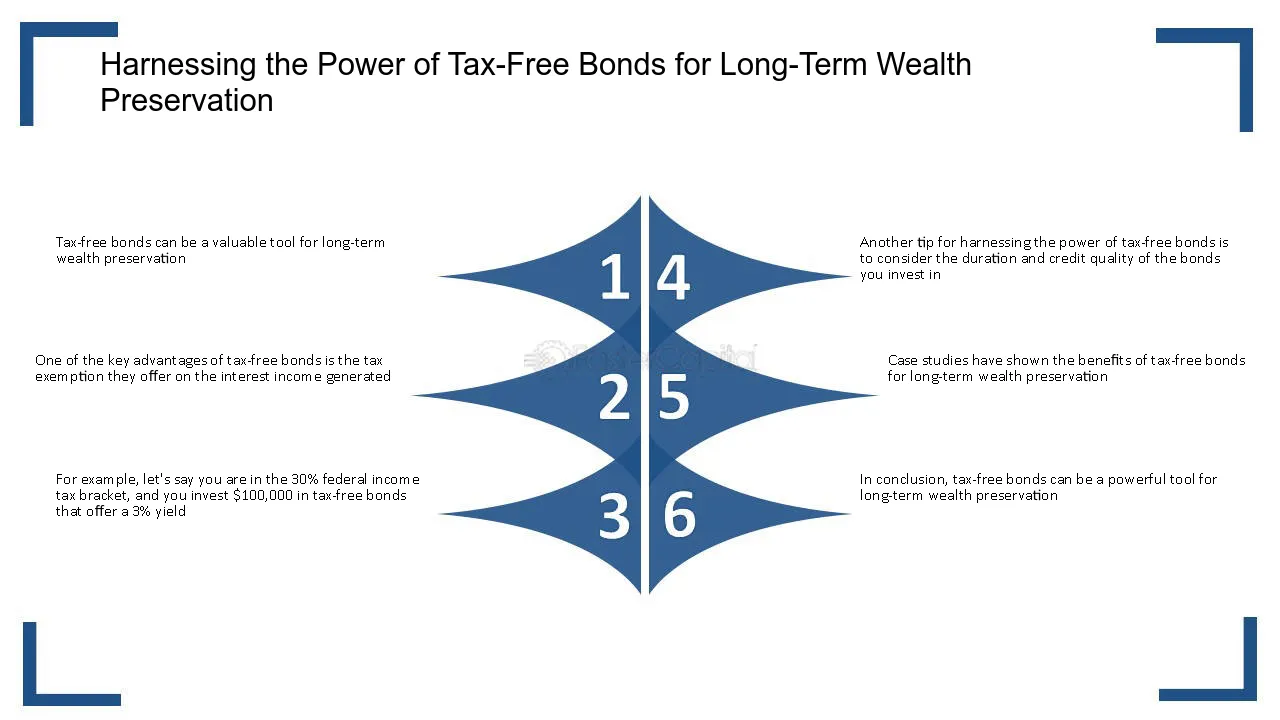
Investing in tax-free bonds is an increasingly popular strategy among savvy investors seeking to preserve their wealth while looking for stable returns. These financial instruments can be a sound addition to any investment portfolio, especially for those planning for the long haul. This article will delve into the intricacies of tax-free bonds, the benefits they offer, and effective strategies for investing in them.
Understanding Tax-Free Bonds
Tax-free bonds, often referred to as municipal bonds (munis), are debt securities issued by states, cities, or other government entities to finance public projects like highways, schools, and hospitals. The interest earned on these bonds is typically exempt from federal income taxes and, in some cases, state and local taxes as well. This tax advantage often makes them appealing to high-income earners and investors seeking lower-risk options for their portfolios.
Types of Tax-Free Bonds
-
General Obligation Bonds: These are backed by the full faith and credit of the issuing municipality. They are often funded through taxation and government revenue. If a project funded by General Obligation Bonds does not generate enough revenue, the issuing authority can raise taxes to meet its obligations.
-
Revenue Bonds: These bonds are supported by the revenues generated from specific projects, such as toll roads or utility services. Unlike General Obligation Bonds, they do not carry the full backing of the municipality’s taxing power.
-
Private Activity Bonds: Issued by local or state governments to fund projects that will provide a benefit to private entities, these bonds can be tax-exempt or taxable based on certain restrictions.
Benefits of Investing in Tax-Free Bonds
Investing in tax-free bonds offers several appealing benefits for long-term wealth preservation:
1. Tax Efficiency
The primary advantage of tax-free bonds is their tax-exempt status. The interest income is not subject to federal taxes, which can lead to significant savings, especially for individuals in higher tax brackets. This can enhance overall returns and preserve wealth over time.
2. Stability and Safety
Tax-free bonds are generally considered safer than stocks. While all investments carry a level of risk, municipal bonds usually have lower default rates than corporate bonds. This makes them a reliable option for investors seeking stability and consistent income.
3. Predictable Income
Tax-free bonds typically offer fixed interest rates that provide steady income streams. This predictability can be particularly attractive for retirees or those seeking to supplement their income without engaging in active trading.
4. Portfolio Diversification
Adding tax-free bonds to your investment portfolio can improve diversification, reducing overall risk. These bonds tend to have a low correlation with equities and can provide a buffer against market volatility.
How to Invest in Tax-Free Bonds
Investing in tax-free bonds may seem straightforward, but there are several considerations to keep in mind:
1. Assess Your Investment Goals
Before diving into tax-free bonds, it’s crucial to define your investment goals. Are you looking for income, capital preservation, or a combination of both? Understanding your needs will help guide your bond purchases.
2. Research Different Types of Bonds
Familiarize yourself with the various types of tax-free bonds available, as each has its unique characteristics and risk profiles. Look at issuers, the purpose of the bonds, and the specific projects they fund to understand better what you are investing in.
3. Evaluate Credit Ratings
Credit ratings provide insight into the financial health of the bond issuer. Organizations like Moody’s, Standard & Poor’s, and Fitch rate municipal bonds based on their creditworthiness. Higher-rated bonds are generally safer but may offer lower yields.

- Overcome negative thought patterns, reduce stress, and live a worry-free life
- Overthinking is the biggest cause of unhappiness
- Don't get stuck in a never-ending thought loop
- Stay present and keep your mind off things that don't matter, and never will
- Break free of your self-imposed mental prison
4. Consider Maturity Dates
Maturity dates indicate when the bond will be repaid. Short-term bonds may have lower yields but provide liquidity and less interest rate risk, while long-term bonds may offer higher yields but expose investors to greater risk as they are more susceptible to market fluctuations.
5. Consult a Financial Advisor
For those unfamiliar with the bond market, consulting a financial advisor can be invaluable. An advisor can help you navigate the complexities of tax-free bonds and customize a strategy that aligns with your financial goals.
6. Utilize Tax-Free Bond Funds
If purchasing individual bonds feels overwhelming or if you desire instant diversification, consider investing in mutual funds or exchange-traded funds (ETFs) that specialize in tax-free bonds. These funds include a mix of bonds and provide professional management, making it easier to gain exposure to this asset class.
7. Monitor Your Investment
Like any investment, it is essential to keep an eye on your tax-free bond portfolio. Regularly review your holdings and stay informed about changes in interest rates, credit ratings, and economic conditions that could influence your bonds’ performance.
Tax Considerations
While tax-free bonds offer significant benefits, it’s essential to understand that tax implications can vary based on your circumstances:
State Taxes
While federal income tax is often exempt, some states may tax interest from bonds issued by other states. It’s crucial to consider your residence and the source of the bonds. Investing in bonds from your state can also provide state tax benefits.
Alternative Minimum Tax (AMT)
Certain tax-free bonds, especially private activity bonds, may be subject to the Alternative Minimum Tax. If you fall within this category, be sure to consult a tax professional to assess potential tax obligations.
Capital Gains Tax
If you sell your tax-free bonds before maturity, any profit can be subject to capital gains tax. It’s essential to plan your buy and sell strategies according to your overall financial strategy.
Common Misconceptions About Tax-Free Bonds
Despite their advantages, several misconceptions surround tax-free bonds that may deter some investors:
1. Only for High-Income Earners
Many believe tax-free bonds are only beneficial for high-income earners. While they do provide advantages for those in higher tax brackets, they can also be a wise choice for lower-income investors seeking stable income.
2. Tax-Free Equals Risk-Free
While tax-free bonds are generally safer than equities, they still carry risks. Market conditions can affect rates, and defaults can occur. It’s crucial to perform due diligence before investing.
3. Limited Yield Potential
Some investors dismiss tax-free bonds as low-yield investments; however, they can provide competitive returns when factoring in tax savings. Overall returns can be attractive when compared to taxable alternatives.
Conclusion
Investing in tax-free bonds can be an effective strategy for long-term wealth preservation. These bonds provide unique advantages, including tax efficiency, stability, and predictable income. However, like all investment decisions, thorough research and a clear understanding of your financial goals are essential. Whether choosing to invest in individual bonds or diversified bond funds, a well-structured investment in tax-free bonds can help you achieve your wealth preservation objectives and contribute positively to your overall financial strategy.
When considering any investment, ensure that you stay informed, consult financial professionals as needed, and always keep an eye on market trends to adapt your strategy accordingly. With the right approach, tax-free bonds can play a vital role in achieving financial security and stability for years to come.


