
Introduction
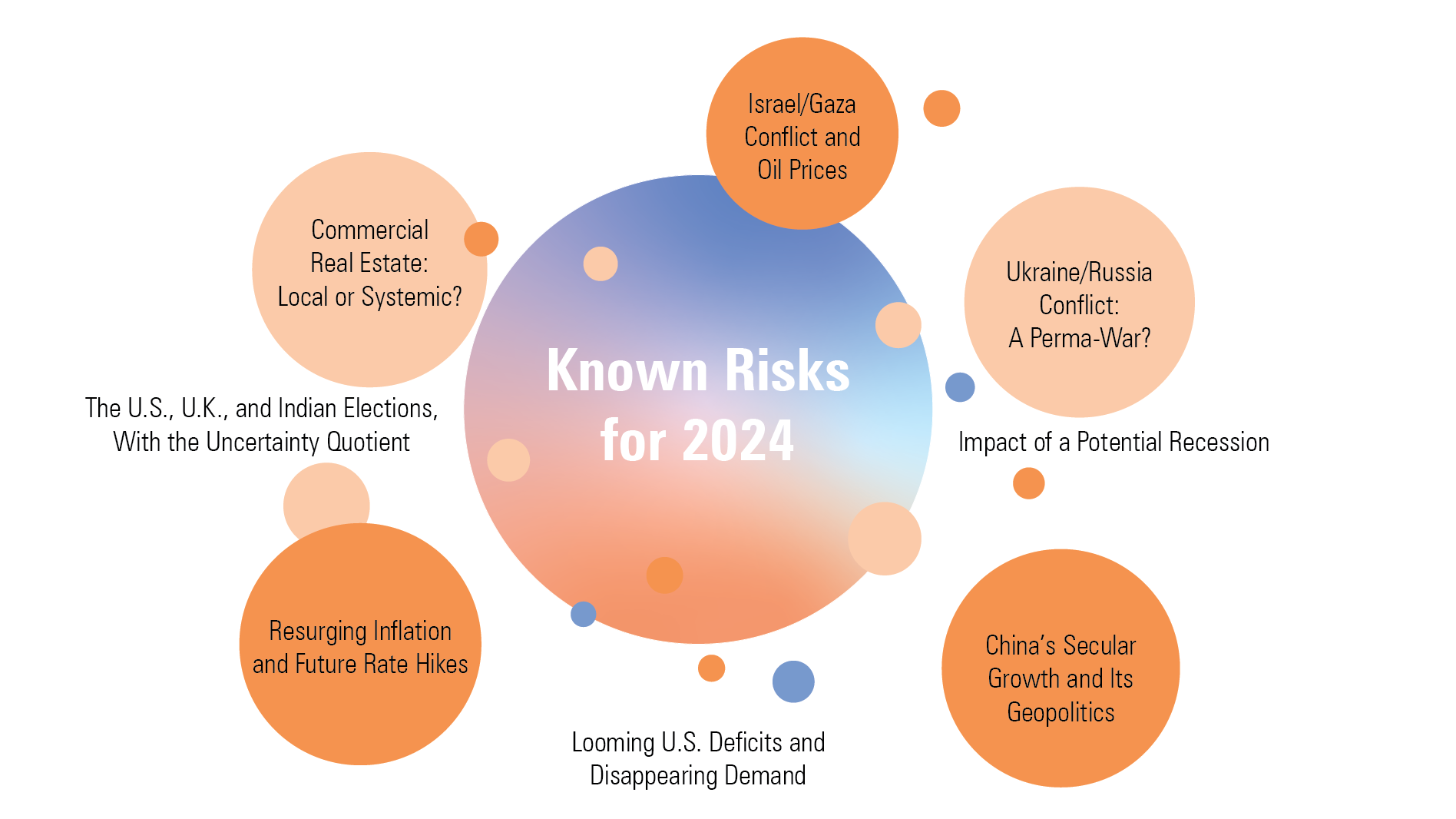
In the realm of finance, one of the paramount objectives for both novice and seasoned investors is to understand how to effectively assess investment risks and mitigate losses. As we dive into 2024, it’s pivotal to equip ourselves with the necessary tools and strategies to navigate the unpredictable waters of investments. In this article, we will explore various methods to evaluate risk, identify potential red flags, and implement robust strategies that can help safeguard your investments.
Understanding Investment Risks
Investment risk generally refers to the possibility of losing money or not obtaining the expected return. Various types of investment risks can impact portfolios, including:
-
Market Risk: This arises from fluctuations in market prices due to economic changes, political instability, or other influences. It is essential to understand that every investment carries a degree of market risk.
-
Credit Risk: This refers to the risk that a bond issuer will default on their obligations, impacting investor returns. It’s crucial to analyze the creditworthiness of issuers before investing in bonds.
-
Liquidity Risk: This occurs when an investor cannot sell an asset without incurring a loss. Understanding the liquidity of investments is vital, especially in volatile markets.
-
Interest Rate Risk: Changes in interest rates can affect the value of fixed-income securities. Investors must stay informed about potential interest rate fluctuations, especially in a rising rate environment.
-
Sector-Specific Risk: Economic factors unique to a specific sector, such as technology or healthcare, can cause fluctuations in investment performance. Diversification across sectors can help mitigate this risk.
Assessing Investment Risks
To effectively assess investment risks in 2024, consider these three essential strategies:
1. Conduct Comprehensive Research
Investors should never underestimate the power of thorough research. Understanding the market trends, the performance of specific assets, and macroeconomic factors can provide valuable insights. Here are key areas to focus on:
-
Company Performance: Analyze the financial health of companies you are interested in investing in by reviewing balance sheets, cash flow statements, and income statements.
-
Market Conditions: Keep an eye on economic indicators such as inflation, unemployment rates, and GDP growth, which can provide insights into overall market performance.
-
News and Trends: Being informed about global news and emerging trends can help identify sectors that might be under pressure or poised for growth.
2. Utilize Analytical Tools
In 2024, technology has made investment analysis more accessible than ever. Take advantage of online platforms and applications that offer:
-
Stock Screeners: These tools can help you filter stocks based on financial metrics, allowing you to find companies that fit your investment criteria.
-
Risk Assessment Models: Utilize models like the Capital Asset Pricing Model (CAPM) to evaluate the expected return against the risk of investing in a particular security.
-
Portfolio Analysis Tools: Platforms such as Morningstar and Bloomberg provide insights into portfolio diversification, helping you identify potential risk areas in your investments.
3. Consult with Financial Advisors
While self-education is vital, consulting a financial advisor can offer an additional layer of expertise. A professional can help you understand the nuances of risk assessment and provide personalized strategies tailored to your financial goals. Consider the following when selecting a financial advisor:
-
Credentials and Experience: Check the advisor’s background, qualifications, and years of experience.
-
Fee Structure: Understanding how the advisor is compensated can help prevent unexpected costs.
-
Investment Philosophy: Ensure that their investment philosophy aligns with your values and objectives; this relationship should be collaborative.

- Overcome negative thought patterns, reduce stress, and live a worry-free life
- Overthinking is the biggest cause of unhappiness
- Don't get stuck in a never-ending thought loop
- Stay present and keep your mind off things that don't matter, and never will
- Break free of your self-imposed mental prison
Strategies to Mitigate Investment Losses
Once you’ve assessed the risks, the next logical step is to put in place strategies that can help mitigate potential losses.
1. Diversification
One of the most effective ways to reduce investment risk is through diversification. By spreading your investments across various sectors, asset classes, and geographic regions, you can minimize the impact of a poor-performing investment on your overall portfolio. Here’s how to diversify effectively:
-
Asset Allocation: Allocate your investments across different asset classes like stocks, bonds, real estate, and commodities, considering your risk tolerance and investment goals.
-
Sector Diversification: Invest in a mix of sectors such as technology, healthcare, finance, and consumer goods to avoid being overly exposed to any single industry.
-
Geographic Diversification: Consider including international investments in your portfolio to buffer against domestic market volatility.
2. Setting Stop-Loss Orders
Implementing stop-loss orders is a proactive measure to protect your investments. A stop-loss order instructs your broker to sell a security when it reaches a specific price, helping minimize losses in a downturn. Here’s what to keep in mind:
-
Determine Your Risk Tolerance: Set stop-loss points based on how much loss you can comfortably accept before selling an asset.
-
Review Regularly: Periodically review and adjust your stop-loss orders based on market conditions and changes in your portfolio.
3. Embrace Dollar-Cost Averaging
Dollar-cost averaging is an effective strategy for mitigating losses over time. This method involves consistently investing a fixed amount of money at regular intervals, regardless of market conditions. The benefits include:
-
Reducing Anxiety: Regular investments can lessen the emotional stress associated with market volatility.
-
Managing Risk: By purchasing more shares during downturns and fewer during upturns, you can potentially lower the average cost of your investments.
4. Maintaining an Emergency Fund
Having an emergency fund can provide a safety net in times of financial crisis. This fund should be easily accessible and typically cover at least three to six months of living expenses. In times of market downturns, this fund allows you to avoid selling investments at a loss to cover unexpected expenses.
Keeping Emotion in Check
One of the biggest challenges investors face is managing emotions, particularly during market fluctuations. Fear and greed can lead to hasty decisions that may harm long-term investment goals. Adopt the following practices:
-
Set Clear Goals: Define your investment objectives and keep them at the forefront of your decision-making process.
-
Stay Informed, But Not Overwhelmed: Limit the amount of negative news you consume. Focus on quality information that supports your investment strategy, rather than reacting impulsively to every market movement.
Conclusion
As we journey through 2024, investors must remain vigilant, informed, and adaptable to changing market conditions. By understanding investment risks and implementing effective strategies to mitigate losses, you can safeguard your financial future. Remember, successful investing is about balancing risk and reward; with the right preparation, you can confidently move forward in your investment journey. Rich returns await those who adopt a strategic mindset and approach their portfolio management with diligence and caution. Happy investing!


