
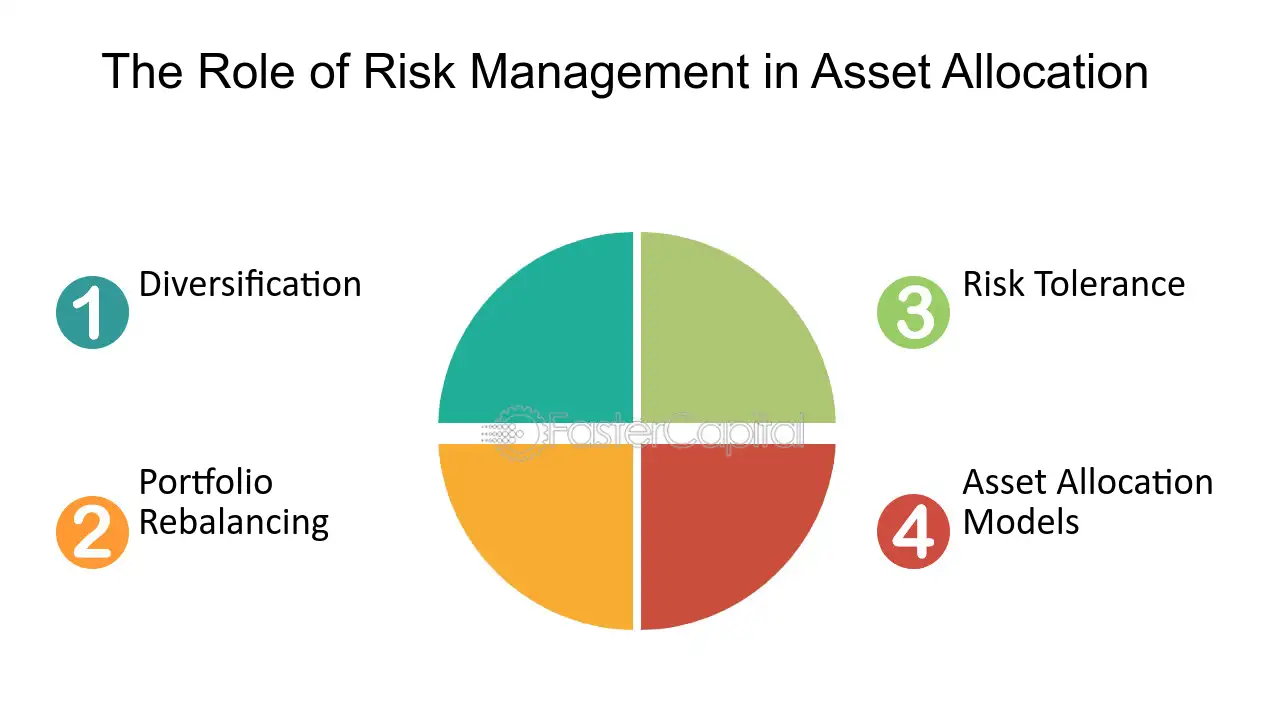
When it comes to managing investment risks, one fundamental concept often stands out: asset allocation. In a world where economic uncertainty is the norm and market fluctuations can turn a bull run into a bear market overnight, understanding asset allocation is crucial for anyone looking to invest wisely—be they serious investors or casual travelers hoping to grow their finances while exploring the globe. In this article, we delve into the role of asset allocation in managing investment risks and why it’s essential for creating a balanced portfolio.
What is Asset Allocation?
At its core, asset allocation is the process of dividing an investment portfolio among different asset categories, such as stocks, bonds, real estate, and cash. Each asset class behaves differently under varying market conditions, and the goal of asset allocation is to optimize the balance of risk and return in an investment portfolio.
For instance, stocks are typically more volatile but offer higher potential returns, while bonds usually provide more stable, lower returns. By diversifying across these various asset classes, investors can mitigate risks and enhance their chances of achieving their financial goals.
The Importance of Asset Allocation
1. Risk Management
One of the most critical roles of asset allocation is risk management. Different asset classes respond to market changes differently. For instance, during an economic downturn, stocks may take a hit, while bonds and other fixed-income securities may hold their value better. By allocating your investments across all asset classes, you can cushion your portfolio against market volatility.
2. Maximizing Returns
While risk management is a top priority, investors also want to grow their wealth. A well-thought-out asset allocation strategy can help maximize returns. For instance, younger investors may prefer a heavier allocation toward stocks to capitalize on their growth potential, while older investors might lean toward bonds as they seek to preserve their capital.
3. Meeting Financial Goals
Your investment strategy should align with your financial goals, whether saving for retirement, funding your travels, or purchasing a home. Your asset allocation can help you map out a clear path to achieve your financial objectives, adapting as your goals shift over time.
4. Behavioral Finance
Investing is as much about psychology as it is about numbers. Understanding your own risk tolerance and the behavioral aspects of investment can lead to better asset allocation decisions. Investors who allow their emotions to drive them can easily fall prey to panic selling or exuberant buying. Having a well-defined asset allocation plan can help keep emotions in check, reducing the likelihood of impulsive decisions driven by market trends.
Elements of Asset Allocation
1. Strategic Allocation
Strategic asset allocation refers to setting a long-term investment strategy based on individual financial goals and risk tolerance. It involves determining the right mix of asset classes that align with your overall investment objectives. For example, a conservative investor may choose to allocate 60% to bonds and 40% to stocks, while a more aggressive investor might opt for a 70% stock and 30% bond allocation.
2. Tactical Allocation
Tactical asset allocation requires flexibility and a more active approach. Investors adjust their asset allocations based on market conditions, taking advantage of relative price movements between asset classes. For example, during economic expansion, an investor may increase their allocation to stocks but decrease it when economic indicators suggest a downturn.
3. Dynamic Allocation
Dynamic asset allocation is a more proactive approach, where investors continuously adjust their portfolios in response to market changes and economic forecasts. It requires a keen understanding of the market and a willingness to shift allocations as necessary. This approach can be rewarding but also demands significant time and expertise.
4. Core-Satellite Approach
The core-satellite approach combines a stable, well-diversified core portfolio with more volatile satellite assets. The core typically includes low-cost index funds or ETFs reflective of a broad range of markets, while satellite investments may involve riskier assets or sector-specific funds designed to capture additional growth.

- Overcome negative thought patterns, reduce stress, and live a worry-free life
- Overthinking is the biggest cause of unhappiness
- Don't get stuck in a never-ending thought loop
- Stay present and keep your mind off things that don't matter, and never will
- Break free of your self-imposed mental prison
Understanding Your Risk Tolerance
Before diving into asset allocation strategies, it’s essential first to understand your own risk tolerance. Your risk tolerance is influenced by several factors, including:
1. Time Horizon
How long do you plan to invest? Generally, the longer your time horizon, the more risk you can afford to take, as you have time to recover from market downturns. If you’re planning a short trip versus a long-term expatriation, your investment strategy will differ.
2. Age
Younger investors typically have a higher risk tolerance because they have more time to recover from any potential losses. Conversely, older investors may prioritize capital preservation and assign a lower risk to their portfolios.
3. Investment Goals
Your financial objectives play a crucial role in determining your risk tolerance. If you’re saving for a significant purchase like a home or a long trip, you may prefer a more conservative allocation to ensure that your funds are available when needed.
4. Personal Comfort Level
It’s important to assess your emotional response to risk. If the thought of market fluctuations severely stresses you out, you might opt for a more conservative allocation, even if traditional metrics suggest you could afford to take on more risk.
Asset Allocation and Travel: Tips for the Adventurous Investor
As a traveler, your financial decisions can affect not only your investment portfolio but also your overall experience and peace of mind while exploring the world. Here are a few tips to help travelers manage their asset allocation effectively.
1. Build an Emergency Fund
As a traveler, unexpected events can arise, including travel delays, medical emergencies, or sudden changes in plans. Having an emergency fund can provide a safety net and alleviate some of the stress associated with fluctuating investment portfolios.
2. Diversify Globally
Just as you would diversify your investments geographically, consider investing internationally. Allocating a portion of your portfolio to global markets can add a layer of diversification that may help manage risk more effectively, opening up opportunities for growth in emerging markets.
3. Use Passive Management Strategies
If you plan on spending significant time away from home, consider using passive management strategies to minimize the need for constant monitoring. Index funds or ETFs can offer broad market exposure while requiring less attention than actively managed funds.
4. Rebalance Regularly
Just as your travels may change your investment outlook, market conditions will inevitably impact your asset allocation. Set scheduled times to rebalance your investment portfolio to ensure that your asset allocations remain in line with your overall strategy and risk tolerance.
5. Invest in Experiences
While it’s essential to build your financial portfolio, don’t forget to consider investing in experiences and personal growth. Allocate time and funds to travel and learn about new cultures, skills, or hobbies; these experiences can yield returns that greatly enhance your life even if they don’t show up on your financial statements.
Conclusion: A Balanced Approach to Asset Allocation and Investment Risks
Asset allocation is not just a technical investment strategy; it’s also a critical component of your holistic financial plan, especially for those who love to travel. By effectively managing your asset allocation, you can mitigate risks, maximize returns, and work towards your financial goals while enjoying the wonders of the world.
In a landscape filled with uncertainty, adopting a disciplined approach to asset allocation will not only help you maintain a stable investment portfolio but also free you up to explore destinations near and far with peace of mind. Whether you are planning your next adventure or building your wealth, remember that strategic asset allocation isn’t merely about numbers—it’s about creating a pathway to a fulfilling life, filled with exploration and discovery.


