
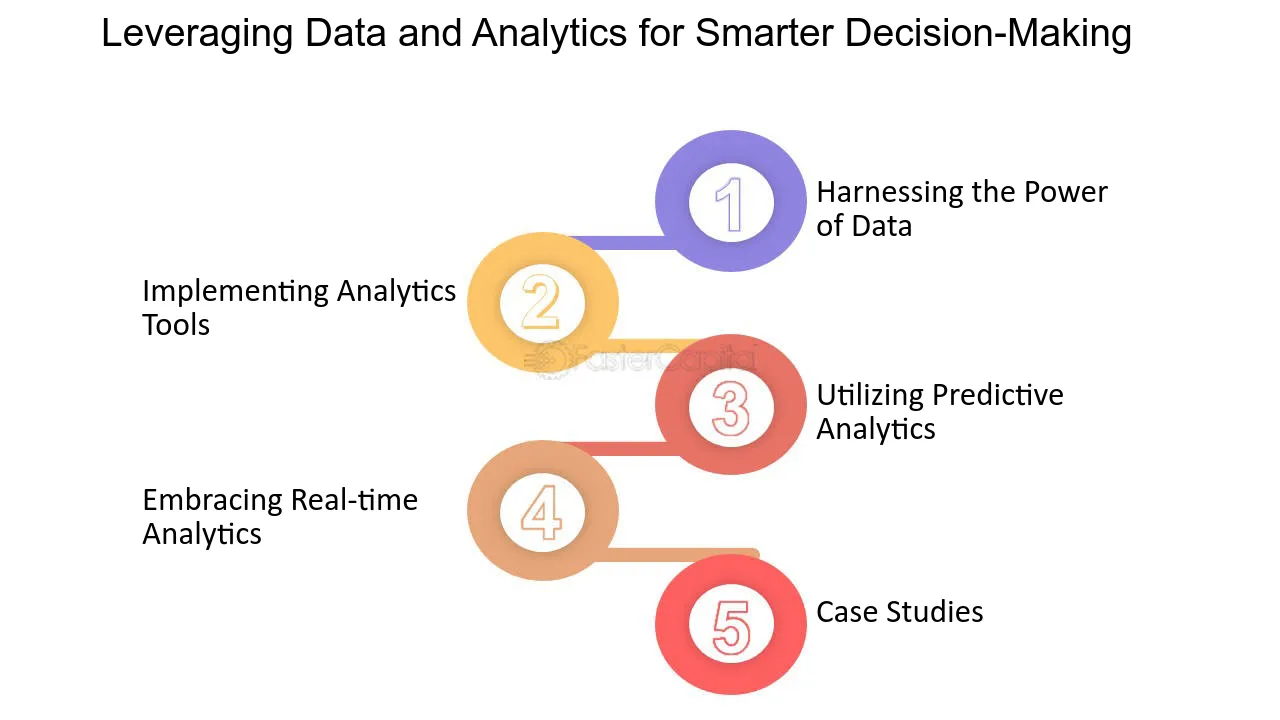
In an age where data drives decision-making, the importance of analytics tools in investment management cannot be overstated. Investors and financial professionals alike are leveraging these tools to maximize returns and minimize risks. But the question arises: how can you effectively utilize analytics tools to make smarter investment decisions? In this extensive guide, we will explore various analytics tools, their benefits, and how they can be integrated into your investment strategy.
Understanding Investment Management
Before diving into analytics tools, let’s briefly outline what investment management entails. Investment management involves the process of overseeing assets to achieve specific financial goals. This can include managing mutual funds, hedge funds, or other investment vehicles. The objective is not only to understand which assets to buy or sell but also to analyze market trends, assess risks, and optimize asset allocation.
With the rising complexity in markets and increased availability of data, traditional investment management practices have evolved. Gone are the days when personal intuition and gut feelings guided investment decisions. Today, analytics tools are at the forefront of investment strategy, enabling managers to make informed decisions backed by data.
What Are Analytics Tools?
Analytics tools are software applications that help users gather, analyze, and visualize data. In the investment sector, these tools provide insights into market trends, performance metrics, and risk factors. Some popular analytics tools used in investment management include:
- Bloomberg Terminal: Offers real-time data and analytics on financial markets.
- Morningstar Direct: Provides investment research and analytics to support decision-making.
- FactSet: Integrates data analytics into investment workflows and provides performance analysis.
- Tableau: A visualization tool that can help investors interpret complex data sets.
- R Studio: Open-source software for statistical analysis and visualization.
Using these tools effectively can lead to smarter investment management by enhancing your analytical capabilities.
Benefits of Using Analytics Tools for Investment Management
-
Data-Driven Decision Making: Analytics tools turn raw data into actionable insights. By utilizing these tools, investors can move away from emotion-based investment strategies to a framework grounded in quantitative data.
-
Risk Assessment: One of the biggest challenges for investors is accurately assessing risk. Analytics tools can simulate various market conditions, helping you understand potential risks associated with different investment strategies.
-
Performance Tracking: Investment performance needs to be continuously monitored. Analytics tools allow you to track the performance of your investments over time, compare results against benchmarks, and adjust your strategies accordingly.
-
Market Trend Analysis: The market is constantly changing, and identifying trends early can give you a competitive edge. Advanced analytics tools can analyze historical data and identify emerging trends, providing you with timely information.
-
Portfolio Optimization: Analytics enable investors to optimize their portfolios based on current market conditions and individual risk tolerance. This means adjusting asset allocations to align with your financial goals.
Implementing Analytics Tools in Your Investment Strategy
To effectively use analytics tools for smarter investment management, follow these steps:
Step 1: Define Your Investment Goals
Before diving into analytics, it’s crucial to clarify your investment goals. Knowing what you are aiming to achieve—whether it’s long-term growth, income generation, or capital preservation—will guide the choice of analytics tools and techniques you will employ.
Step 2: Choose the Right Analytics Tools
Given the variety of analytics tools available, selecting the right one for your needs is essential. This decision often depends on your investment strategy, the types of assets you are investing in, and the specific metrics you wish to analyze. For example:
- If you are focused on equities, a Bloomberg Terminal might be ideal for real-time data and analytics.
- If your focus is on mutual funds, Morningstar Direct could provide in-depth performance metrics.
Step 3: Collect Data
Data collection is the foundation of any analytics effort. High-quality, relevant data leads to more accurate analysis. You can gather data through various channels, including:
- Financial statements
- Market reports
- Economic indicators
- Analyst ratings and forecasts
Remember that the more comprehensive your data set, the better your analytical insights will be.
Step 4: Conduct Analysis
Once you have collected sufficient data, it’s time to analyze it. Utilize the features of your chosen analytics tools to:
- Identify historical trends
- Assess performance metrics
- Evaluate risk factors
- Conduct scenario analysis and simulations
Be objective in your analysis, letting the data guide your investment decisions rather than preconceived notions or biases.

- Overcome negative thought patterns, reduce stress, and live a worry-free life
- Overthinking is the biggest cause of unhappiness
- Don't get stuck in a never-ending thought loop
- Stay present and keep your mind off things that don't matter, and never will
- Break free of your self-imposed mental prison
Step 5: Visualize the Insights
Data visualization enables clearer communication of your findings. Tools like Tableau or Excel can help you present complex data in charts, graphs, or dashboards, making it easier to identify patterns or anomalies.
Step 6: Make Informed Decisions
Armed with insights from your analysis, it’s time to make informed investment decisions. Consider all potential scenarios, leverage predictive analytics if possible, and align your choices with your predetermined investment goals.
Step 7: Monitor and Adjust
Investment management is an ongoing process. Continue to monitor your investments and market conditions using your analytics tools. If your original assumptions change or if new opportunities arise, be ready to adjust your strategies. Regularly revisit your analytics to ensure optimal performance.
Common Mistakes to Avoid
While analytics tools can significantly enhance your investment management process, there are common pitfalls to avoid:
-
Overreliance on Data: While data is essential, it shouldn’t be the only factor in your decision-making process. Always factor in qualitative aspects, market sentiment, and current events as well.
-
Neglecting Data Quality: Using poor-quality or outdated data can lead to misleading conclusions. Always ensure your data sources are reliable and current.
-
Failing to Adapt: The investment landscape is continuously evolving. What worked yesterday may not be relevant today. Stay adaptable, and be ready to evolve your strategies based on fresh insights.
-
Not Understanding the Tools: If you’re using advanced analytics tools, make sure you understand how to use their features effectively. Invest time in training or tutorials if necessary.
-
Ignoring Risk Management: Analytics tools are great for identifying opportunities but can sometimes gloss over risks. Always incorporate risk assessment into your analysis.
The Future of Analytics in Investment Management
As technology continues to advance, the landscape of investment management is also changing. Artificial intelligence (AI) and machine learning are increasingly being integrated into analytics tools, providing even more sophisticated analysis and predictive capabilities.
A/B Testing and Strategy Optimization
Investment managers are also beginning to utilize A/B testing to compare the effectiveness of various strategies on a smaller scale before implementing them on a broader one. This approach allows for real-time adjustments and enhances the efficacy of investment decisions.
Alternative Data Sources
The future will likely see a surge in the use of alternative data sources. From social media sentiment analysis to satellite imagery for commodity tracking, innovative data sources are expanding the scope of analytics. Investment managers who tap into these resources may find themselves at a significant advantage.
Blockchain and Transparency
Blockchain technology is poised to revolutionize how data is managed in investment management, enhancing transparency and trust among investors. The ability to analyze decentralized data could provide unprecedented insights into market dynamics.
Conclusion
Incorporating analytics tools into your investment management strategy is no longer optional; it’s a necessity for those looking to thrive in today’s complex financial landscape. By understanding how to leverage these tools effectively, you can make data-driven decisions that enhance your investment strategy and ultimately improve your financial outcomes.
From identifying unexplored investment opportunities to enhancing risk management, the benefits of using analytics are far-reaching. As you embark on this journey, remember to remain adaptable, continually educate yourself, and embrace the vast potential that analytics tools offer for smarter investment management.
Utilize this guide as a roadmap for integrating analytics into your investment practices, and watch as you transform your investment management strategy into a data-driven powerhouse!
With today’s intricate markets and the influx of data at our fingertips, successful investment management lies not just in instinct or experience, but in the strategic use of analytics tools to drive decisions. Whether you’re a seasoned investor or just starting, harnessing the power of analytics is the first step towards smarter investment management.


