
In recent years, the world has witnessed a significant shift towards sustainability, with both individuals and organizations taking a more active role in combating climate change and promoting environmental stewardship. One of the most exciting developments in the world of finance is the rapid growth of green bonds. But what exactly are green bonds, and how can they benefit sustainable investors? In this comprehensive guide, we’ll delve into the burgeoning market of green bonds, exploring their significance, benefits, and how to navigate investment opportunities in this space.
Understanding Green Bonds
What Are Green Bonds?
Green bonds are fixed-income financial instruments that are specifically earmarked to raise funds for projects with environmental benefits. These can include initiatives such as renewable energy projects, energy efficiency improvements, sustainable waste management, and climate change resilience efforts. By investing in green bonds, individuals and institutions can contribute to environmental sustainability while still earning a return on their investment.
The Purpose of Green Bonds
Green bonds serve several purposes. First and foremost, they aim to finance projects that address environmental challenges, particularly those associated with climate change. Moreover, they help to diversify investment portfolios by offering a low-risk, fixed-income opportunity that aligns with the growing demand for sustainable investment options. As awareness about sustainability increases, more investors are seeking out ways to align their portfolios with their values.
The Growth of the Green Bond Market
Market Trends
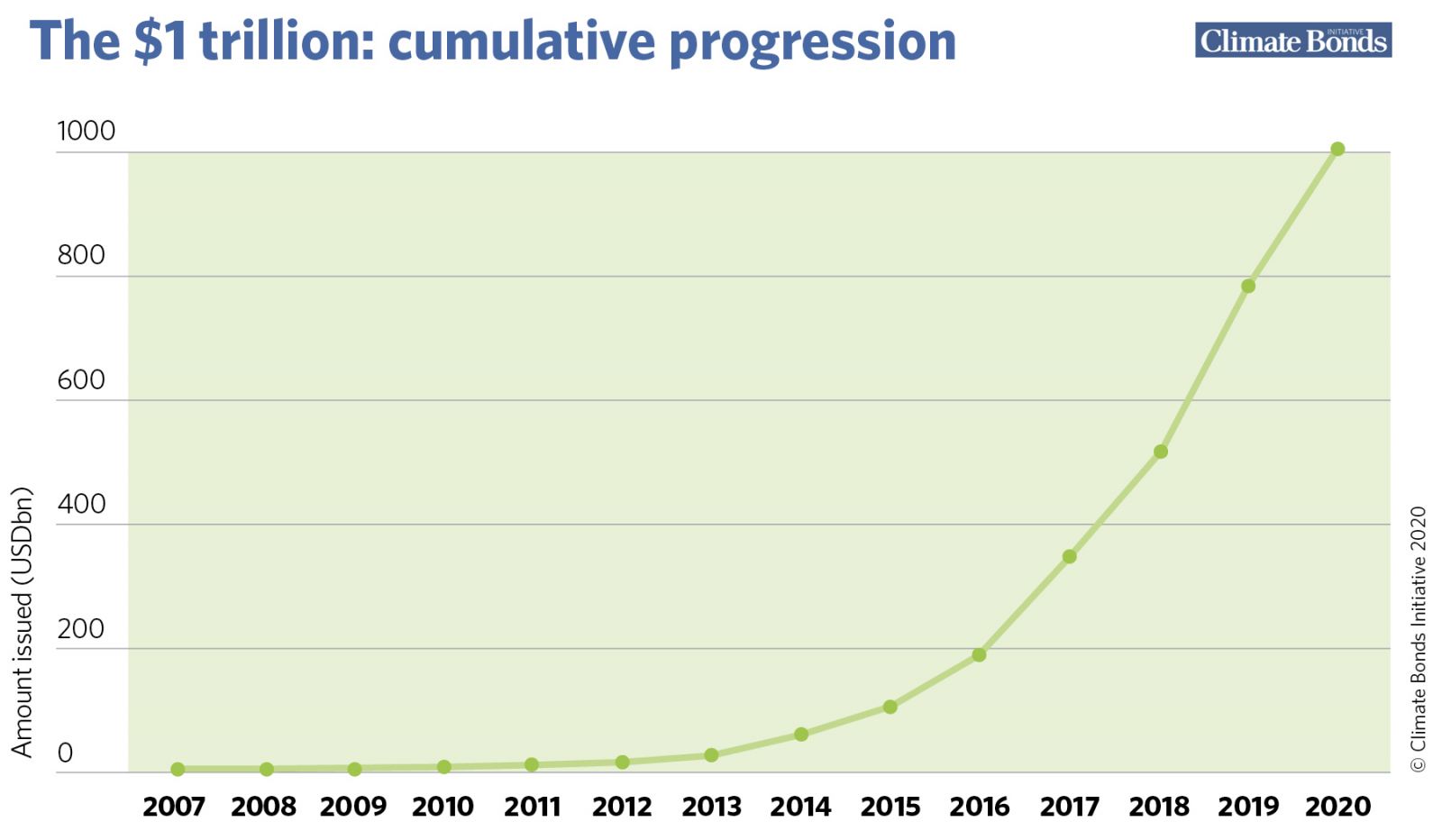
The green bond market has experienced exponential growth over the past decade. According to the Climate Bonds Initiative, issuance of green bonds reached a staggering $500 billion in 2021, nearly doubling the previous year’s total. This growth trajectory reflects not only increased awareness of climate issues but also a desire among investors to support sustainable initiatives.
Key Drivers Behind Growth
Several factors have fueled the growth of green bonds, including:
-
Increased Environmental Awareness: As climate change becomes more prominent in public discourse, the demand for environmentally-friendly investment opportunities has surged. Investors are looking for ways to align their financial goals with their commitment to sustainability.
-
Government Initiatives: Many governments worldwide are implementing policies to encourage green investment. Regulatory frameworks, tax incentives, and green certification programs are increasing the appeal of green bonds.
-
Institutional Investment: Large institutional investors, such as pension funds and insurance companies, are increasingly incorporating green bonds into their portfolios as part of their environmental, social, and governance (ESG) strategies.
-
Corporate Responsibility: Companies are becoming more conscious of their environmental impact, and many are choosing to issue green bonds to fund sustainable projects. This not only helps improve their reputation but also attracts socially-responsible investors.
Noteworthy Developments
The European Union has taken significant steps to enhance green finance, launching the European Green Deal and establishing a taxonomy for sustainable finance. Similar initiatives have been adopted in Asia, North America, and other regions, supporting the widespread acceptance of green bonds as a viable investment option.
Benefits of Investing in Green Bonds
Financial Returns
One of the primary attractions of green bonds for investors is the opportunity to earn competitive financial returns. Many green bonds are issued by reputable entities, including governments and large corporations, thereby reducing credit risk. Additionally, interest rates on green bonds are often comparable to traditional bonds.
Positive Environmental Impact
Investors who prioritize sustainability can find peace of mind knowing that their funds are supporting projects that have a positive impact on the environment. By financing renewable energy, pollution prevention, and sustainable resource management, investors are playing an active role in addressing climate challenges.
Portfolio Diversification
Green bonds can serve as an effective diversification strategy for investors. They typically have low correlation with traditional asset classes, providing a buffer against market volatility. By including green bonds in an investment portfolio, investors can reduce overall risk while still pursuing returns.

- Overcome negative thought patterns, reduce stress, and live a worry-free life
- Overthinking is the biggest cause of unhappiness
- Don't get stuck in a never-ending thought loop
- Stay present and keep your mind off things that don't matter, and never will
- Break free of your self-imposed mental prison
Alignment with Values
As consumers and investors increasingly seek to align their financial decisions with personal values, green bonds offer a compelling option. By investing in projects that promote environmental stewardship, investors can feel confident that their money is contributing to a sustainable future.
How to Invest in Green Bonds
Assess Your Sustainable Investment Goals
Before diving into the green bond market, it’s essential to assess your sustainability goals and investment objectives. Are you looking for long-term capital appreciation, income generation, or both? Understanding your preferences will help you tailor your investment strategy accordingly.
Research Available Options
The green bond market offers a diverse array of investment opportunities, ranging from government-issued bonds to corporate green bonds. It’s important to conduct thorough research to identify the bonds that align with your goals, risk tolerance, and values. Consider factors such as the issuer’s reputation, credit rating, and the specific projects being financed.
Consider Mutual Funds and ETFs
For those who may be hesitant to invest directly in individual green bonds, mutual funds and exchange-traded funds (ETFs) focused on green bonds can provide an excellent alternative. These funds typically invest in a diversified selection of green bonds, allowing investors to gain exposure to the market without having to manage individual holdings.
Monitor Performance and Impact
Once you’ve invested in green bonds, it’s essential to monitor their performance and the impact they’re having on the environment. Many green bond issuers publish impact reports outlining the projects financed and the associated environmental benefits. This transparency allows investors to assess whether their investments are making the desired impact.
The Future of Green Bonds
Continued Expansion
As global concerns about climate change intensify, the demand for green bonds is likely to continue growing. The International Energy Agency has stated that achieving net-zero emissions by 2050 will require over $4 trillion in annual clean energy investments. Green bonds will play a crucial role in funding this transition, providing a substantial opportunity for sustainable investors.
Innovation in Green Finance
The green bond market is evolving rapidly, with innovative financial products emerging to meet investor demand. For instance, the introduction of sustainability-linked bonds, which tie interest payments to the issuer’s sustainability performance, allows investors to engage more actively in corporate sustainability efforts.
Increased Regulation and Standardization
As the green bond market matures, regulators and industry bodies are working to create standardized frameworks for green bond issuance. Initiatives such as the Green Bond Principles seek to enhance transparency and credibility in the market. By establishing clear guidelines for what constitutes a green bond, these efforts will promote investor confidence and broaden participation.
Conclusion: Embracing Sustainable Investment through Green Bonds
The growth of green bonds represents a significant opportunity for investors seeking to make a positive environmental impact while still achieving financial returns. As the market expands and matures, sustainable investors can play a crucial role in financing projects that address pressing climate challenges.
By understanding the fundamentals of green bonds, identifying suitable investment opportunities, and aligning financial goals with personal values, investors can embrace this new frontier of sustainable finance. In doing so, they not only contribute to a greener future but also tap into a burgeoning market that reflects the changing priorities of our society. Whether you are a seasoned investor or just starting your journey into sustainable finance, green bonds offer a pathway to invest in the planet’s future while securing your financial well-being.
As you consider adding green bonds to your portfolio, remember the importance of conducting thorough research, staying informed about market developments, and continuously evaluating the impact of your investments. By doing so, you’ll be well-equipped to navigate the growth of green bonds and contribute to a sustainable world for generations to come.


