
Are you concerned about the future of our planet and looking to invest in a way that aligns with your values? With growing awareness of environmental issues, social responsibility, and corporate governance, many investors are turning to sustainable investing. This guide will walk you through the essentials of building a sustainable investment portfolio that not only contributes positively to society and the environment but can also deliver financial returns for a secure future.
Understanding Sustainable Investing
Before diving into how to build a sustainable investment portfolio, it’s critical to understand what sustainable investing means. Sustainable investing is an investment strategy that considers environmental, social, and governance (ESG) criteria. It involves directing capital towards businesses and projects that are dedicated to sustainability, ethical practices, and responsible governance.
Why Sustainable Investing?
-
Align Your Investments with Your Values: Many investors find that sustainable investing allows them to put their money where their heart is. If you’re passionate about climate change, social justice, or ethical business practices, your investment choices can reflect those values.
-
Mitigating Risk: Companies that prioritize sustainability are often better equipped to handle regulatory changes, environmental challenges, and reputational risks. By investing in sustainable businesses, you may reduce your overall investment risk.
-
Long-term Financial Performance: Studies have shown that sustainable investments can perform as well, if not better, than traditional investments over the long haul. Sustainable companies may be more innovative and forward-thinking, leading to growth and profitability.
Steps to Build a Sustainable Investment Portfolio
Now that you understand sustainable investing, let’s explore how to construct a diversified portfolio that safeguards your financial future while promoting positive change.
1. Set Your Investment Goals
The first step in any investment strategy is to define your goals. Are you investing for retirement, for a major life event, or perhaps to leave a legacy? Clarifying your objectives will help you design a portfolio that meets your specific needs.
- Time Horizon: How long do you plan to invest? Short-term goals may involve different strategies than long-term ones.
- Risk Tolerance: Determine how much risk you are willing to take. Sustainable investments can be volatile but can also provide significant returns.
2. Educate Yourself on ESG Criteria
Understanding the specific ESG criteria you want to use for your investments is crucial. Different sustainable and socially responsible investment funds evaluate companies differently. Familiarizing yourself with these criteria will help you choose the right investments for your portfolio.
- Environmental Criteria: This includes how a company performs as a steward of nature. Is it reducing its carbon footprint? Is it using renewable resources?
- Social Criteria: This examines how a company manages relationships with employees, suppliers, customers, and the communities where it operates. Does the company treat its workforce ethically?
- Governance Criteria: Corporate governance deals with a company’s leadership, executive pay, audits, and shareholder rights. Is the company transparent? Does it follow ethical guidelines?
3. Research Sustainable Investment Options
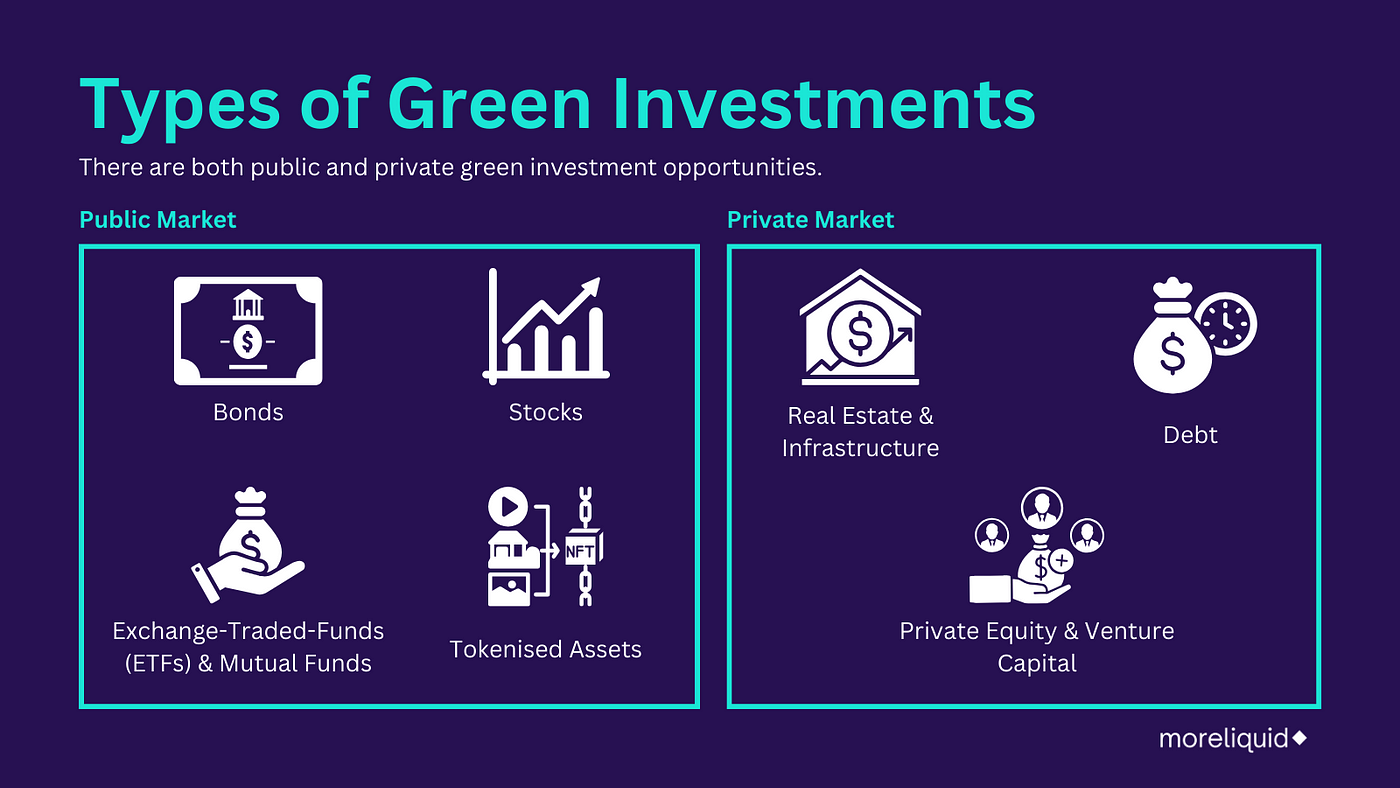
Once you’ve defined your investment criteria, the next step is to explore sustainable investment options. There are several types you may consider:
-
Sustainable ETFs and Mutual Funds: Look for funds that claim to prioritize ESG factors. Many funds now focus specifically on sustainable companies, allowing you to invest in a diversified portfolio with one click.
-
Impact Investing: This goes a step further by actively investing in projects or companies that are intended to generate measurable social or environmental impact alongside a financial return.
-
Green Bonds: These are bonds specifically earmarked to be used for climate and environmental projects. Investing in green bonds can help finance renewable energy or sustainable agriculture.
-
Direct Stock Purchases: If you prefer to build a more personalized portfolio, consider buying shares in individual sustainable companies. Always research each company’s commitment to sustainable practices.

- Overcome negative thought patterns, reduce stress, and live a worry-free life
- Overthinking is the biggest cause of unhappiness
- Don't get stuck in a never-ending thought loop
- Stay present and keep your mind off things that don't matter, and never will
- Break free of your self-imposed mental prison
4. Diversify Your Portfolio
Diversification is key to a successful investment strategy. Instead of putting all your money in one sector or company, spread your investments across different industries to mitigate risk. Within the context of a sustainable investment portfolio, consider:
-
Sector Diversification: Invest in renewable energy, sustainable agriculture, and technology companies focusing on ESG practices. This can help you capture growth across various interconnected sectors.
-
Geographic Diversification: Look for international sustainable investment opportunities. Companies in emerging markets may be involved in innovative sustainable practices.
5. Monitor and Adjust Your Portfolio
Investing is not a “set it and forget it” endeavor. Keeping an eye on your portfolio and making periodic adjustments is vital for sustained performance.
-
Regular Reviews: Set aside time each quarter to review your investment performance. Are your sustainable investments meeting your financial goals?
-
Rebalance: As market conditions change, some investments may become overrepresented in your portfolio. Rebalancing ensures you maintain your desired asset allocation.
-
Stay Informed: Keep up-to-date with sustainable investment trends, regulatory changes, and new market opportunities. Continuous learning helps you make informed decisions.
6. Seek Professional Guidance
If you’re feeling overwhelmed by the prospect of building a sustainable investment portfolio, consider seeking help from a financial advisor specializing in sustainable investing. They can provide personalized guidance tailored to your financial situation and goals.
Challenges of Sustainable Investing
While the benefits of sustainable investing are compelling, there are challenges that investors should be aware of:
-
Greenwashing: This term refers to companies that overstate or falsely advertise the eco-friendliness of their practices. Always conduct thorough research before investing.
-
Performance Metrics: Not all ESG criteria are measured the same way, which can make it difficult to compare investment opportunities. Understanding the metrics used is essential.
-
Potential Trade-offs: Sometimes, sustainable options may not yield the highest return on investment. It’s crucial to weigh financial performance against sustainability goals.
Final Thoughts
Building a sustainable investment portfolio is an excellent way to encourage positive societal and environmental changes while also planning for your financial future. With careful planning and an informed approach, you can create a diversified portfolio that reflects your values and objectives. By aligning your investment strategy with sustainability, you’ll be investing not just for your future but for the future of our planet.
Investing sustainably is no longer just a trend; it’s a movement. As more people recognize the importance of responsible investment choices, the landscape will continue to evolve. Join in, make a difference, and prosper as you build a sustainable investment portfolio for a better tomorrow.
By following these steps, you can construct an investment portfolio that not only stands the test of time but contributes positively to the world we all inhabit. Happy investing!


