
In times of uncertainty and market fluctuations, investors often find themselves seeking refuge in safe-haven assets. Among these, gold has long been regarded as a go-to choice for those looking to preserve wealth and hedge against economic downturns. But what makes gold such a popular investment during turbulent times? In this article, we’ll explore the reasons why gold is considered a safe-haven asset, its historical performance during market volatility, and how you can incorporate it into your investment strategy.
Understanding Gold as a Safe-Haven Asset
In financial terms, a safe-haven asset is one that retains or increases in value during periods of market volatility or economic instability. Investors flock to these assets to protect their wealth and minimize risk. Gold has held this status for centuries, primarily due to its intrinsic value, scarcity, and universal acceptance.
1. Intrinsic Value:
Unlike paper currency or digital assets, gold possesses intrinsic value. It is a tangible asset that can be held in physical form, such as coins or bars. This physicality provides a sense of security for investors, especially during times of crisis when confidence in financial institutions may wane. Gold’s undeniable beauty and rarity further contribute to its value; it has been used to create jewelry, currency, and artifacts for millennia.
2. Scarcity:
Gold is a finite resource; estimates suggest that all the gold ever mined could fit into a cube measuring approximately 21 meters on each side. This scarcity, combined with increasing demand for gold in industries like electronics and jewelry, supports its value. Unlike fiat currencies that can be printed at will, the limited supply of gold makes it a reliable hedge against inflation and economic instability.
3. Universal Acceptance:
Gold has been recognized and accepted as a form of currency and value across cultures and centuries. This universal appeal enhances its status as a safe-haven asset. Whether you are in New York City or a remote village in Africa, gold can be exchanged for goods or services. This intrinsic global value means that during times of economic distress, people will often turn to gold, driving up its demand and price.
Historical Performance of Gold During Market Volatility
To truly understand gold’s role as a safe-haven asset, let’s examine its historical performance during times of market volatility.
1. The Great Depression (1929-1939):
During this period, the stock market crashed, and the economy fell into a deep recession. Investors lost faith in the banking system, leading to widespread fear. Gold, however, remained stable, with the price of gold increasing from $20.67 per ounce in 1929 to $35 per ounce by 1934, a reflection of its protective value during economic turmoil.
2. The 2008 Financial Crisis:
In the wake of the 2008 financial crisis, gold surged in value. As financial institutions crumbled and the stock market plummeted, investors turned to gold as a wealth preservation tool. By the end of 2008, gold prices had soared to around $890 per ounce, a significant increase from approximately $600 per ounce just a year earlier.
3. The COVID-19 Pandemic (2020):
The onset of the coronavirus pandemic triggered unprecedented market volatility across the globe. Lockdowns and uncertainty prompted many investors to flee to gold. In 2020, gold hit an all-time high of over $2,000 per ounce as fear and uncertainty gripped financial markets. The surge in demand for gold during this period reinforced its status as a classic safe-haven asset.
Factors Influencing Gold Prices
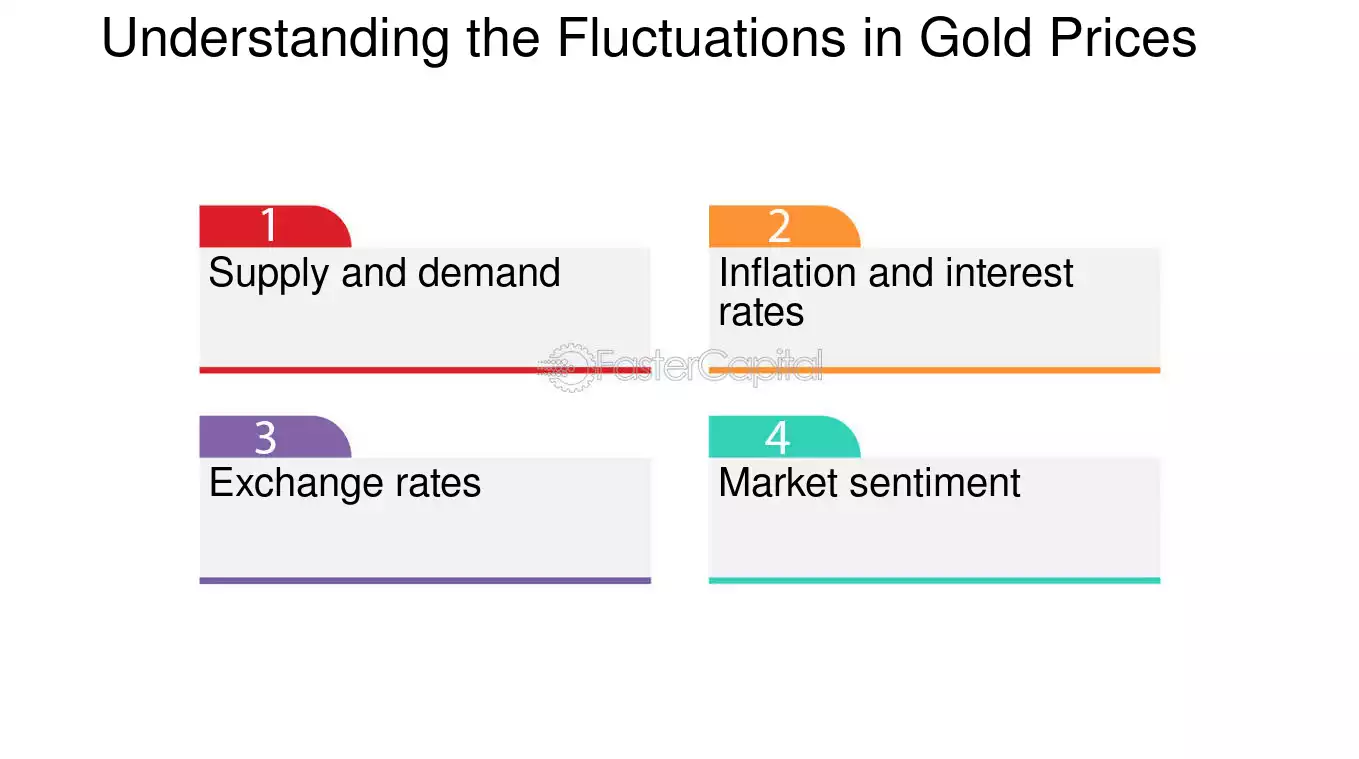
While gold is often viewed as a safe investment during times of market turmoil, its price is influenced by a variety of factors, and understanding these can help investors make informed decisions.
1. Economic Conditions:
Inflation and economic stability are critical drivers of gold prices. During periods of high inflation, the purchasing power of fiat currencies declines, leading investors to seek assets that will retain value. Gold often rallies during these times as it traditionally acts as an inflation hedge.
2. Interest Rates:
Gold does not produce income like stocks or bonds, so when interest rates rise, the opportunity cost of holding gold increases. Conversely, when interest rates are low, the appeal of gold as a non-yielding asset increases, pushing prices higher.
3. Geopolitical Tensions:
Political instability and geopolitical tensions also lead investors to gold. Events like military conflicts, elections, or trade disputes can cause uncertainty in financial markets, prompting a flight to safety in precious metals.

- Overcome negative thought patterns, reduce stress, and live a worry-free life
- Overthinking is the biggest cause of unhappiness
- Don't get stuck in a never-ending thought loop
- Stay present and keep your mind off things that don't matter, and never will
- Break free of your self-imposed mental prison
4. Currency Strength:
The value of the U.S. dollar is inversely related to gold prices. When the dollar strengthens, gold often becomes more expensive for investors using other currencies, leading to decreased demand and lower prices. Conversely, when the dollar weakens, gold tends to rally.
How to Invest in Gold
If you’re considering adding gold to your investment portfolio as a safe haven during market volatility, there are several ways to do so. Here are a few options:
1. Physical Gold:
Investing in physical gold can be done through purchasing bullion, coins, or jewelry. When choosing this route, it is essential to ensure you have a safe storage solution, as physical gold can be susceptible to theft or loss. Bullion can typically be purchased from reputable dealers and often comes with a markup over the spot price of gold.
2. Gold Exchange-Traded Funds (ETFs):
Gold ETFs are a popular choice for investors looking for exposure to gold without the complexities of storing physical assets. These funds invest in physical gold and aim to track the price of the metal. They can be easily bought and sold on major stock exchanges, making them accessible and liquid investment options.
3. Gold Mining Stocks:
Investing in companies that mine gold can provide a way to gain exposure to the gold market. Mining stocks can offer greater volatility than the price of gold itself but can also provide capital appreciation and dividends. However, it’s important to note that factors affecting these companies, like operational costs and management decisions, can impact their stock prices.
4. Gold Futures and Options:
Advanced investors may consider using gold futures and options contracts. These financial instruments allow speculators to bet on the future price of gold. While they can offer significant returns, they also carry a higher level of risk and complexity, making them more suitable for experienced investors.
Diversifying with Gold
Incorporating gold into your investment strategy can enhance diversification and reduce overall portfolio risk. Here are some tips for successfully integrating gold into your investments:
1. Determine Your Allocation:
Decide how much of your portfolio you would like to allocate to gold. Many investors recommend keeping 5-10% of your portfolio in precious metals. This allocation can provide a cushion during market downturns while still allowing you to benefit from other asset classes.
2. Stay Informed:
Keep up with market trends, economic indicators, and geopolitical events that could impact gold prices. By staying informed, you will be better equipped to make strategic investment decisions regarding your gold holdings.
3. Long-Term Perspective:
Consider gold as a long-term investment instead of a short-term trade. Gold has historically been a reliable store of value over time, and its performance can be affected by short-term market fluctuations. By maintaining a long-term perspective, you can mitigate the impact of temporary volatility.
4. Consult a Financial Advisor:
If you’re uncertain about how to effectively invest in gold, consulting a financial advisor with expertise in precious metals can help tailor an investment strategy to your financial goals. They can provide insights into the best methods for acquiring, holding, and growing your gold investments.
Conclusion
In a world marked by economic uncertainty and market volatility, gold stands out as a time-tested safe-haven asset. Its intrinsic value, scarcity, and universal acceptance make it an appealing choice for investors seeking to preserve their wealth. Historical performance during times of crisis only reaffirms gold’s status as a reliable hedge against financial turmoil.
Whether you choose to invest in physical gold, ETFs, mining stocks, or futures, understanding the factors that influence gold prices and incorporating it wisely into your investment strategy can enhance diversification and provide some security in unpredictable markets. As you consider the best path forward, remember that balancing risk and reward in your portfolio is paramount, and gold can be a valuable ally in your investment journey.
Investing in gold not only offers a potential safe haven but also enriches your understanding of global markets and historical patterns. By navigating the landscape of precious metals with knowledge and strategy, you can position yourself to weather financial storms with confidence.


