
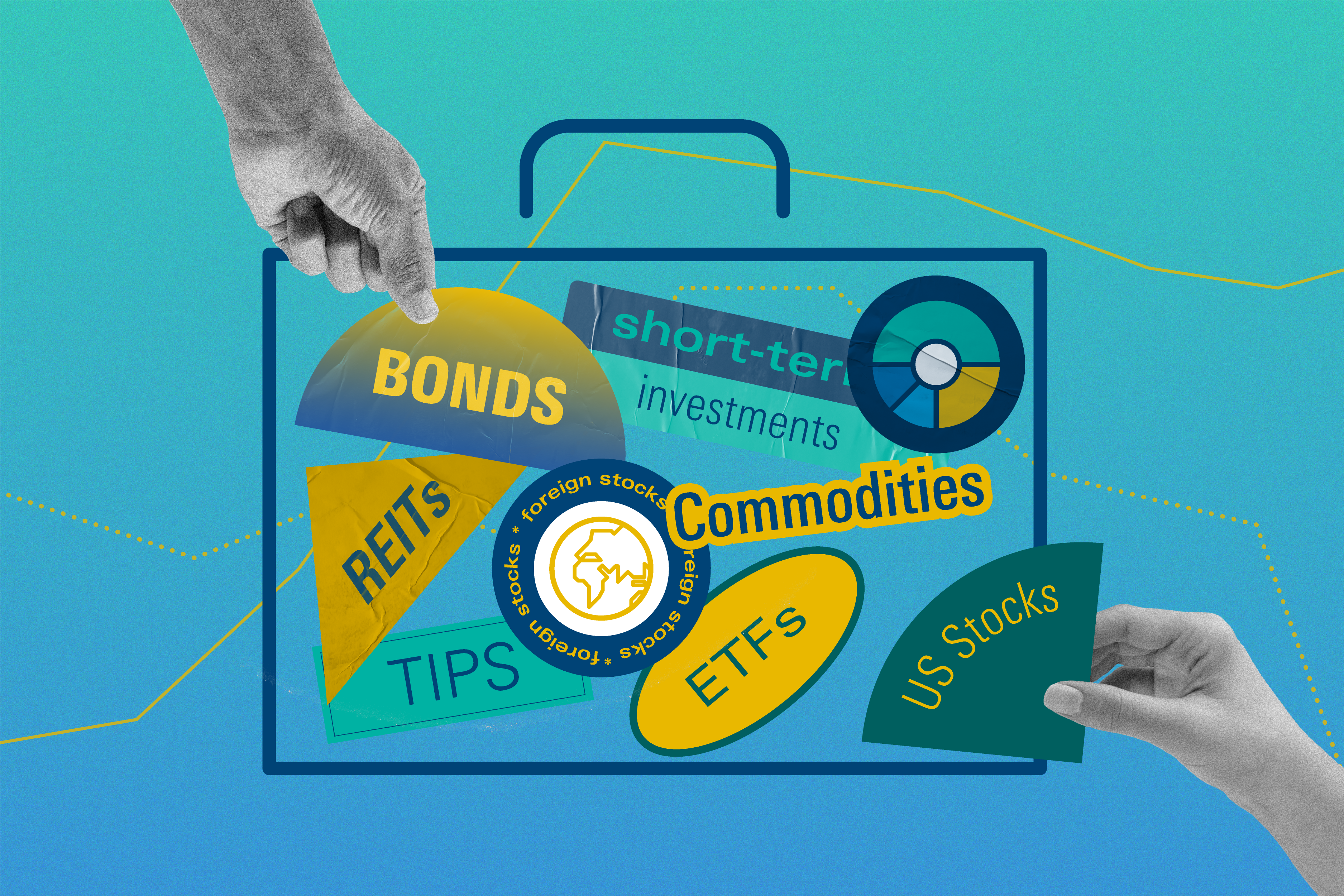
In the ever-evolving landscape of personal finance and investment strategies, traditional assets like stocks and bonds often steal the spotlight. However, savvy investors are increasingly turning their attention to alternative assets as a means to diversify their investment portfolios. If you’re asking, “How can I build a diversified investment portfolio with alternative assets?” then you’re in the right place. This article will explore what alternative assets are, why you should include them in your portfolio, and how to effectively incorporate them into your investment strategy.
Understanding Alternative Assets
Before we dive into the nitty-gritty of portfolio building, let’s clarify what alternative assets actually are. Alternative assets encompass a wide range of investment types that are not categorized as stocks, bonds, or cash. Some common examples include:
- Real Estate: Residential, commercial, or industrial properties.
- Commodities: Physical goods like gold, silver, and oil.
- Cryptocurrencies: Digital currencies like Bitcoin and Ethereum.
- Private Equity: Investments in privately-owned companies.
- Hedge Funds: Investment funds that employ various strategies to earn active return.
- Collectibles: Rare items such as art, vintage wines, classic cars, and coins.
These assets can provide unique benefits, including greater potential returns and a hedge against inflation. But, as with all investments, they come with their own set of risks.
Why Diversify with Alternative Assets?
You might be wondering, “Why should I bother with alternative assets when I can stick to stocks and bonds?” The answer lies in the principles of diversification and risk management. Here are several reasons to consider:
1. Reduced Correlation with Traditional Markets
Alternative assets often behave differently than traditional investments. When stock markets are down, some alternative assets may hold their value or even appreciate. For instance, gold has long been considered a safe haven during economic downturns. By diversifying into alternative assets, you can mitigate losses and keep your portfolio balanced.
2. Potential for Higher Returns
While not guaranteed, many alternative assets have the potential to deliver higher returns compared to traditional investments. For instance, the real estate market has historically seen consistent appreciation over time, while private equity investments can yield significant profits if the underlying companies perform well.
3. Inflation Hedge
Inflation erodes the purchasing power of money over time, and alternative assets like real estate and commodities often serve as effective hedges. For example, during periods of high inflation, property values and rents typically rise, providing a buffer against increasing costs.
4. Portfolio Resilience
A diversified portfolio that includes alternative assets can be more resilient in times of market volatility. By spreading your investments across various asset classes, you shield your portfolio from the adverse effects of economic downturns.
How to Build Your Portfolio with Alternative Assets
Now that you understand the importance of alternative assets, let’s explore how to effectively incorporate them into your investment portfolio.
1. Assess Your Risk Tolerance
The first step in building a diversified portfolio is to assess your risk tolerance. How much market volatility are you willing to endure? Generally, alternative assets can be riskier and more illiquid than traditional stocks and bonds. Understanding your comfort level will help guide your investment choices.
For example, if you prefer safer investments, you might focus on real estate or durable commodities like gold. Conversely, if you’re willing to take on more risk, you might explore cryptocurrencies or private equity.
2. Determine Your Investment Goals
Establishing clear investment goals will help you decide how much of your portfolio to allocate to alternative assets. Are you investing for retirement, to buy a home, or to fund a child’s education? Knowing your goals helps in time horizon planning.
For instance, short-term goals may require lower-risk alternatives while long-term goals might benefit from higher-risk, higher-reward opportunities.
3. Allocate Your Assets Wisely
Once you understand your risk tolerance and investment goals, it’s time to strategize your asset allocation. A common rule of thumb is the 60/40 split of stocks and bonds, but with alternative assets in the mix, that model can change.
Consider a diversified profile where a percentage could be allocated to:
- 20% in Real Estate: This can be through REITs (Real Estate Investment Trusts) or direct property ownership.
- 10% in Commodities: Investing in precious metals, oil, or agricultural products.
- 10% in Cryptocurrencies: Allocating a small portion to various digital currencies can be a high-risk, high-reward strategy.
- 10% in Private Equity and Hedge Funds: These require careful research and often higher minimum investments but can provide lucrative returns.
Adjust these percentages based on your risk profile and investment horizon.

- Overcome negative thought patterns, reduce stress, and live a worry-free life
- Overthinking is the biggest cause of unhappiness
- Don't get stuck in a never-ending thought loop
- Stay present and keep your mind off things that don't matter, and never will
- Break free of your self-imposed mental prison
4. Conduct Thorough Research
Before diving into alternative investments, it’s crucial to conduct thorough research. Not all alternative assets are created equal; each comes with its own risks, market factors, and nuances.
For real estate, understand local market trends and property values. In crypto, skim through whitepapers and market analyses. For private equity, consider the track record of the fund manager or investment firm.
5. Diversify Within Alternative Assets
Just as you diversify across asset classes, it’s essential to diversify within alternative asset categories. For instance, if you decide to invest in real estate, consider a mix of residential, commercial, and rental properties spread across various geographic locations.
In cryptocurrency, instead of putting all your money into Bitcoin, explore a variety of digital currencies with different use cases and market capitalizations.
6. Monitor and Adjust Your Portfolio
Building a diverse portfolio is not a one-time event; it requires continuous monitoring and occasional adjustments based on market conditions and your personal circumstances. Regularly review the performance of your alternative assets and make changes as needed.
If, for instance, one of your cryptocurrencies significantly appreciates, consider taking some profits and reallocating to underperforming assets to maintain your desired asset allocation.
7. Consult with Professionals
If you’re feeling overwhelmed or uncertain about how to navigate the alternative investment landscape, it might be wise to consult with a financial advisor. Experts can provide personalized guidance based on your financial situation and help you make informed decisions.
Tips for Investing in Alternative Assets
As you embark on your journey to building a diversified investment portfolio with alternative assets, here are some additional tips to keep in mind:
1. Stay Informed
The world of alternative assets is dynamic, and new opportunities regularly emerge. Stay informed by following industry news, market trends, and expert analyses. This knowledge will empower you to make educated investment decisions.
2. Be Realistic About Returns
While some alternative assets can deliver significant returns, others may not perform as expected. Be realistic about the potential for growth and factor in the inherent risks associated with each alternative asset.
3. Understand Liquidity Issues
Many alternative assets are less liquid than stocks and bonds, meaning they can take longer to sell without losing value. Understand the liquidity characteristics of the assets you invest in and ensure they align with your financial needs.
4. Consider Tax Implications
Investing in alternative assets can have varying tax implications. For example, capital gains from real estate can be taxed differently compared to stocks. Be sure to consult with a tax professional to understand how your alternative investments might impact your tax situation.
5. Start Small
If you’re new to alternative investments, it may be wise to start small. Gradually increase your exposure as you become more comfortable with these asset classes and learn more about their dynamics.
Conclusion
Building a diversified investment portfolio with alternative assets can be a rewarding strategy for those looking to expand their wealth and protect against market volatility. Understanding alternative assets, assessing your risk tolerance, and keeping abreast of market trends are all vital components of a successful investment journey.
Whether you explore real estate, cryptocurrencies, or private equity, diversifying with alternative assets can enhance your portfolio’s resilience and growth potential. Remember to conduct thorough research, stay informed, and seek guidance when necessary. Happy investing!
If you found this guide helpful, consider sharing it with fellow investment enthusiasts or anyone looking to bolster their financial future with alternative assets. It’s time to embark on your investment adventure with confidence!


