
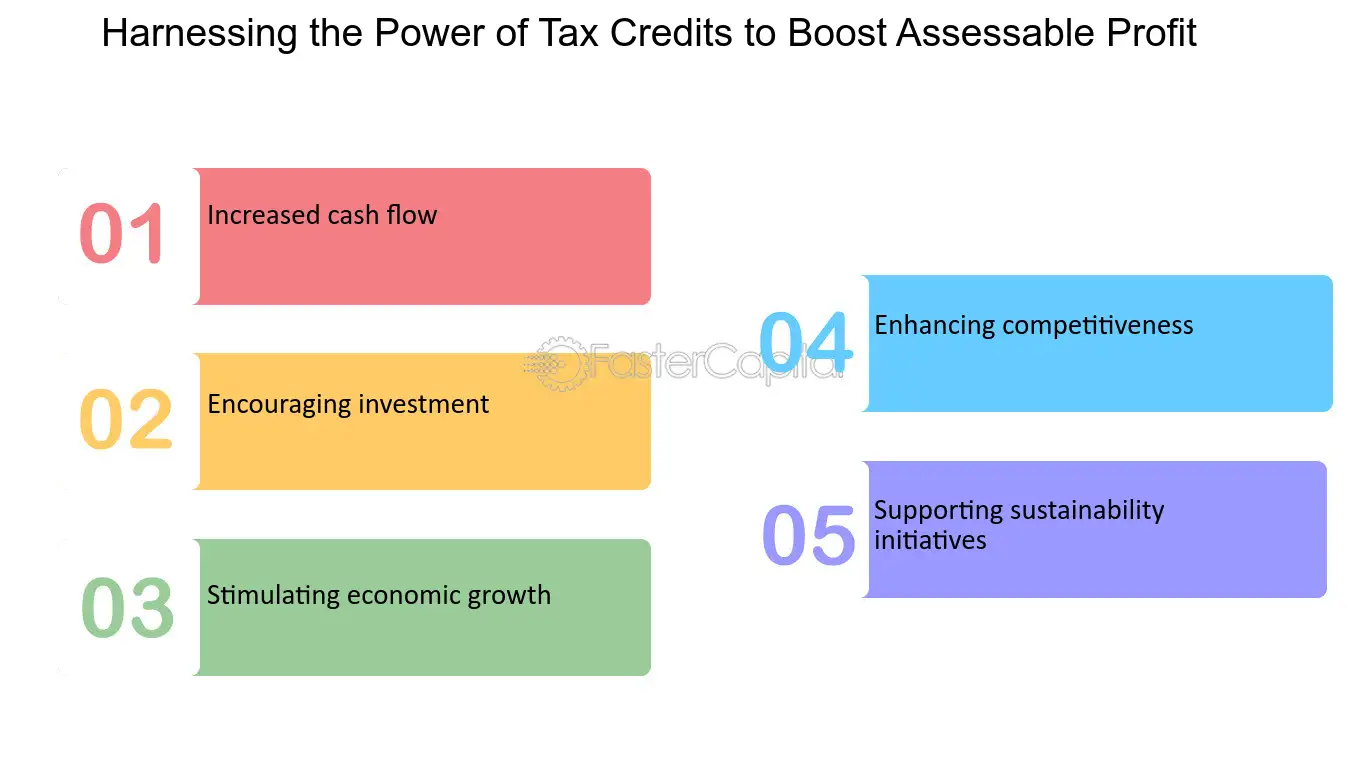
In the bustling world of startups, where every dollar counts and every move is meticulously strategized, finding ways to maximize financial efficiency is imperative. One often-overlooked avenue for achieving this goal is the use of tax credits. Understanding how startups can leverage tax credits not only positions them to improve their bottom line but also allows them to invest more resources into growth and innovation. In this article, we’ll explore various tax credits available to startups, delve into how these can be identified and utilized, and provide actionable steps for entrepreneurs looking to capitalize on these financial incentives.
What are Tax Credits?
Before diving into the specifics, let’s clarify what tax credits are. A tax credit is a government incentive that reduces the amount of income tax owed by a business. Unlike tax deductions, which reduce the amount of taxable income, tax credits provide a dollar-for-dollar reduction of your overall tax liability. In other words, if a startup owes $5,000 in taxes but qualifies for a $1,000 tax credit, their final tax bill drops to $4,000.
Tax credits can significantly bolster a startup’s budget, allowing funds to be allocated toward critical areas such as research and development, hiring new talent, or marketing efforts.
Types of Tax Credits for Startups
1. Research and Development (R&D) Tax Credit
One of the most valuable tax credits available to startups is the Research and Development (R&D) tax credit. This incentive is designed to encourage innovation and can apply to various activities related to product development.
How It Works: If your startup engages in any form of new technology or process, the costs associated with that work may qualify for the R&D tax credit. This includes salaries of employees working on R&D projects, prototype development costs, and even some overhead expenses.
Key Points to Note:
– You must demonstrate that your activities are intended to achieve a technological advancement.
– Document all qualifying expenses meticulously, as this evidence is crucial during tax filings.
2. Small Business Health Care Tax Credit
For startups providing health insurance benefits to their employees, the Small Business Health Care Tax Credit can be a game-changer. This credit offers financial relief to businesses that contribute to employee health coverage.
How It Works: If your startup has fewer than 25 full-time equivalent employees and pays an average annual wage of less than $50,000 per employee, you may qualify for this credit. It can cover up to 50% of your contributions toward employee health insurance premiums.
Key Points to Note:
– The credit is available for two consecutive taxable years.
– Ensure that your health plan meets the requirements outlined by the IRS.
3. Work Opportunity Tax Credit (WOTC)
The Work Opportunity Tax Credit is another valuable incentive designed to encourage the hiring of individuals from specific underserved groups. This program can be very beneficial for startups looking to diversify their workforce while also cutting labor costs.
How It Works: If your startup hires individuals from targeted groups, such as veterans, long-term unemployed individuals, or those receiving certain forms of public assistance, you could earn a tax credit ranging from $2,400 to $9,600 per eligible hire.
Key Points to Note:
– Employers must apply for the tax credit through the IRS’s Form 8850.
– The process must be initiated within 28 days after the eligible employee’s start date.

- Overcome negative thought patterns, reduce stress, and live a worry-free life
- Overthinking is the biggest cause of unhappiness
- Don't get stuck in a never-ending thought loop
- Stay present and keep your mind off things that don't matter, and never will
- Break free of your self-imposed mental prison
4. Investment Tax Credit (ITC)
For startups investing in renewable energy systems, the Investment Tax Credit (ITC) offers one of the most potent incentives available. This credit is especially relevant for startups focused on sustainability or socially responsible practices.
How It Works: If your startup invests in solar, geothermal, wind, or other renewable energy technologies, you can receive a tax credit equal to a percentage of the installation costs. As of 2023, the ITC offers a 26% tax credit for solar energy systems.
Key Points to Note:
– The percentage may change in future years, so staying updated on tax regulations is essential.
– Ensure that your systems meet all legal requirements to qualify for the tax credit.
How to Identify and Utilize Tax Credits
1. Conduct a Tax Credit Analysis
The first step in leveraging tax credits is conducting a comprehensive tax credit analysis. This can be done by working with a tax professional or utilizing specialized software that identifies potential tax savings based on your specific business activities.
Things to Consider:
– Assess your current operations to see which activities might qualify for tax credits.
– Document all relevant expenses and activities meticulously to ensure you can substantiate any claims.
2. Consult a Tax Advisor
Navigating the world of tax credits can be complex, especially for startups without a robust financial background. Consulting with a tax advisor familiar with startup tax credits is invaluable. They can provide insights into potential credits you may have overlooked, help you with documentation, and ensure that you remain compliant with tax laws.
Key Benefits:
– Tailored advice based on your specific business model.
– Assistance with filing the right forms to claim available credits.
3. Stay Updated on Changes to Tax Laws
Tax laws are dynamic and can change frequently. As a startup, staying updated on new tax legislation is crucial to maximizing your tax credit opportunities. Make it a point to subscribe to financial news outlets or join startup-focused communities where information on tax credits and incentives is frequently shared.
Strategies for Staying Updated:
– Attend workshops and seminars on tax regulations.
– Follow reputable financial and business blogs that cover tax-related topics.
Final Thoughts: The Importance of Planning
For startups, every financial maneuver can significantly impact long-term success, and tax credits represent a unique opportunity to enhance profitability. By taking the time to understand available credits, conducting thorough analyses, and consulting with professionals, startups can strategically navigate the tax landscape.
While it might seem daunting, leveraging tax credits can lead to substantial savings that create breathing room for growth. Whether it’s investing in innovative projects, expanding your team, or improving your overall business strategy, effective use of tax deductions is a pathway to ensure that your startup thrives.
In conclusion, tax credits should not be viewed merely as financial aids; they embody a strategic tool that, when utilized correctly, can significantly contribute to a startup’s bottom line. As the startup landscape becomes increasingly competitive, finding the right financial advantages can make all the difference—so why not start exploring the eligible tax credits today? Your future growth might depend on the credits you claim now.


