
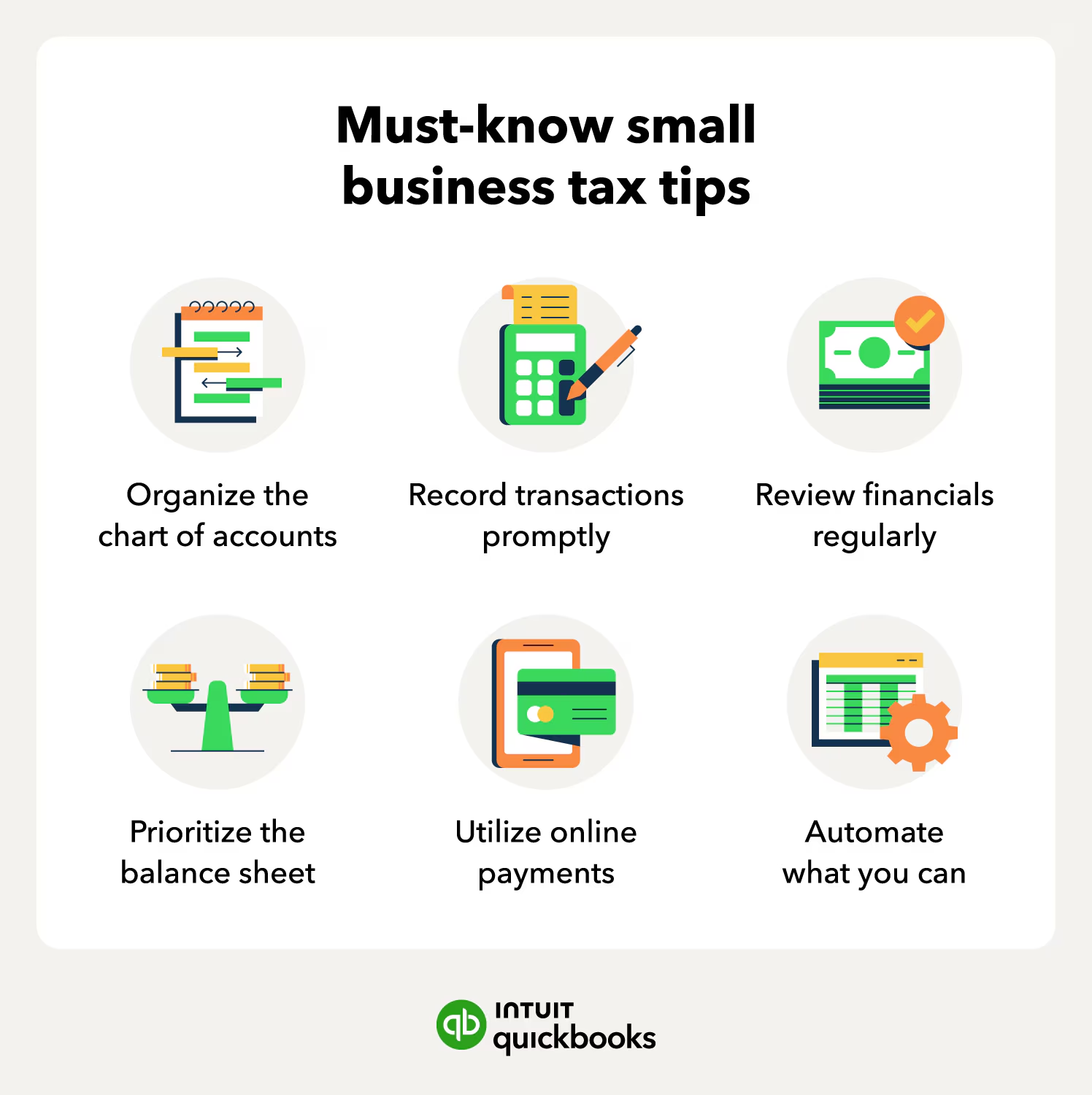
As a new startup owner, you’re stepping into uncharted waters filled with excitement and challenges. One of the more daunting aspects of managing a young business is understanding the implications of tax season. Taxes can seem intimidating, especially for rookie entrepreneurs who may not be familiar with the myriad of regulations, deductions, and deadlines. However, with the right preparation, you can tackle tax season without breaking a sweat. In this guide, we’ll delve into how to prepare for tax season as a new startup owner, making it feel less like a chore and more like a manageable component of your entrepreneurial journey.
Understanding the Basics of Business Taxes
Before diving into specific preparation strategies, it’s crucial to understand the basics of business taxes. The Internal Revenue Service (IRS) treats businesses differently than individuals regarding tax obligations. Some of the key aspects include:
-
Business Structure: Your business structure (sole proprietorship, partnership, LLC, or corporation) significantly impacts your tax responsibilities. Each has its own set of tax rules and regulations.
-
Tax Identification Number (TIN): Ensure you have an Employer Identification Number (EIN) if you plan to hire employees or operate as a corporation or partnership.
-
Income Reporting: You need to report all income generated by your business. This includes sales revenue, services offered, and any other sources of income.
-
Deductions: Familiarize yourself with what you can deduct as business expenses. Ordinary and necessary expenses related to your business operations can significantly lower your taxable income.
-
Estimated Taxes: If you expect to owe more than $1,000 in taxes after subtracting your withholding and refundable credits, you may need to make estimated tax payments throughout the year.
1. Keep Accurate and Organized Records
One of the first steps in preparing for tax season is ensuring that your financial records are accurate and organized. As a startup owner, this may feel overwhelming, but it’s a critical practice that can save you time and headaches come tax season.
-
Use Accounting Software: Invest in reliable accounting software (such as QuickBooks, FreshBooks, or Xero) to help you keep track of your income and expenses. This software can streamline the bookkeeping process, making it easier to generate financial reports when needed.
-
Maintain Receipts and Invoices: Keeping physical or digital copies of all receipts and invoices is essential. They serve as proof of your expenses and income, which can help substantiate your deductions during tax season.
-
Categorize Expenses: Organize your expenses into categories (operational costs, marketing, supplies, etc.). This categorization can simplify your tax filing process and make it easier to identify deductible expenses when the time comes.
2. Know Your Tax Deductions
One of the advantages of being a startup owner is the variety of tax deductions available to you. Familiarizing yourself with potential deductions can significantly impact your tax liability:
-
Startup Costs: You can deduct up to $5,000 of startup costs in the year your business begins if your total startup costs are $50,000 or less. Deductible startup costs include market research, advertising, and salaries for employees involved in setting up your business.
-
Home Office Deduction: If you operate your business from home, you can claim a portion of your home as a business deduction. The calculation is based on the area of your home used for business versus the total area of your home.
-
Business Meals and Entertainment: You can deduct a portion of business-related meals and entertainment expenses, provided they meet specific criteria set by the IRS.
-
Training and Education: If you invest in courses or training to improve your skills or knowledge relevant to your business, these expenses might be deductible.
-
Equipment and Supplies: The cost of equipment (computers, furniture, etc.) and supplies necessary for your business operations may also qualify for tax deductions.
3. Understand Your Filing Thresholds and Deadlines
As you prepare for tax season, one crucial step is to understand the key deadlines and filing thresholds associated with your business structure. Not knowing these can lead to missed obligations and potentially costly penalties.
-
Filing Frequency: Depending on your business type, you may need to file quarterly or annually. For instance, corporations usually file a quarterly estimated tax return, while sole proprietors might do so on an annual basis.
-
Tax Return Forms: Familiarize yourself with the forms you need to submit, such as Schedule C for sole proprietors, Form 1065 for partnerships, or Form 1120 for corporations.
-
State Taxes: Besides federal taxes, don’t forget about state taxes. Each state has its own requirements, including filing deadlines and tax rates. Ensure you’re well-informed about your obligations in your state of operation.

- Overcome negative thought patterns, reduce stress, and live a worry-free life
- Overthinking is the biggest cause of unhappiness
- Don't get stuck in a never-ending thought loop
- Stay present and keep your mind off things that don't matter, and never will
- Break free of your self-imposed mental prison
4. Consult with a Tax Professional
While some startup owners prefer to handle their taxes independently, it’s often beneficial to consult with a tax professional. An accountant or tax advisor can provide invaluable insights, ensuring compliance with tax laws and potentially identifying additional deductions that you might overlook.
-
Seasoned Guidance: Tax professionals are familiar with the latest tax code changes and can provide tailored advice based on your specific circumstances.
-
Strategic Tax Planning: A tax professional can help you develop a strategic plan for managing your taxes throughout the year rather than waiting until tax season creeps up on you.
-
Audits and Reviews: An accountant can help ensure that your filings are accurate and offer support if you’re ever audited by the IRS.
5. Plan for Estimated Taxes
As mentioned earlier, if you expect to owe more than $1,000 in taxes, you may be required to make estimated tax payments throughout the year. Here’s how to plan for that:
-
Calculate Estimated Taxes: Use your previous year’s income as a baseline to estimate your taxes. You can also consult a tax professional to ensure accurate calculations.
-
Make Quarterly Payments: Estimated taxes are typically paid quarterly. Be diligent in making these payments to avoid penalties.
-
Monitor Cash Flow: Keep a close watch on your cash flow to ensure you have enough funds set aside for upcoming tax payments.
6. Consider Tax Credits
In addition to deductions, explore available tax credits. Tax credits directly reduce your tax liability, making them even more valuable than deductions. Some popular credits include:
-
Research and Development (R&D) Credit: If your startup engages in qualified research activities, you might be eligible for the R&D tax credit.
-
Small Business Health Care Tax Credit: If you provide health care coverage to your employees, you may be eligible for this federal tax credit.
-
Work Opportunity Tax Credit (WOTC): Hiring individuals from specific groups can qualify you for a tax credit, incentivizing the hiring of certain demographics.
7. Stay Informed and Adjust Accordingly
Tax laws continuously evolve, so staying informed about changes that affect startup businesses is essential. Join local business associations or online forums focused on entrepreneurship to share experiences with fellow startup owners. Keep your ears open for:
-
Upcoming Legislation: Be aware of any changes in tax laws that may affect your obligations, especially before filing your taxes.
-
Resources for Startups: Take advantage of online resources, IRS publications, and webinars. The IRS website is an excellent place to find accurate and up-to-date information.
8. Declare Your Business Income
It’s essential to accurately declare your business income, as underreporting can lead to fines or further scrutiny during audits. You should:
-
Track All Revenue: Ensure you account for every stream of revenue, whether it stems from sales, services, or investments.
-
Separate Personal and Business Finances: Maintain separate bank accounts for your business and personal finances. This separation can simplify your accounting and help ensure clearer financial reporting.
9. Double-Check Everything
As you approach tax season, take the time to thoroughly review all your documentation. Small mistakes can lead to considerable headaches in the future. Consider these steps:
-
Review Financial Statements: Compare your income statement and balance sheet to ensure there are no discrepancies.
-
Cross-Validate Expenses: Make sure that all claimed deductions are backed by your records. This review will give you peace of mind and prepare you for any potential audit inquiries.
10. File on Time
Avoid the last-minute rush and potential penalties by filing your taxes on time. If you’re unable to file your returns by the due date, you can request a filing extension, but be sure to pay any estimated taxes owed to avoid penalties.
In Conclusion
Preparing for tax season as a new startup owner doesn’t have to be an uphill battle. By maintaining organized records, understanding your deductions, consulting professionals, and staying informed about recent tax law changes, you’ll put yourself in an excellent position to handle tax season with confidence and ease. Remember, taxes are not just an obligation; they’re also a part of the journey and growth of your business. Use this time as an opportunity to reflect on your financial progress and plan for the future. With strategic preparation, you can focus on what you do best—growing your startup.


