
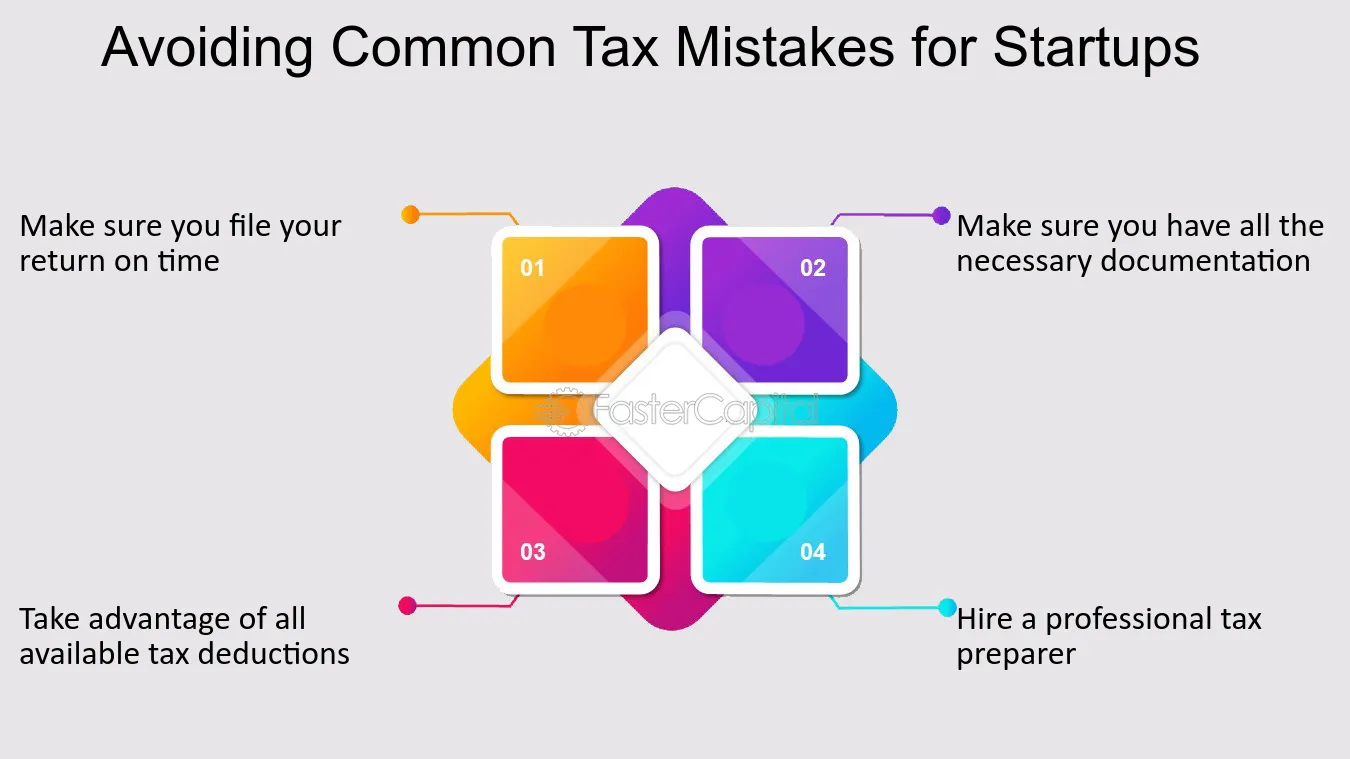
Starting a new business is an exhilarating adventure filled with dreams, risks, and, yes, taxes. If you’re diving into the world of startups, it’s paramount to understand the financial landscape, especially the tax implications that come with it. For many entrepreneurs, the focus tends to be on product development, marketing strategies, and customer acquisition. However, neglecting the intricacies of the tax system can prove costly. Avoiding common tax mistakes can save you substantial amounts of money and alleviate stress down the road. Here are the top ten tax blunders startups should steer clear of, ensuring that your entrepreneurial journey is as smooth as possible.
1. Misclassifying Workers
One of the biggest tax mistakes startups make is misclassifying workers as independent contractors instead of employees. This error can lead to significant penalties and back taxes if the IRS decides to audit your business.
Why It Matters
Independent contractors are responsible for their own taxes, while employers must withhold payroll taxes for employees. Misclassification can result in unpaid tax obligations, leading to hefty fines.
How to Avoid This Mistake
Familiarize yourself with the IRS guidelines distinguishing between employees and independent contractors. Ensure you properly classify each worker, and if in doubt, consult a tax professional.
2. Not Keeping Accurate Records
Accurate record-keeping is crucial for any business, but startups often overlook this critical aspect. Poor record-keeping can lead to missing out on deductions and trouble during audits.
Why It Matters
Inaccurate records can also cause headaches during tax season and might result in filing errors.
How to Avoid This Mistake
Use accounting software to keep track of income and expenses. Organize receipts and invoices so that you can easily refer to them when needed. Set aside time regularly to update your financial records.
3. Ignoring Tax Deductions
Some startups either overlook tax deductions or fail to take full advantage of them. This mistake can lead to paying more taxes than necessary.
Why It Matters
Deductions reduce your taxable income, which can significantly decrease your tax liability.
How to Avoid This Mistake
Research available deductions specific to your business type. Common deductions for startups include home office expenses, business travel, and equipment purchases. Maintain thorough records to support your claims.
4. Failing to Pay Estimated Taxes
Startups often underestimate their tax liability, thinking they can disregard quarterly estimated tax payments. This oversight can result in penalties and interest that compound quickly.
Why It Matters
If you expect to owe more than $1,000 in taxes, the IRS requires you to make estimated tax payments throughout the year.
How to Avoid This Mistake
Estimate your tax liability using the previous year’s figures as a guide and make quarterly payments based on that estimate. Always adjust if your income fluctuates dramatically.
5. Not Understanding Business Structure Implications
Choosing the wrong business structure can have significant tax implications. Most startups opt for LLCs, S corporations, or sole proprietorships, and failing to understand the differences can be costly.
Why It Matters
Each business structure has distinct tax benefits and responsibilities. For instance, an S corporation allows income to pass through to shareholders without being taxed at corporate rates, while sole proprietors pay self-employment taxes on their entire income.
How to Avoid This Mistake
Consult with a tax advisor or accountant when deciding on your business structure. Review the implications for your specific situation and choose the one that aligns with your growth plans.
6. Overlooking State and Local Taxes
Entrepreneurs often focus solely on federal taxes while disregarding state and local tax obligations. Each state has its own tax laws, and startups need to understand them to avoid penalties.

- Overcome negative thought patterns, reduce stress, and live a worry-free life
- Overthinking is the biggest cause of unhappiness
- Don't get stuck in a never-ending thought loop
- Stay present and keep your mind off things that don't matter, and never will
- Break free of your self-imposed mental prison
Why It Matters
In addition to income tax, you may also be subject to state sales tax, property tax, and various business licenses.
How to Avoid This Mistake
Research the tax requirements in your state and locality. Consider hiring a tax professional who understands the local tax landscape, ensuring compliance and maximizing benefits.
7. Not Utilizing Tax Credits
Many startups fail to claim tax credits available to them, missing out on valuable savings. Tax credits directly reduce the amount of tax you owe, which can significantly benefit your cash flow.
Why It Matters
Unlike deductions, which reduce taxable income, credits reduce your overall tax bill—dollars saved directly contribute to your business’s bottom line.
How to Avoid This Mistake
Investigate the tax credits applicable to your industry and business activities. Credits for research and development, energy efficiency, and hiring certain demographics can provide substantial financial relief.
8. Forgetting About Sales Tax
Many product-based startups overlook sales tax compliance. If you sell tangible goods, you may be required to collect sales tax from customers, depending on your state.
Why It Matters
Failing to collect or remit sales tax can lead to significant penalties, back taxes, and interest.
How to Avoid This Mistake
Register for a sales tax permit in your state and understand the rules regarding sales tax collection and remittance. If you operate in multiple states, familiarize yourself with each state’s requirements.
9. Not Planning for Retirement
Retirement planning may not be at the forefront of your mind when starting a business, but it can have tax advantages that you shouldn’t overlook.
Why It Matters
Certain retirement plans allow you to lower your taxable income, and the earlier you start saving for retirement, the better off you’ll be in the long run.
How to Avoid This Mistake
Explore retirement plan options such as a Solo 401(k) or SEP IRA. Consult a financial advisor to understand how retirement contributions can aid your tax strategy.
10. Waiting Until the Last Minute to File Taxes
Procrastination can be detrimental, and waiting until the last minute to file taxes is a common mistake among startups. This can lead to hurried mistakes and missed opportunities.
Why It Matters
Filing late can incur penalties and interest, and a rushed filing can result in errors that complicate your financial situation.
How to Avoid This Mistake
Start preparing your tax documents early in the year. Set reminders for important tax deadlines and consider hiring a tax professional to assist you well before the filing date.
Conclusion
Navigating the intricacies of taxes can be daunting for startups, but avoiding the common pitfalls outlined above can ensure smoother sailing through your business journey. From understanding workers’ classifications to taking advantage of deductions and credits, attention to these factors can save you significant headaches—and money—in the long run.
Get Professional Help
Consider working with an accountant or tax professional who specializes in startups to avoid these mistakes. They can provide you with the guidance you need to establish sound financial practices from the beginning.
Starting your entrepreneurial venture is a rewarding endeavor, and with tax diligence, you can channel your energy into growing your business rather than worrying about tax liabilities. By keeping these ten common tax mistakes in mind, you’re well on your way to maintaining compliance while maximizing your profits. Happy traveling on your startup journey!


