
When starting your entrepreneurial journey, choosing the right business structure is one of the most crucial decisions you’ll make. Among various options, many entrepreneurs wonder about the benefits and drawbacks of operating as an S-corporation (S-corp). This article dives deep into the pros and cons of this tax-beneficial structure, exploring how it can impact your startup.
Understanding the S-Corporation
Before we delve into the pros and cons, it’s essential to clarify what an S-corporation is. An S-corp is a special type of corporation that meets specific Internal Revenue Code requirements. It allows income, losses, deductions, and credits to pass through to shareholders for federal tax purposes. This structure is primarily designed for small businesses looking to avoid double taxation that occurs in C-corporations.
Why Choose an S-Corp?
Many startups consider the S-corp structure for its potential tax benefits. However, understanding both sides of the coin is vital in making an informed decision. Let’s break down the advantages first.
Pros of Operating as an S-Corp
1. Pass-Through Taxation
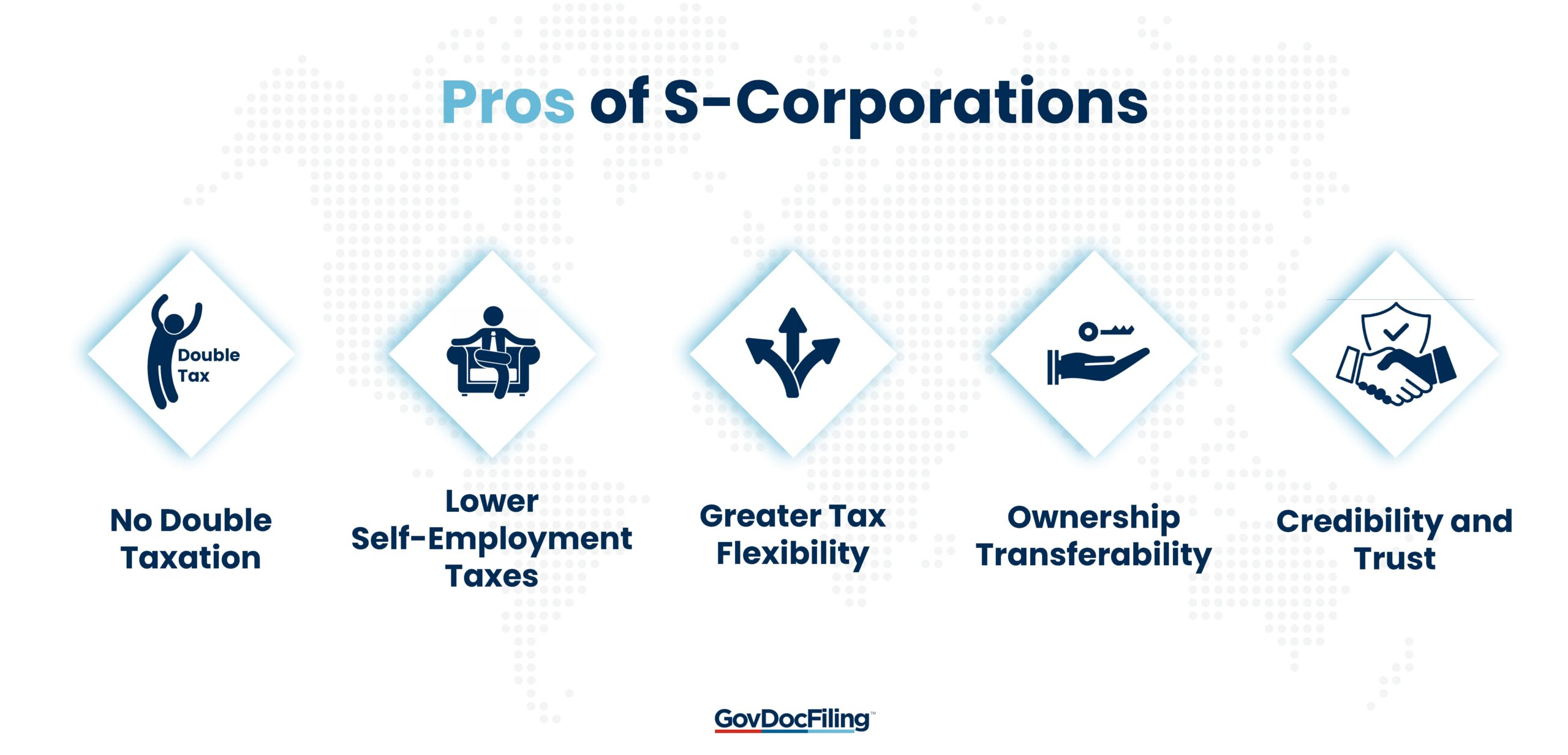
One of the most significant advantages of an S-corp is its pass-through taxation. Unlike C-corporations, which are taxed at the corporate level before dividends are distributed to shareholders, S-corps allow profits and losses to be reported on the owners’ personal tax returns. This means you can avoid the double taxation that could heavily drain your startup’s financial resources.
2. Self-Employment Tax Savings
If you are running a sole proprietorship or partnership, you are generally subject to self-employment taxes on all business profits. In contrast, an S-corp allows owners (or shareholders) to take a salary. Only the salary is subject to self-employment taxes, while the remaining profit is distributed as dividends, which aren’t subject to self-employment tax. This can lead to significant savings over time.
3. Increased Credibility
Having an S-corporation adds a level of legitimacy to your business. This structure can create trust among customers, suppliers, and potential investors. Furthermore, it demonstrates a level of professionalism and a commitment to following business regulations.
4. Easier Access to Capital
Investors generally prefer to invest in corporations because of the established structure and potential for growth. By operating as an S-corp, you can have multiple shareholders, which could make it easier to raise capital and invest in your startup’s growth.
5. Deductible Business Expenses
As with any business entity, operating as an S-corp allows you to deduct necessary business expenses from your taxable income. This includes wages, supplies, rent, and utilities. These deductions can reduce your overall tax burden significantly.
6. Retirement Plan Options
S-corporations can establish various tax-advantaged retirement plans, like 401(k)s and SEP IRAs. This not only benefits you as a business owner but also provides benefits for your employees, making your company more attractive to talent.
Cons of Operating as an S-Corp
While there are undeniable advantages to choosing an S-corporation, it is crucial to be aware of the potential downsides. Here are some of the cons associated with operating as an S-corp:
1. Limited Ownership Structure
An S-corp has specific restrictions regarding ownership. For example, it can’t have more than 100 shareholders, and all shareholders must be U.S. citizens or resident aliens. This limitation may restrict your ability to raise funds and bring in investors.

- Overcome negative thought patterns, reduce stress, and live a worry-free life
- Overthinking is the biggest cause of unhappiness
- Don't get stuck in a never-ending thought loop
- Stay present and keep your mind off things that don't matter, and never will
- Break free of your self-imposed mental prison
2. Increased Complexity and Cost
While S-corps benefit from tax advantages, maintaining the structure can be more complex and often requires more paperwork than other business structures like sole proprietorships or partnerships. You’ll need to adhere to strict filing requirements and state regulations, which can lead to higher administrative costs.
3. Drawing a Reasonable Salary
IRS regulations require that shareholder-employees of S-corps pay themselves a “reasonable” salary based on market rates for similar work. Underestimating your salary can raise red flags with the IRS, leading to an audit or penalties. This can be a challenging task if you’re a startup with fluctuating revenue.
4. Limited Fringe Benefits
S-corps can offer fewer fringe benefits to shareholders than other business structures. Any benefits provided may be taxed as income, leading to potential tax liabilities for you and your employees. You may find it challenging to attract top talent without the ability to offer competitive benefits.
5. State-Level Taxes
Some states do not recognize S-corps as a pass-through entity. They impose their corporation taxes, which can mean additional financial burdens for your startup. You’ll need to research your state’s tax regulations to ensure you’re complying completely.
6. Strict Operational Processes
S-corps are required to follow corporate formalities, including holding regular meetings, maintaining corporate minutes, and keeping accurate records. These tasks may seem cumbersome for a startup focused on growth, and failure to comply can lead to losing your S-corp status.
Is an S-Corp Right for Your Startup?
The decision to form an S-corporation isn’t a one-size-fits-all solution. Assessing whether this option is ideal for your startup requires a clear understanding of your specific business needs, growth projections, and financing strategies. Here are a few questions to consider:
- What is your growth strategy? If you envision your startup scaling rapidly and potentially going public, a C-corp might be more suitable.
- How do you plan to compensate yourself? If you expect a high income from your startup, the self-employment tax advantage of an S-corp could be beneficial.
- What are your plans for raising capital? If you plan to bring on numerous investors, S-corp ownership restrictions may present challenges.
Consulting a Professional
While this article offers a comprehensive understanding of the pros and cons of S-corporations, the complexities of business structure decisions are best navigated with the help of a certified accountant or business attorney. They can provide tailored advice based on your unique circumstances, ensuring that you choose the best route for your startup.
Conclusion
Choosing to operate your startup as an S-corp can provide significant tax benefits and professional credibility. However, it’s essential to balance these advantages with the potential limitations and complexities this structure entails. Ultimately, understanding your business’s unique needs and consulting with professionals can help you make a well-informed decision that aligns with your long-term goals.
As you embark on your entrepreneurial journey, ensure that you equip yourself with the knowledge and resources necessary to make the best decision for your venture. Being informed is the first step toward success!


