
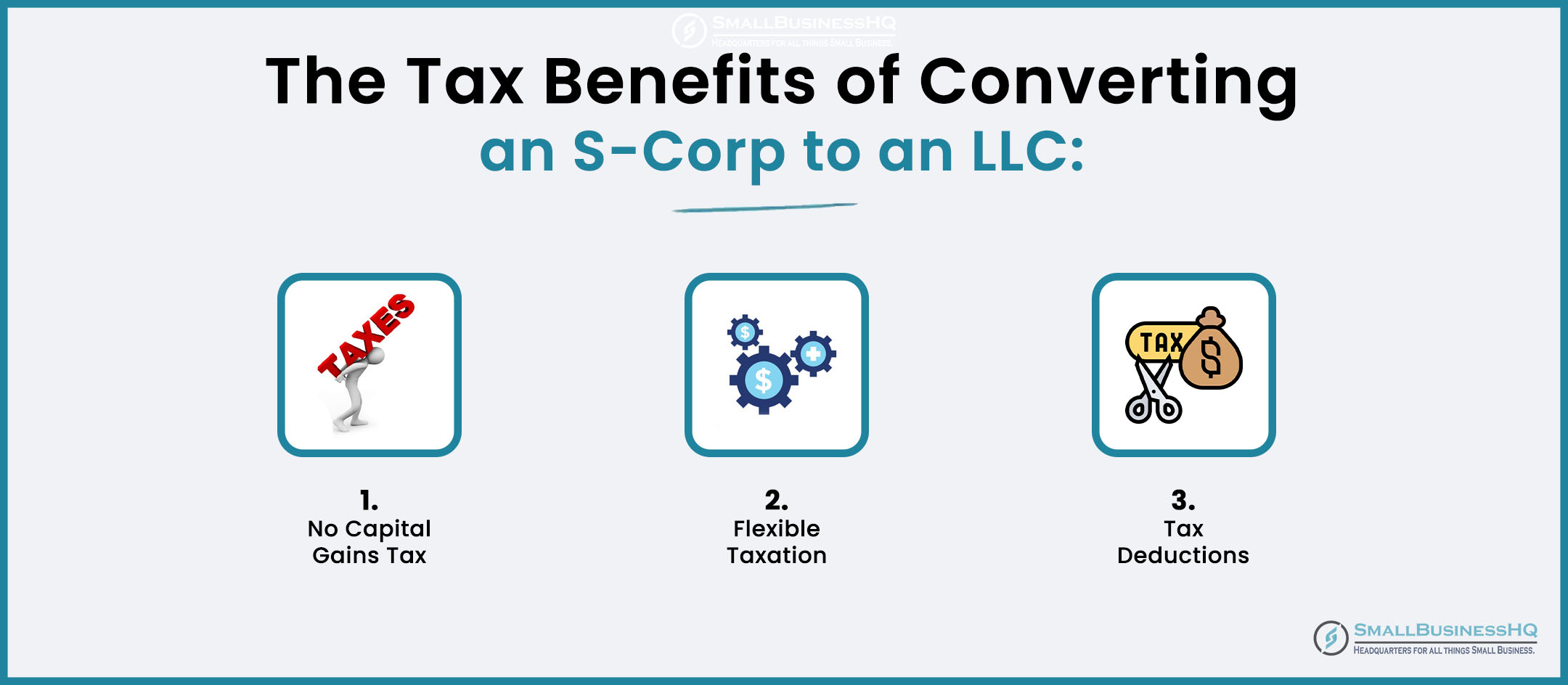
If you’re a business owner really trying to understand the nuances of your entity type, you might be asking, “How can I transition from an LLC to a corporation to maximize my tax benefits?” The world of business structure can be complex, especially when it comes to understanding taxation. But don’t worry — we’re here to break it all down for you in simple, digestible terms.
Understanding LLCs and Corporations
Before diving into the nitty-gritty of how to make the switch, let’s clarify what LLCs (Limited Liability Companies) and Corporations are.
LLC:
An LLC is a flexible business structure that offers personal liability protection to its owners (referred to as members) while allowing them the freedom to choose how they are taxed. An LLC can be taxed as a sole proprietorship, partnership, or corporation—whichever is more beneficial for its members.
Corporation:
A corporation is a more complex business entity that is legally separate from its owners (shareholders). This structure provides liability protection for shareholders, but it also comes with more stringent regulations and requirements. Corporations are primarily taxed as C-corporations and can elect to be taxed as S-corporations if they meet certain criteria.
Reasons to Transition from an LLC to a Corporation
-
Enhanced Credibility:
Transitioning to a corporation can provide greater credibility in the eyes of potential investors, lenders, and customers. Corporations often reflect a more established business presence. -
Attracting Investors:
Corporations can issue stocks, making them more appealing to investors who are looking for equity-based returns. This can significantly boost your ability to raise capital for growth and new ventures. -
Tax Benefits:
Corporations have the potential to enjoy different tax benefits compared to LLCs. For instance, C-corporations are subject to lower tax rates on retained earnings and can provide more deductible business expenses. -
Employee Benefits:
Corporations may also offer more robust benefits, including stock options and retirement plans, which can help attract and retain talented employees.
An Overview of the Transition Process
Transitioning from an LLC to a corporation is a journey that requires careful planning and execution. Here’s a step-by-step guide:
Step 1: Analyze Your Reason for Change
First and foremost, it’s essential to assess why you want to make this switch. Ask yourself:
– Is it for potential tax advantages?
– Are you looking to raise capital through investors?
– Are your business goals evolving, necessitating a more complex structure?
Clearly defining your reasons will aid in a smoother transition.
Step 2: Consult with Professionals
Before jumping into the transition, consult with financial advisors and attorneys specializing in business structures. Their expertise can guide you through the legal implications, tax considerations, and the overall impact on your business.
Step 3: Choose Your Corporate Structure
You can opt for a C-corporation or an S-corporation:
-
C-Corporation: A traditional corporation where profits are taxed at the corporate level, and dividends are taxed at the shareholder level.
-
S-Corporation: A pass-through entity where profits and losses pass directly to shareholders, avoiding double taxation. However, there are specific qualifications that must be met.
Choose the structure that aligns best with your goals.

- Overcome negative thought patterns, reduce stress, and live a worry-free life
- Overthinking is the biggest cause of unhappiness
- Don't get stuck in a never-ending thought loop
- Stay present and keep your mind off things that don't matter, and never will
- Break free of your self-imposed mental prison
Step 4: Create a New Business Entity
-
File Articles of Incorporation: You’ll need to draft and file Articles of Incorporation or a Certificate of Incorporation with your state’s Secretary of State.
-
Obtain Necessary Licenses and Permits: Ensure you have all the required licenses to operate as a corporation in your industry and area.
-
Draft Corporate Bylaws: Corporate bylaws establish how your corporation will operate. It serves as a foundation for governance.
-
Hold Organizational Meeting: Set a meeting with your directors to adopt bylaws, appoint officers, and issue shares of stock.
Step 5: Dissolve the LLC
Once your corporation is set up, you’ll want to officially dissolve your LLC. This often involves filing dissolution documents with your state and settling any remaining debts or liabilities.
Step 6: Update Your Business Documents and Contracts
You’ll need to update your contracts, bank accounts, and other business documents to reflect your new corporate structure. Inform clients, suppliers, and stakeholders of the changes.
Managing Tax Implications
Transferring from an LLC to a corporation comes with distinct tax implications. Here’s what you need to keep in mind:
-
Potential Tax Consequences:
Transitioning could trigger tax events such as the recognition of built-in gains or losses. Consulting a tax professional can help navigate these potential pitfalls. -
Distributions:
C-corporations face double taxation when profits are distributed as dividends, while S-corporations pass income to shareholders, avoiding the double tax. -
Deductions:
Corporations have a broader scope of deductible business expenses compared to LLCs. This includes things like executive salaries, employee benefits, and more.
Common Misconceptions About the Transition
-
Misconception: Corporations are Always Better.
While corporations offer specific benefits, the best choice depends on individual circumstances. LLCs can still be effective for small businesses. -
Misconception: Immediate Tax Benefits.
Transitioning does not guarantee immediate tax benefits. Evaluating this based on your unique business needs is crucial. -
Misconception: The Process is Simple.
The transition involves several legal and tax implications. Rushing into the process can lead to complications down the road.
Conclusion
Transitioning from an LLC to a corporation is a significant decision that can yield substantial tax benefits and other advantages. However, it requires thorough research, planning, and professional guidance.
By clearly understanding your motivations, consulting with experts, and carrying out the transition step-by-step, you can position your business for growth and seize the opportunities that come with a corporation.
Remember, every business is unique, so the best approach for your transition may vary. Take your time, evaluate your options, and make sure your new structure aligns perfectly with your long-term goals.
Crafting your business future is an exciting journey, and transitioning to a corporation could be a strategic step in that adventure. Whether you’re just starting to consider this option or are poised to make the leap, we hope this article has armed you with the knowledge you need to move forward confidently! Safe travels through the world of entrepreneurship!


