
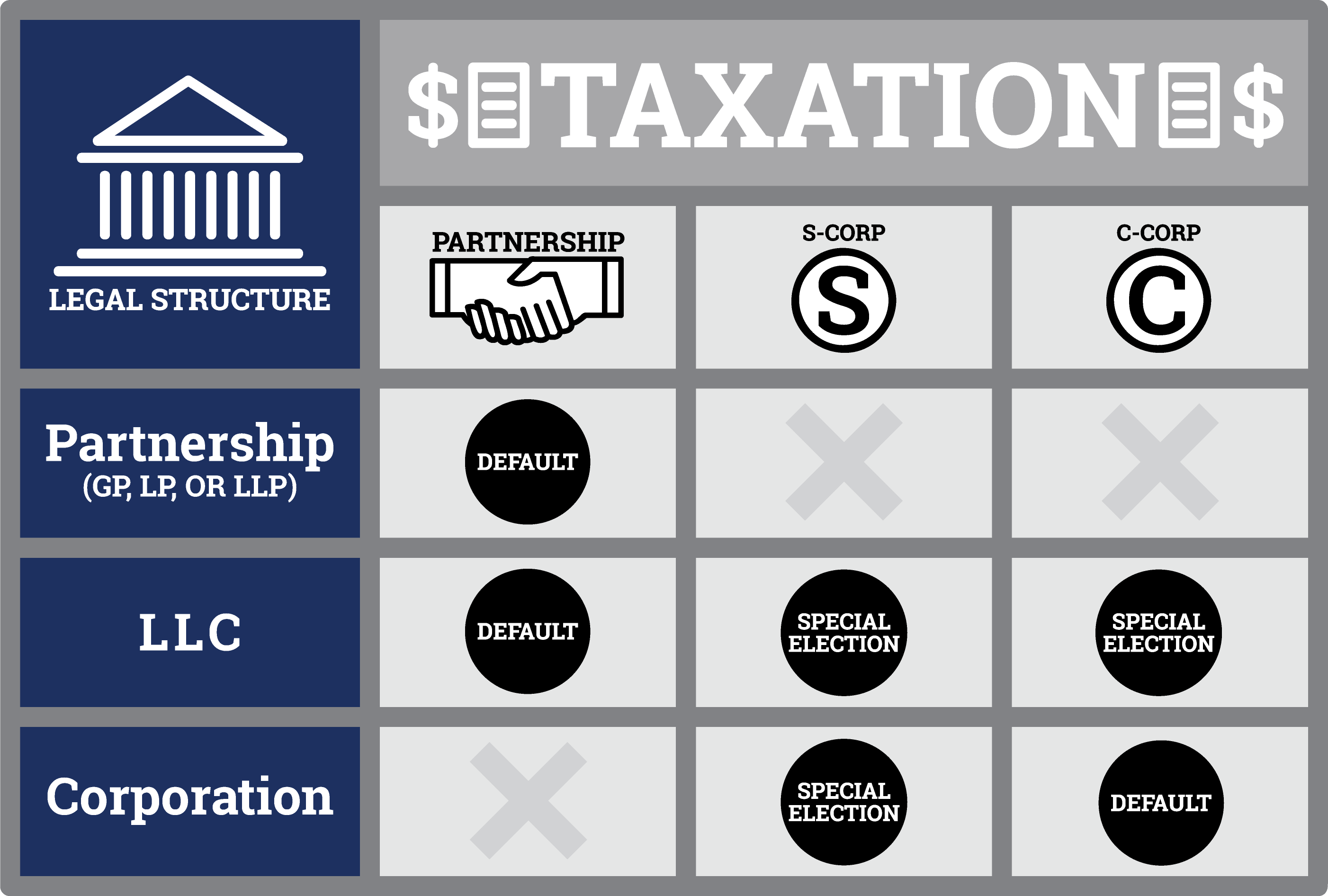
Starting a new business can be exciting yet overwhelming, especially with the numerous legal structures available. Two popular choices for startups are Limited Liability Companies (LLCs) and Limited Liability Partnerships (LLPs). Each offers distinct advantages and disadvantages, which can greatly impact your business’s operations and taxation. If you’re unsure which structure is right for your startup, this article will provide a comprehensive tax comparison between LLCs and LLPs to help you make an informed decision.
Understanding LLCs and LLPs
To make an educated choice between an LLC and an LLP for your startup, it’s essential first to understand what each structure entails.
What is an LLC?
A Limited Liability Company, or LLC, is a flexible business structure that combines the benefits of a corporation and a partnership. In an LLC, owners (known as members) enjoy personal liability protection, meaning their personal assets are protected from business debts and liabilities. This makes an LLC a popular choice for many entrepreneurs.
Key Features of LLCs:
- Member Ownership: LLCs can have one or multiple members, including individuals or other business entities.
- Flexibility in Management: LLCs can be member-managed or manager-managed, allowing flexibility in day-to-day operations.
- Pass-through Taxation: By default, profits and losses are passed through to members and reported on their personal tax returns, avoiding double taxation.
What is an LLP?
A Limited Liability Partnership (LLP) is similar to an LLC, but its structure is intended primarily for professional service businesses, such as law firms, accounting firms, and medical practices. In an LLP, all partners have limited liability, which protects each partner from being responsible for another partner’s negligence or misconduct. This makes LLPs a suitable choice for professionals who want to limit their personal liability while collaborating with others.
Key Features of LLPs:
- Partnership Structure: Ownership is typically shared among partners, who may also actively manage the business.
- Personal Asset Protection: Similar to LLCs, partners are generally not held personally liable for the partnership’s debts or obligations.
- Pass-through Taxation: Like LLCs, LLPs typically benefit from pass-through taxation, where profits and losses are reported on individual partners’ tax returns.
The Tax Comparison: LLC vs. LLP
When evaluating LLCs and LLPs, one of the primary considerations is how each structure affects taxation. Here’s a detailed comparison of the tax implications associated with each option:
1. Tax Classification and Filing
-
LLCs: By default, single-member LLCs are classified as “disregarded entities” for tax purposes, meaning their income is reported on the owner’s personal tax return using Schedule C. Multi-member LLCs are treated as partnerships and file Form 1065, an informational return, while profits are passed through to the individual members’ tax returns.
-
LLPs: LLPs are typically classified as partnerships for tax purposes, as they share their profits and losses among the partners without paying corporate taxes. LLPs file Form 1065 for their partnership income, with each partner then reporting their share of the profits or losses on their individual tax returns.
2. Tax Rates
-
LLCs: The income earned by an LLC is taxed at the individual member’s tax rate. For high-income individuals, this can lead to higher tax obligations if profits are substantial. However, LLCs can elect to be taxed as corporations (C or S Corporation), which might offer potential tax savings or advantages depending on the situation.
-
LLPs: Like LLCs, the income in an LLP passes through to partners, who pay taxes based on their individual tax brackets. While this can be similar in nature when compared to an LLC, LLPs may face additional compliance requirements depending on the state.
3. Self-Employment Tax
-
LLCs: Members of an LLC are considered self-employed, which means they are responsible for paying self-employment taxes (Social Security and Medicare) on their share of the LLC’s income. This can be a significant proportion of the overall tax bill, particularly for high-earning members.
-
LLPs: Partners in an LLP also face self-employment tax liabilities on their profits, as they are generally considered self-employed individuals. However, if the LLP elects S Corporation taxation, partners may become employees and potentially reduce their self-employment tax liabilities.

- Overcome negative thought patterns, reduce stress, and live a worry-free life
- Overthinking is the biggest cause of unhappiness
- Don't get stuck in a never-ending thought loop
- Stay present and keep your mind off things that don't matter, and never will
- Break free of your self-imposed mental prison
4. Salary and Distributions
-
LLCs: Members may choose to take distributions or salaries. If taking a salary, this needs to be reasonable and can lead to income tax liabilities at ordinary rates. Distributions, however, may not face self-employment taxes, offering potential tax advantages.
-
LLPs: Partners typically take distributions rather than salaries. However, each partner pays taxes on their share of the profits, regardless of whether they distribute the money or reinvest it in the business. Depending on how profits are distributed, this tax structure can work favorably for partners who want to retain earnings for business growth.
Other Considerations for Startups
While tax implications are crucial when choosing between LLCs and LLPs, several other factors can impact your decision.
1. Regulatory and Compliance Requirements
-
LLCs: Generally, LLCs experience fewer regulatory burdens than corporations. However, they still must comply with state requirements, including filing Articles of Organization and periodic reports.
-
LLPs: LLPs may have slightly more complex regulatory requirements. Many states mandate that an LLP must have a registered agent and file an LLP registration with the state. Additionally, some industries may necessitate more stringent compliance.
2. Formation and Management
-
LLCs: An LLC can be formed with one or more members, providing flexible options for management and investment. The owners can shape the operating agreement and managerial structure to suit their needs.
-
LLPs: All partners in an LLP usually have a say in management decisions unless stated otherwise in the partnership agreement. This structure fosters collaboration but may result in conflicts if partners disagree.
3. Raising Capital
-
LLCs: While LLCs can have unlimited members, raising capital can still be a challenge. Potential investors may prefer more traditional structures, like C Corporations.
-
LLPs: The partnership structure can be attractive for professionals working within the same field. However, like LLCs, LLPs may face challenges in attracting outside investors due to the nature of partnership agreements.
Conclusion: Choosing the Best Structure for Your Startup
Selecting the right business structure for your startup is a crucial decision that involves numerous legal, financial, and operational factors. An LLC may offer more flexibility for various types of businesses due to its simple management structure and fewer regulatory requirements. In contrast, an LLP is particularly beneficial for professional services and allows partners to limit personal liability while sharing profits and losses.
When it comes to tax implications, both LLCs and LLPs generally benefit from pass-through taxation, minimizing corporate tax burdens. However, your organization’s specific circumstances, including ownership structure, income level, and growth plans, will significantly influence your choice.
Seek trusted legal and financial advice, especially if your startup involves unique industry considerations or intricate partnership arrangements. By fully understanding the strengths and weaknesses of LLCs and LLPs, you’ll be better equipped to make a decision that aligns with your vision for success.
Additional Resources
- Consult a CPA: For tailored advice on tax benefits or implications of each business structure.
- Legal Consultation: To understand the operational and ethical regulations for different business structures.
- State-Specific Requirements: Ensure to review requirements specific to your state regarding LLC and LLP formation and compliance.
Whether you choose an LLC or an LLP, remember that starting your entrepreneurial journey is a monumental step, and making informed decisions is crucial for long-term success. Happy travel on your startup adventure!


