
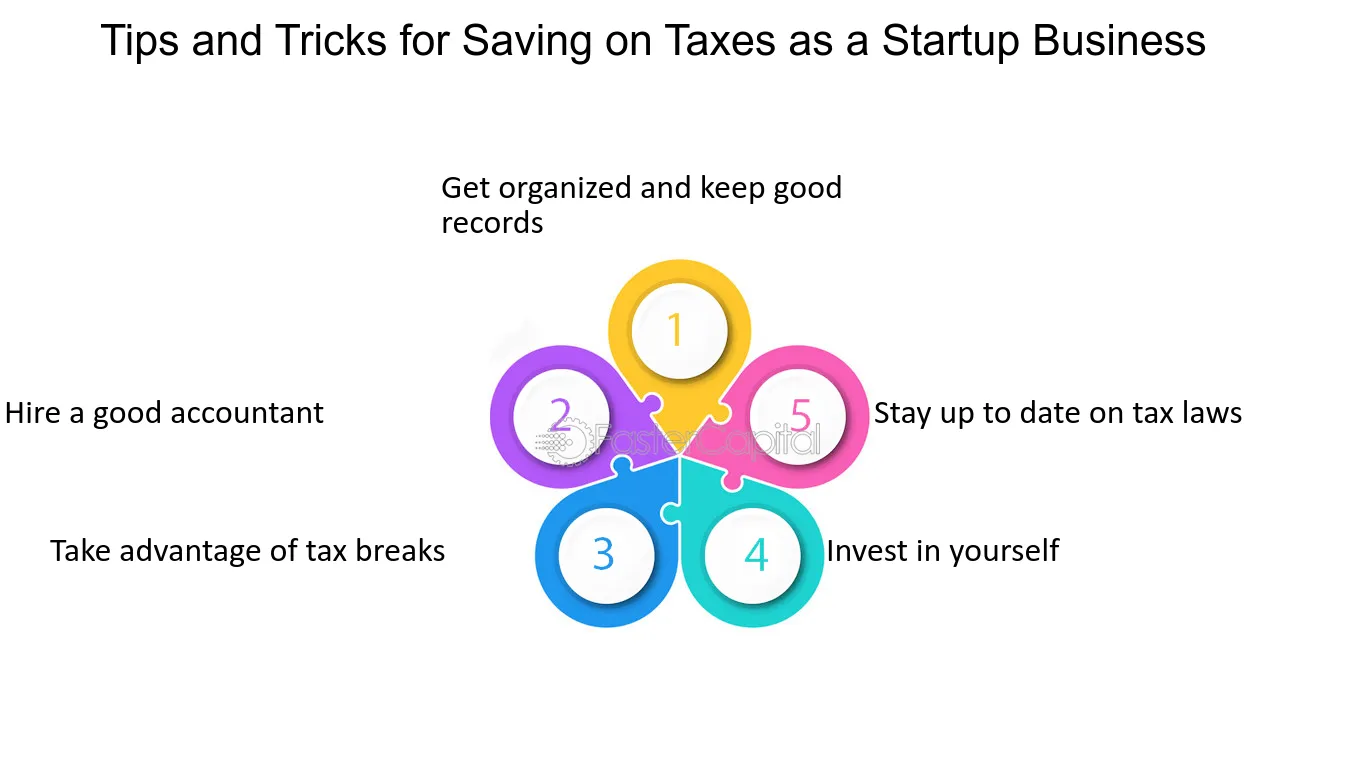
As the proud owner of a thriving startup, the last thing you want is for a hefty tax bill to cut into your profits. Fortunately, there are smart strategies you can employ to reduce your tax burden while remaining compliant with IRS regulations. In this article, we’ll explore actionable tips that can help you save on taxes as your startup grows and flourishes.
Understanding Your Startup’s Tax Obligations
Before diving into tax-saving strategies, it’s crucial to understand your startup’s tax obligations. Depending on your business structure (Sole Proprietorship, LLC, Corporation, etc.), different tax rules might apply. Familiarize yourself with the forms you’ll need to file and the deadlines you must meet.
Choose the Right Business Structure
One of the most significant decisions you will make as a new entrepreneur is choosing the right business entity. Your choice affects your tax liabilities and personal finances, so it’s essential to choose wisely.
-
Sole Proprietorship: This is the simplest option, but it means your business income is reported on your personal tax return. You’re subject to self-employment tax.
-
LLC (Limited Liability Company): An LLC provides limited liability and offers flexibility in taxation. It can be taxed as a sole proprietorship, partnership, or corporation, allowing for potential tax savings.
-
Corporation: C-Corps are taxed separately from their owners, which can lead to double taxation. However, S-Corps can help avoid this by allowing income to pass through directly to owners.
Consult with a tax professional to determine which structure is best suited for your startup, keeping in mind growth plans and projected income.
Keep Accurate Financial Records
Maintaining meticulous financial records is crucial not just for organization but also for maximizing tax deductions. Poor recordkeeping can lead to missed deductions or worse — problems with the IRS.
Use Accounting Software
Investing in reliable accounting software can save you time and money. Tools like QuickBooks or FreshBooks can help track expenses, generate invoices, and manage cash flow efficiently. This enables you to pull the necessary financial reports at tax time easily.
Record All Business Expenses
From office supplies to travel expenses, diligence in recording all business costs can make a significant difference in your tax return. Common deductible expenses include:
-
Home office costs: If you work from home, you can deduct a portion of your housing expenses.
-
Equipment and software: Any tools or software necessary for your operations can typically be written off.
-
Advertising and marketing: Costs related to promoting your startup are also deductible.
Keeping receipts and invoices will support your claims in case of an audit.
Leverage Tax Deductions and Credits
Once you’ve organized your records, the next step is to identify deductions and credits that your startup may be eligible for. These can directly reduce your taxable income and ultimately the amount you owe.
Start-Up Costs Deduction
When launching your startup, you may incur several initial costs, such as market research, expenses for training employees, or costs related to creating a business plan. The IRS allows entrepreneurs to deduct up to $5,000 in startup costs in the first year. Costs exceeding that may need to be amortized over 15 years.
Section 179 Deduction
As a startup, you might invest in equipment or software. The Section 179 deduction allows you to deduct the full purchase price of qualifying equipment or software, rather than capitalizing it and depreciating it over time. In 2023, the maximum deduction is $1,160,000, with a threshold of $2,890,000.
Research & Development (R&D) Tax Credit
If your startup engages in innovative activities, you may qualify for the R&D tax credit. This credit encourages companies to invest in research and development and can lead to substantial savings.

- Overcome negative thought patterns, reduce stress, and live a worry-free life
- Overthinking is the biggest cause of unhappiness
- Don't get stuck in a never-ending thought loop
- Stay present and keep your mind off things that don't matter, and never will
- Break free of your self-imposed mental prison
Work Opportunity Tax Credit
If you’re hiring individuals from targeted groups who face significant barriers to employment, you may be eligible for the Work Opportunity Tax Credit. This program can provide a tax credit of up to $9,600 for hires from certain demographics.
Take Advantage of Tax-Advantaged Accounts
Utilizing tax-advantaged accounts can yield significant benefits for startup owners and their employees.
Self-Employed Retirement Plans
Consider setting up a retirement plan such as a Solo 401(k) or a SEP IRA. These accounts not only prepare you for the future but also allow you to lower your taxable income for the current year.
Health Savings Accounts (HSAs)
If you offer high-deductible health insurance plans, consider setting up Health Savings Accounts for you and your employees. Contributions to HSAs are tax-deductible, and withdrawals for qualified medical expenses are tax-free.
File Your Taxes on Time
Proper planning and compliance can save you from unnecessary fines or penalties. Mark your calendar with important tax deadlines, and always file on time.
Estimated Taxes
Depending on your startup’s income, you may be required to make estimated quarterly tax payments. Not only does this help avoid tax penalties, but it can also keep you on track regarding your cash flow.
Work with a Tax Professional
Consulting with a tax professional can provide invaluable insights and can help ensure you are maximizing deductions and credits while remaining compliant with the laws. A tax advisor can alert you to any changes in tax laws that may impact your business.
Use Technology to Your Advantage
In the age of technology, various tools can help you streamline your accounting and tax processes.
Expense Tracking Apps
Apps like Expensify and Shoeboxed keep your receipts organized and track your business expenses in real-time, providing you with reports for tax season.
Tax Preparation Software
Software like TurboTax or H&R Block can simplify the tax preparation process. They walk you through filing and check for maximum refunds and deductions, helping you to save more.
Plan for the Future
While focusing on the present, don’t forget to plan for the future. Consider how your decisions today will impact your tax situation down the line.
Business Forecasting
Create thorough financial projections for your startup. Determining potential revenue streams can inform decisions about expenses, investments, and potential tax liabilities.
Review Your Business Structure Regularly
As your startup evolves, your original business structure might no longer be the best option. Periodically reassess your business entity, and consult with a financial advisor as your startup grows.
Conclusion
Navigating the world of taxes can seem intimidating, especially for a young startup. However, by implementing smart strategies, maintaining precise records, and leveraging available deductions and credits, you can significantly reduce your tax burden. Take the time to understand your obligations, invest in technology that streamlines financial management, and regularly consult with professionals who can guide you. Ensure your brilliant ideas and hard work are reflected in your bottom line, while also aligning with tax regulations. As your startup continues to thrive, keeping tax strategies in mind will ensure your road to success remains financially sound.
With these tactics in your arsenal, you’re on the right path toward maximizing your profits and minimizing your tax obligations. Here’s to a prosperous venture!


