
Starting a new business is an exhilarating venture, filled with the promise of success and the potential to change the world. However, for many entrepreneurs, the road to building a flourishing startup can be fraught with challenges, especially when it comes to managing finances and taxation. Fortunately, numerous states across the U.S. offer tax incentives aimed at helping new businesses grow and thrive. In this article, we will explore state-specific tax incentives and how startups can take full advantage of local tax programs.
Understanding State-Specific Tax Incentives
Before diving deep into the specifics, it’s important to recognize what state-specific tax incentives entail. Generally, these incentives are financial benefits offered by state governments to stimulate economic growth, attract businesses, and encourage job creation within their borders. They can take many forms, including tax credits, deductions, grants, and exemptions tailored for startups.
These incentives can significantly reduce the financial burden for startups, allowing greater focus on innovation, product development, and market expansion. Each state has its own unique set of programs, making it crucial for entrepreneurs to understand the options available in their respective states.
Why State-Specific Tax Incentives Matter
For startups, every penny counts, especially when resources are limited. Tax incentives can enhance cash flow, give a competitive edge, and pave the way for future investments.
1. Reducing Operational Costs
By taking advantage of tax credits and deductions, startups can reduce their operational costs significantly. This can be crucial during the early stages of business development, allowing entrepreneurs to allocate resources towards product development, hiring talent, and marketing efforts, rather than paying high taxes.
2. Attracting Investment
Investors are more likely to support startups based in states with favorable tax environments. Knowing that a business has access to beneficial local tax programs can make it more attractive to potential investors, ultimately leading to increased funding opportunities.
3. Encouraging Job Creation
Startups are often seen as engines of economic growth. By leveraging tax incentives, these businesses can create more jobs, which in turn stimulates local economies. In some cases, states even offer additional incentives for businesses that commit to hiring local residents.
Examples of State-Specific Tax Incentives
Now let’s explore specific examples of tax incentives available to startups in various states.
California: California Competes Tax Credit
In California, the California Competes Tax Credit (CCTC) is designed to attract businesses that create jobs in the state. The program allocates $180 million annually in tax credits to businesses that demonstrate the potential for economic growth. Startups looking to expand and hire employees should consider applying for this incentive.
New York: Excelsior Jobs Program
New York has varying tax incentives, with one noteworthy program being the Excelsior Jobs Program. This program provides tax credits for creating jobs in certain high-growth industries, including technology, biotechnology, and manufacturing. Startups can benefit from refundable tax credits based on the number of jobs created and maintained over a designated period.
Texas: Texas Enterprise Fund
The Texas Enterprise Fund (TEF) is one of the largest deal-closing funds in the nation. It offers financial incentives to businesses that commit to creating jobs in Texas. Startups can apply for funding that supports their growth while benefitting from a favorable business climate with no income tax.
Florida: Quick Response Training Program
Florida’s Quick Response Training (QRT) Program allows businesses to request funding for employee training programs. Startups overseeing new employee onboarding and training can benefit significantly from this program, ultimately enhancing their workforce and productivity without incurring substantial upfront training costs.
Massachusetts: Innovation-Based Tax Incentives
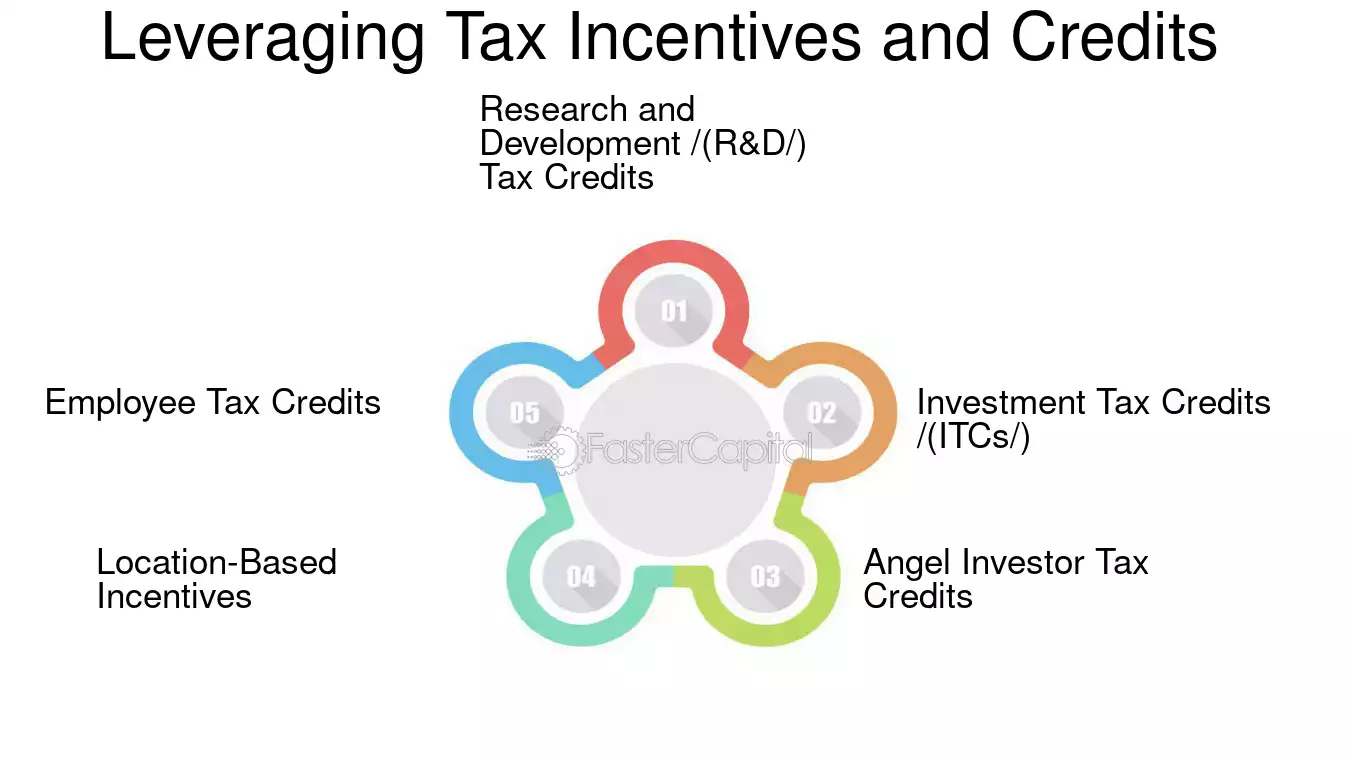
Massachusetts has embraced innovation as a key driver for economic growth. The state offers various tax credits aimed at research and development, as well as investments in high-tech industries. Startups engaged in developing cutting-edge technologies can leverage these incentives to offset their investment in innovation.

- Overcome negative thought patterns, reduce stress, and live a worry-free life
- Overthinking is the biggest cause of unhappiness
- Don't get stuck in a never-ending thought loop
- Stay present and keep your mind off things that don't matter, and never will
- Break free of your self-imposed mental prison
Taking advantage of state-specific tax incentives requires a strategic approach. Here are the steps startups should consider:
1. Research Available Incentives
Start by researching the tax incentives your state offers. Each state’s economic development website typically has a dedicated section outlining available programs. Consider legal and financial consulting services that specialize in tax incentives to guide you through the unique offerings available in your jurisdiction.
2. Evaluate Eligibility
Tax incentives often come with eligibility criteria. The startup should evaluate their business size, industry, and growth projections to see if they qualify for specific programs. Understanding the qualifications required can save time and effort in the application process.
3. Collect Necessary Documentation
Applying for tax incentives may require considerable documentation. This can include financial statements, job creation plans, and proof of expenses. Gather all necessary paperwork early to streamline the application process.
4. Submit Applications Promptly
Timeliness is essential when applying for tax incentives. Many programs operate on a first-come, first-served basis, or have application deadlines. Ensure that all applications are submitted within the required timelines to avoid missing out on financial support.
5. Stay Informed of Changes
Tax incentives and programs can change often due to policy shifts or budget adjustments. Entrepreneurs should stay informed about the changes that may influence their eligibility or the amount of financial assistance available.
The Importance of Strategic Planning
While state-specific tax incentives can significantly benefit your startup, leveraging them effectively requires strategic planning. Here are some strategies to make the most of these programs:
1. Incorporate Tax Incentives into Business Plans
Including state-specific tax incentives in your business plan can help clarify your financial strategy and inform potential investors of your projected cost savings.
2. Collaborate with Local Economic Development Agencies
Engaging with local economic development agencies can provide insight into available incentives and connect you with resources. These agencies often have staff who specialize in helping startups navigate the taxing landscape of local, state, and federal incentives.
3. Consider Geographic Advantages
Businesses can also consider establishing operations in favorable localities within their states. Some areas might have special programs aimed at fostering economic growth in certain regions, which can offer additional tax benefits.
4. Emphasize Job Creation
Whenever possible, emphasize job creation in your applications for tax incentives. States are often committed to reducing unemployment and are likely to favor businesses that will create significant number of jobs.
Conclusion
State-specific tax incentives can serve as a powerful financial tool for startups seeking to minimize operational costs and accelerate growth. By understanding the grants, credits, and program options in their respective states, entrepreneurs can position their businesses for success in a competitive market.
Assembling the right resources, conducting thorough research, and being proactive in the application process can make all the difference in capitalizing on these opportunities. Startups that strategically leverage state-specific tax incentives not only improve their own chances for success but may also contribute positively to the local economy, thus creating a more favorable environment for future businesses.
When navigating the world of starting a new business, never underestimate the power of local tax programs – they could be the key to transforming your ambitious startup idea into a thriving reality.


