
In an ever-evolving economic landscape, startups are always on the lookout for opportunities to fuel their growth. One of the most powerful yet underutilized financial instruments available to them is the New Markets Tax Credit (NMTC). This article serves not only as an exploration of the NMTC program but also a guide for startups seeking to qualify and leverage its benefits. If you’re a startup founder or entrepreneur eager to discover how your business can tap into this lucrative opportunity, read on!
What is the New Markets Tax Credit?
The New Markets Tax Credit program was established by the Community Renewal Tax Relief Act of 2000. Its main goal is to stimulate investment in low-income communities by providing federal tax credits to investors. This initiative is crucial in empowering disadvantaged areas that struggle with economic hardship. By attracting private capital to these communities, the NMTC aims to drive economic growth, create jobs, and improve overall quality of life.
The Objective of the NMTC
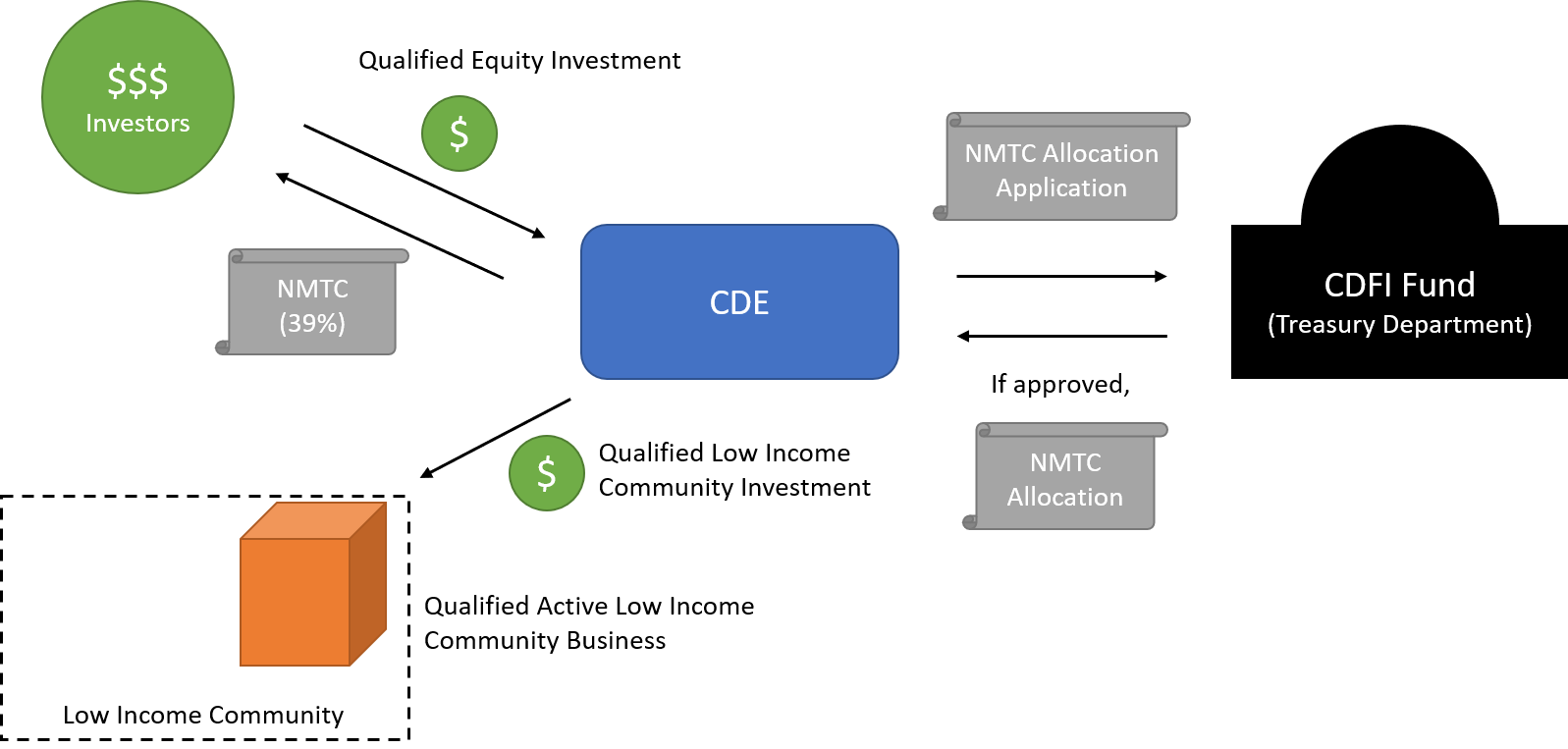
The NMTC program focuses on encouraging investments in community development entities (CDEs) that lend to startups and businesses within low-income communities. When investors make qualified investments in these CDEs, they receive a tax credit equal to 39% of the investment, which can be claimed over a seven-year period. This tax incentive can significantly reduce the cost of capital for businesses, making it an essential vehicle for growth.
Understanding the Requirements
For startups to qualify for the NMTC, they must meet specific eligibility criteria. Understanding these requirements is crucial for securing the tax credit. Here’s a detailed look at what your startup needs to consider:
1. Location Matters
Startups must be located in a Qualified Low-Income Community (QLIC). This encompasses areas with a poverty rate of at least 20% or where the median family income does not exceed 80% of the area median income. Identify if your startup’s address falls within a designated low-income community to measure eligibility effectively.
2. Business Type and Size
Although the NMTC program does not discriminate based on industry, it primarily targets small businesses or those with fewer than 250 employees. Startups can benefit from the credit as long as their business structure aligns with this criterion.
3. Community Development Purpose
It’s essential for startups to demonstrate how they will contribute to community development. This can include creating jobs, enhancing local services, or promoting local investment. Having a clear and communicable plan that aligns with community improvement goals will be beneficial.
4. Investment from CDEs
Startups cannot directly claim the NMTC. Instead, they must attract investments from certified Community Development Entities (CDEs). Startups must build relationships with these entities, which will evaluate their business and determine whether they attract enough interest to qualify for additional capital.
Steps to Qualify for the NMTC
Now that you’re familiar with the requirements, let’s delve into actionable steps that can help your startup qualify for the New Markets Tax Credit.
Step 1: Assess Your Location
As previously discussed, ensure that your startup is based in a qualified low-income community. Utilize the U.S. Department of Treasury’s Community Development Financial Institutions Fund (CDFI Fund) map to confirm your business’s eligibility based on geographic location.
Step 2: Develop Your Business Model
Fine-tune your business model focusing on how your startup contributes to community development. What products or services does your startup offer? How does it create jobs or enhance community offerings? A comprehensive business plan should clearly express these elements, showcasing your commitment to not only profitability but also social responsibility.

- Overcome negative thought patterns, reduce stress, and live a worry-free life
- Overthinking is the biggest cause of unhappiness
- Don't get stuck in a never-ending thought loop
- Stay present and keep your mind off things that don't matter, and never will
- Break free of your self-imposed mental prison
Step 3: Connect with CDEs
Research and list Community Development Entities that are active in your state or locality. Many of these organizations maintain websites detailing their investment focus and application processes. Reach out to them, clearly articulating your qualifiable attributes, business objectives, and community impact.
Step 4: Prepare Your Application
Craft a robust application showcasing your startup’s potential. Ensure that your application includes:
- A well-defined business plan
- Financial projections
- Evidence of your startup’s community impact
- A resume or background information on the founding team
By being thorough and transparent, you enhance your odds of getting investment interest from CDEs.
Step 5: Follow Through
Once you’ve applied for investments or have gained interest from a CDE, maintain communication and provide any required documentation promptly. It is crucial to strike a balance between professional persistence and respect for the CDE’s evaluation process.
Common Challenges and How to Overcome Them
While the NMTC presents abundant opportunities, startups may face certain challenges while trying to qualify. Here are common hurdles and strategies to navigate them effectively:
Lack of Awareness
Many startups are unaware of the NMTC program or its benefits. Educational outreach can help mitigate this issue. Consider attending workshops or local community events focusing on funding and grants aimed at low-income areas.
Complex Application Process
The application can be intimidating, especially for startups not familiar with tax credit programs. Enlisting the help of consultants or experienced professionals can simplify this process. Many organizations specialize in guiding startups through the NMTC application.
Limited Networking Opportunities
Establishing connections with CDEs can be challenging. Attend local networking events and engage with stakeholders focused on community development. Establishing relationships with CDE employees can provide valuable insights into the investment process.
Revisiting the Benefits of the New Markets Tax Credit
The New Markets Tax Credit is more than just a tax incentive; it serves as a lifeline for startups in economically distressed regions. Its benefits extend beyond tax relief to encompass:
-
Access to Patient Capital: Startups can secure investments that often come with fewer strings attached than traditional financing.
-
Long-Term Support: Investors in CDEs are typically committed to the long-term success of the businesses they fund, creating potential partnerships that extend beyond finances.
-
Community Development: Securing the NMTC isn’t just about profit; it’s about making a positive impact in your community. Being a player in economic revitalization will not only win investor approval but also help cultivate good community relations.
Conclusion
Qualifying for the New Markets Tax Credit is an excellent way for startups to access the funding necessary for expansion and community engagement. By ensuring that your business aligns with NMTC requirements and taking proactive steps, you can transform your startup’s ambitions into reality while also making a meaningful impact in your community.
If you’re ready to start paving the path toward long-term growth powered by the NMTC, take the first step by evaluating your location and business model. Engage with CDEs that resonate with your vision, and prepare to showcase how your startup will not only change your life but also uplift those around you.
Whether you’re a new entrepreneur or an established leader looking to branch out into low-income community ventures, the New Markets Tax Credit offers an array of possibilities that can help revolutionize not only your startup but also the neighborhood it serves.


