
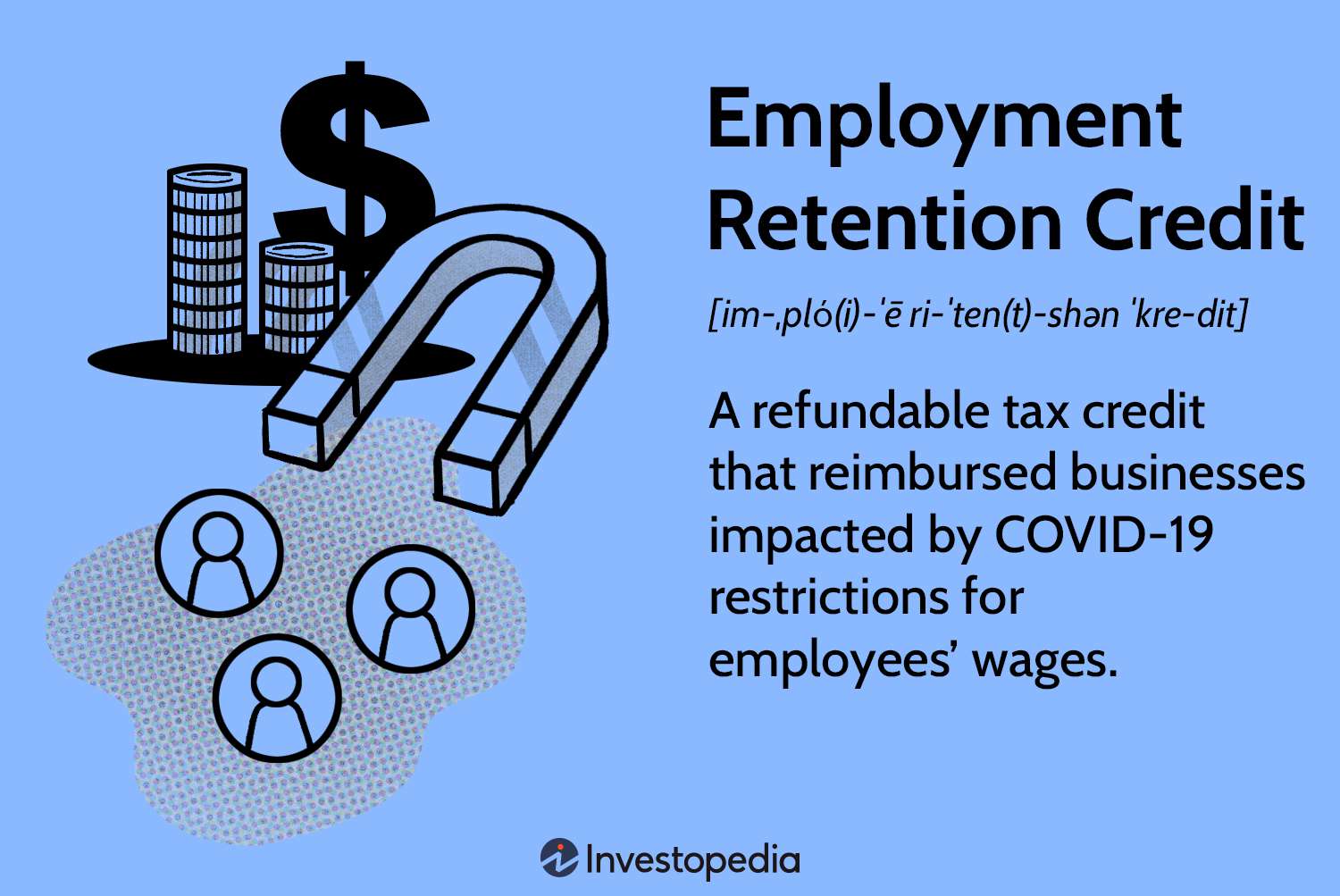
In the ever-evolving landscape of business, startups face a myriad of challenges. From securing funding to building brand visibility, entrepreneurs must navigate their way through a complex web of financial and operational hurdles. One critical aspect that has emerged in recent times is the Employee Retention Tax Credit (ERTC), a valuable incentive provided by the federal government to encourage businesses to retain their employees during economic downturns. In this comprehensive guide, we will explore everything startups need to know about the Employee Retention Tax Credit, demystifying its intricacies, benefits, and application process.
What is the Employee Retention Tax Credit?
The Employee Retention Tax Credit was established as part of the Care Act in March 2020, aimed at helping businesses cope with the adverse effects of the COVID-19 pandemic. The primary goal of ERTC is to incentivize employers to retain their employees despite experiencing a significant downturn in business.
How Does It Work?
ERTC provides eligible employers with a refundable tax credit against employment taxes. Businesses can claim a credit up to a certain percentage of the qualified wages paid to employees, including certain health benefits. This means that for every dollar spent on wages during the eligibility period, businesses can receive a tax credit, which can be applied against the employer’s share of Social Security taxes.
Key Dates to Know
Startups should be aware of particular key dates while considering the ERTC:
- Initial Date of Eligibility: The ERTC was introduced in March 2020.
- Extended Eligibility: The act has been modified over time, allowing businesses to claim the credit through December 2021.
- Application and Claiming Periods: Employers can retroactively claim the credit for past tax periods, ensuring they can benefit from this generous incentive.
Who is Eligible for the Employee Retention Tax Credit?
While the ERTC may sound attractive, not all businesses are automatically eligible. Here’s a quick overview of who qualifies for the credit:
1. Business Size:
Different rules apply based on the size of the business:
- Small Businesses (Fewer than 500 employees): Generally, these businesses can claim the full credit.
- Large Businesses (More than 500 employees): Eligibility may be limited, especially if they didn’t experience a significant decline in gross revenue.
2. Impact of COVID-19:
A business must have either faced a full or partial shutdown due to government mandates or experienced a significant decline in revenue. Specifically, businesses must show a reduction of at least 20% in gross receipts when comparing a 2021 quarter to the same quarter in 2019 or evaluate it against 2020 quarters based on specific criteria.
3. Qualified Wages:
Not all wages count toward the credit. To be considered “qualified wages,” the payments must align with federal employment tax laws.
4. Approved Benefits:
The ERTC also extends to health plan expenses, providing an additional advantage for employers investing in their workforce.
Benefits of the Employee Retention Tax Credit for Startups
The benefits of the ERTC can be significant, especially for startups navigating the tumultuous business environment:
1. Financial Relief:
The ERTC provides startups with much-needed financial assistance, enabling them to maintain their payroll, retain talent, and avoid layoffs.
2. Encouragemnet to Hire:
Startups can use the ERTC as a recruiting tool to attract top talent. By showcasing the retention of employees, new and existing employees may feel more secure and valued.
3. Enhancing Cash Flow:
By claiming ERTC, startups can substantially enhance their cash flow, allowing them to reinvest in other essential aspects of the business, such as product development or marketing initiatives.

- Overcome negative thought patterns, reduce stress, and live a worry-free life
- Overthinking is the biggest cause of unhappiness
- Don't get stuck in a never-ending thought loop
- Stay present and keep your mind off things that don't matter, and never will
- Break free of your self-imposed mental prison
4. Flexibility with Other Benefits:
It’s important to note that businesses can claim the ERTC alongside other COVID-19 relief programs, including the Paycheck Protection Program (PPP). However, funds received through the PPP cannot overlap with ERTC claims.
The Application Process for the Employee Retention Tax Credit
Understanding the steps necessary to apply for the ERTC is crucial for startups. Here are the main steps involved in claiming the credit:
1. Determine Eligibility:
Before applying for the credit, you’ll need to establish your eligibility. Review the key criteria discussed above and identify the quarters in which your business may qualify.
2. Calculate Qualified Wages:
Identifying qualified wages requires careful calculations. Startups must calculate the total wages paid during the eligible periods, and remember to include health benefits.
3. Complete the Appropriate Forms:
Eligible businesses need to fill out Form 941, the Employer’s Quarterly Federal Tax Return. The ERTC can be claimed on the lines designated for the credit.
4. Retroactive Claims:
If your startup missed claiming the ERTC in earlier quarters, you can retroactively file for the credits by amending your payroll tax forms. This is done through Form 941-X, which addresses corrections to previously filed returns.
5. Consult a Tax Professional:
The landscape of federal tax credits can be complex. Consider consulting a tax professional or accountant specializing in business credits to ensure accurate filing and maximize your credit.
Common Misconceptions About the Employee Retention Tax Credit
As with many federal tax incentives, there are misunderstandings surrounding the ERTC. Here are some of the most common misconceptions:
1. Only Large Corporations Can Benefit:
This misconception is far from the truth. While larger corporations may have more complex requirements, small businesses can benefit significantly from the ERTC.
2. It’s Only for Those Who Received PPP Funds:
While initially, there was a restriction preventing businesses from claiming both the PPP and ERTC, legal adjustments now allow startups to leverage both programs, provided the funds are not overlapping.
3. Quick Eligibility Assurance:
Many startups assume they will automatically qualify for the credit if they experienced a downturn. Still, it requires a thorough review of revenue figures and submissions to ensure all eligibility criteria are met.
Final Thoughts
Navigating the turbulent waters of starting and running a business is challenging enough without the added pressure of economic uncertainty. The Employee Retention Tax Credit represents a vital lifeline for many startups seeking to keep their workforce intact while weathering the storms of uncertainty.
For startups willing to explore this opportunity, understanding the nuances of eligibility, application processes, and benefits is essential. Taking advantage of federal programs like the ERTC not only supports business continuity but also revives hope among employees, investors, and communities alike.
As the landscape continues to evolve, remain proactive in staying informed about tax incentives and benefits available to your startup. Consider consulting professionals specializing in these areas to maximize your potential credit and ensure you’re making the most of the resources available to you as a business owner.
In conclusion, the Employee Retention Tax Credit can be a valuable asset for startups facing difficult times. By understanding the ins and outs of the program, startups can take proactive steps toward retaining talent, ensuring stability, and setting the stage for future growth. As the saying goes, “Knowledge is power.” So arm your startup with the knowledge it needs to thrive in any environment!


